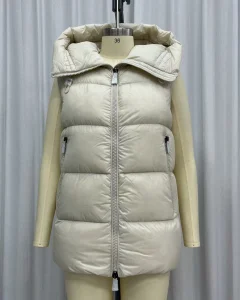
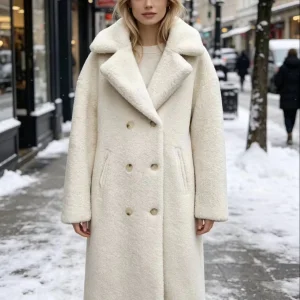
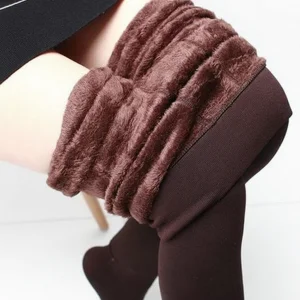
Featured Sourcing Catalog - Phase I
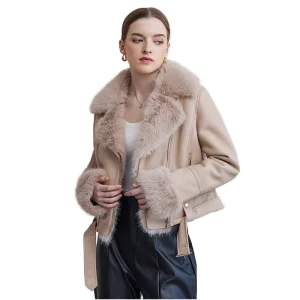
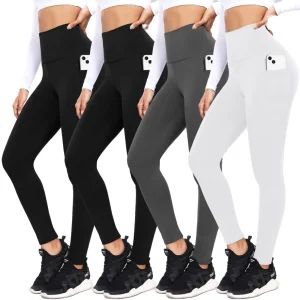
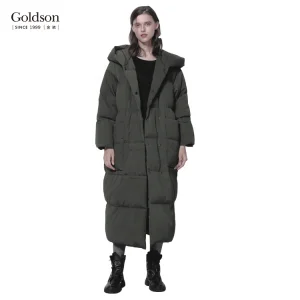
Premium functional base layers, insulating intermediate coats, and weatherproof outerwear engineered for global distribution chains.
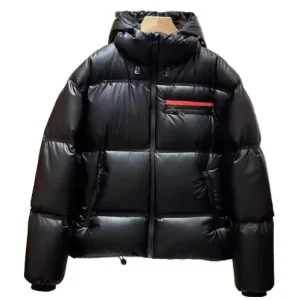
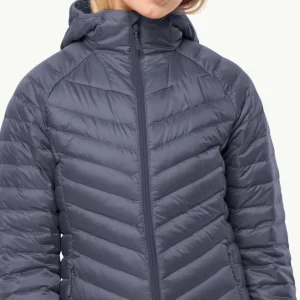
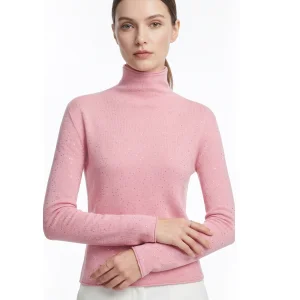
Understanding the Science of Layering: B2B Sourcing Intent
Analyzing thermal efficiency, moisture dynamics, and supply chain scalability for wholesale garment buyers.
In the contemporary B2B apparel market, the demand for women's layering essentials has moved beyond basic aesthetics. Sourcing managers and category directors must navigate the complex interface of material science, environmental regulations, and production logistics. A layering system relies on three distinct elements working in harmony: a next-to-skin moisture-managing base layer, a thermal mid-layer to trap body heat, and a protective outer shell to repel wind and rain. For procurement departments globally, finding a reliable supplier capable of producing garments across these three tiers is critical to maintaining inventory stability.
When sourcing base layers, buyers prioritize fibers like mulberry silk, fine cashmere wool, and technical elastane blends. These materials need high elasticity, anti-static properties, and excellent moisture retention. For mid and outer layers, the focus shifts to insulation metrics, down-fill density, and durable water repellent (DWR) performance. Finding a manufacturer that can deliver on all these fronts requires deep supply chain integration and rigorous testing standards.
Corporate Spotlight: Hebei HyHarmony Fashion Co., Ltd.
Deep vertical integration from raw material sourcing to automated manufacturing and international export compliance.
Hebei HyHarmony Fashion Co., Ltd. is a comprehensive, modern apparel enterprise engaged in clothing development, design, manufacturing, wholesale, domestic trade, international export, and integrated brand operations. Based in Hebei Province, China, the company was established in 2019, building on a foundation of strong production capability and deep industry expertise. Today, the company operates a full-chain garment production infrastructure designed to meet the strict quality standards of the global apparel market.
Since its founding, HyHarmony has focused on creating a seamless supply chain. Their operations cover product planning, fabric sourcing, sample development, mass production, quality control, logistics, and global distribution. By focusing on both fashion trends and functional wear, HyHarmony serves clients across domestic markets and key overseas regions, continuously expanding its global presence.
Guided by the principle of "Quality First, Integrity First", Hebei HyHarmony Fashion Co., Ltd. is committed to delivering high-quality apparel products and professional services. The company manages every production stage, from material selection to final inspection, to ensure consistent product reliability and customer satisfaction. It adheres to the business philosophy of "Integrity, Quality, Efficiency, and Win-Win Cooperation", focusing on building long-term partnerships and sustainable growth with clients and suppliers worldwide.
Production Workflow & Quality Control Pipeline
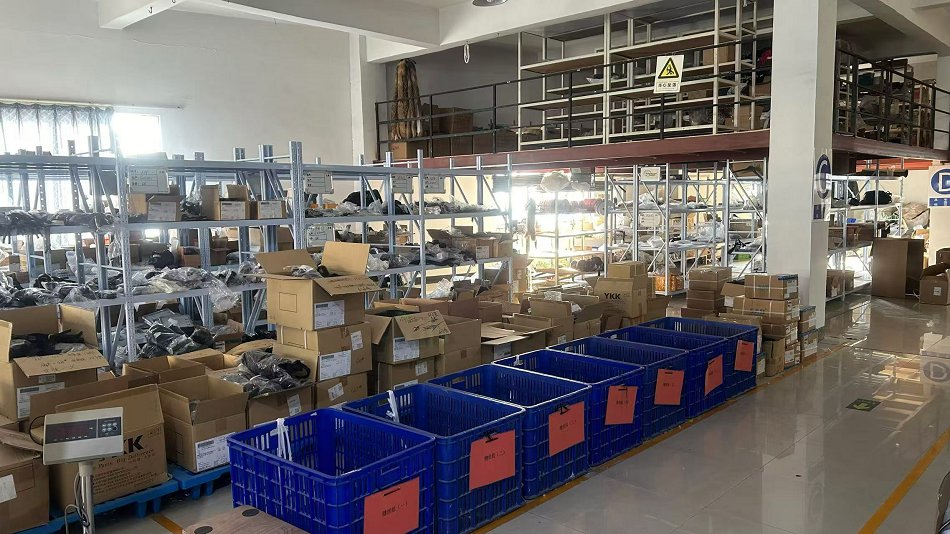
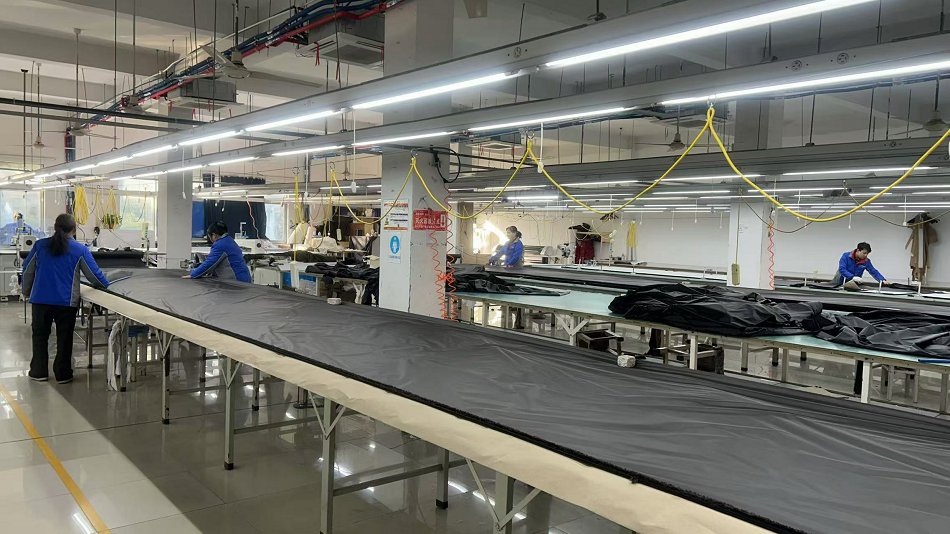
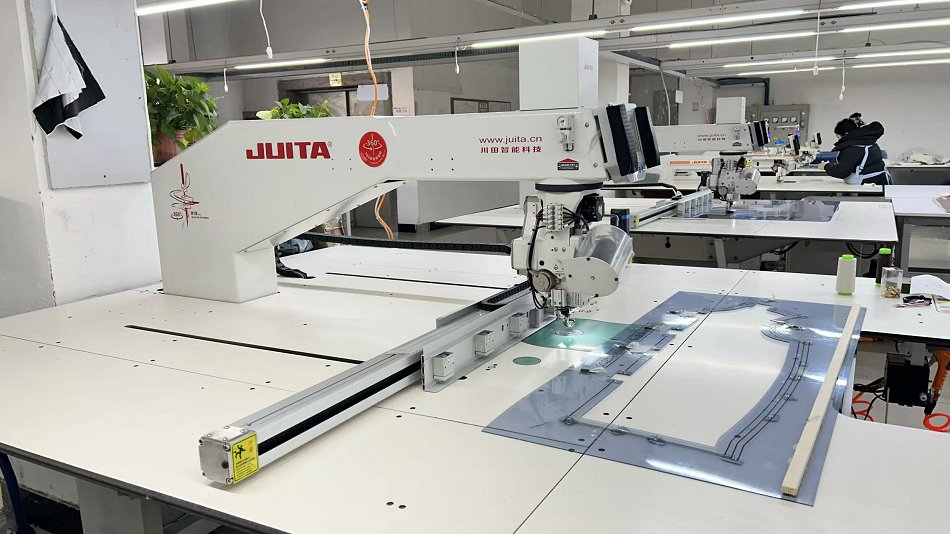
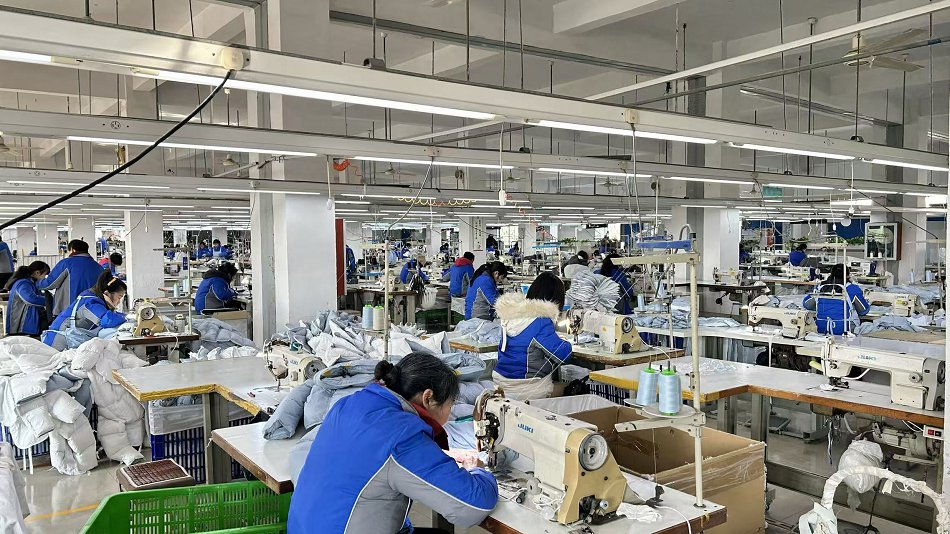
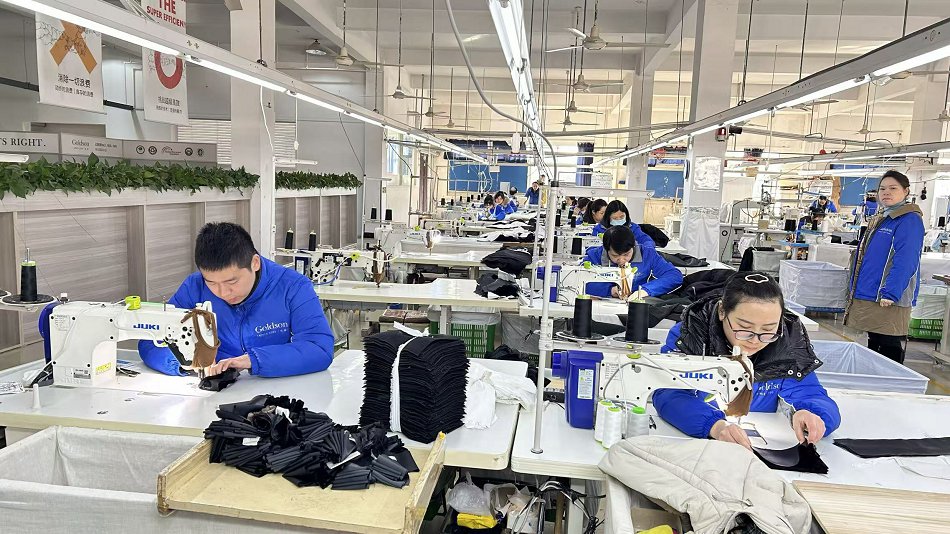
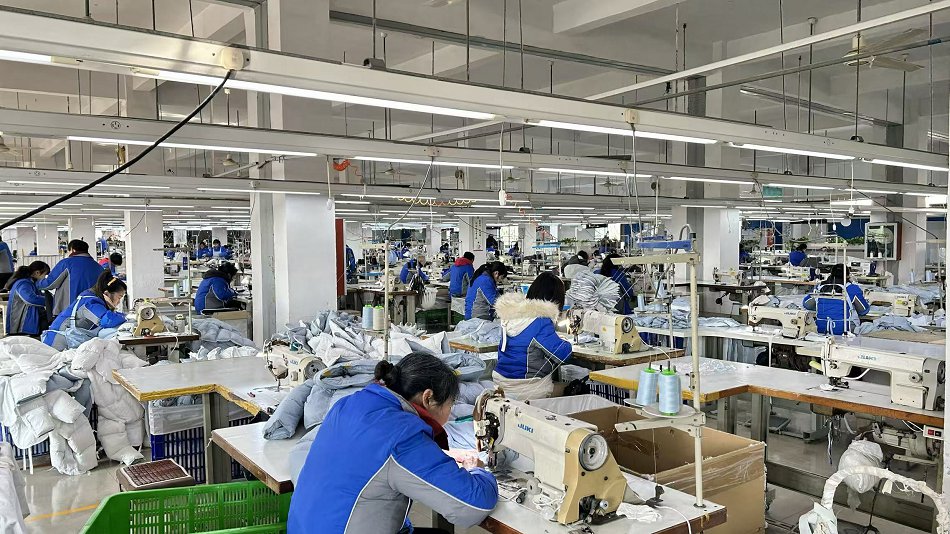
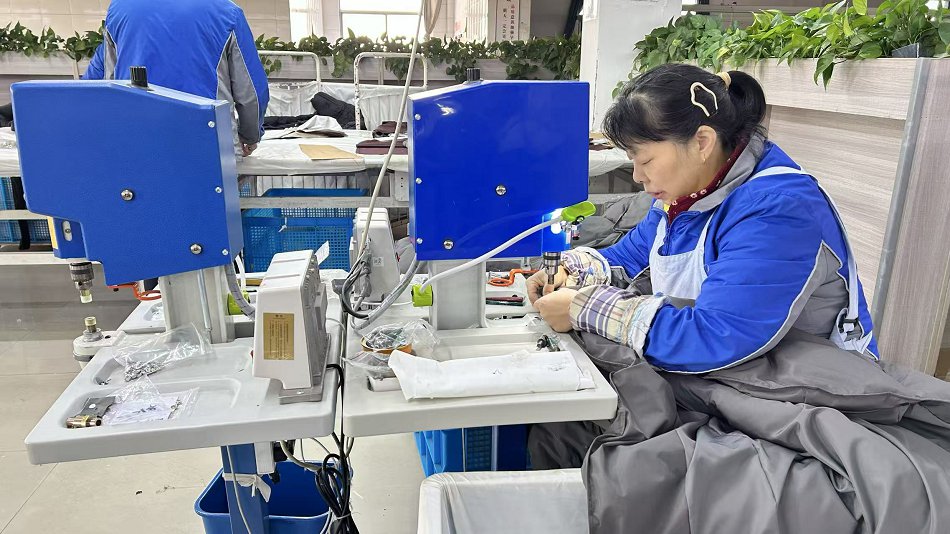
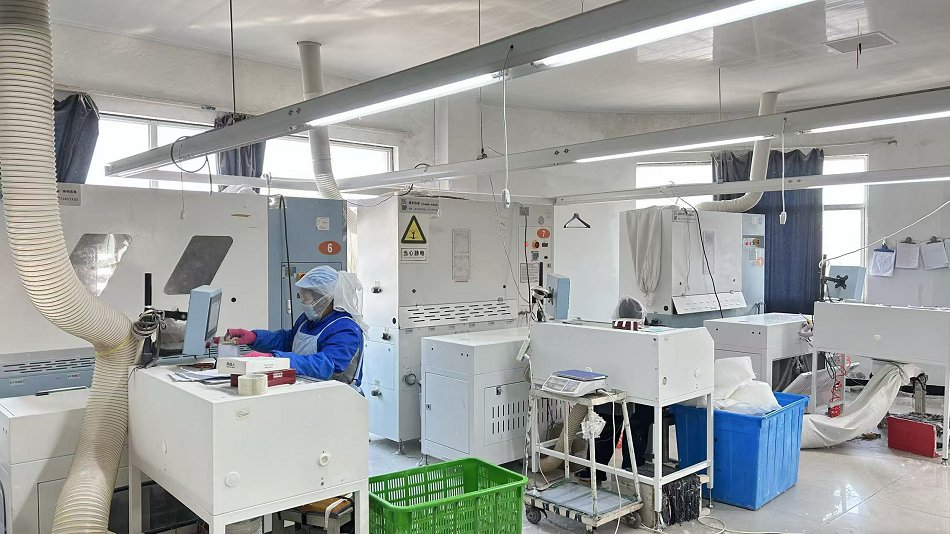
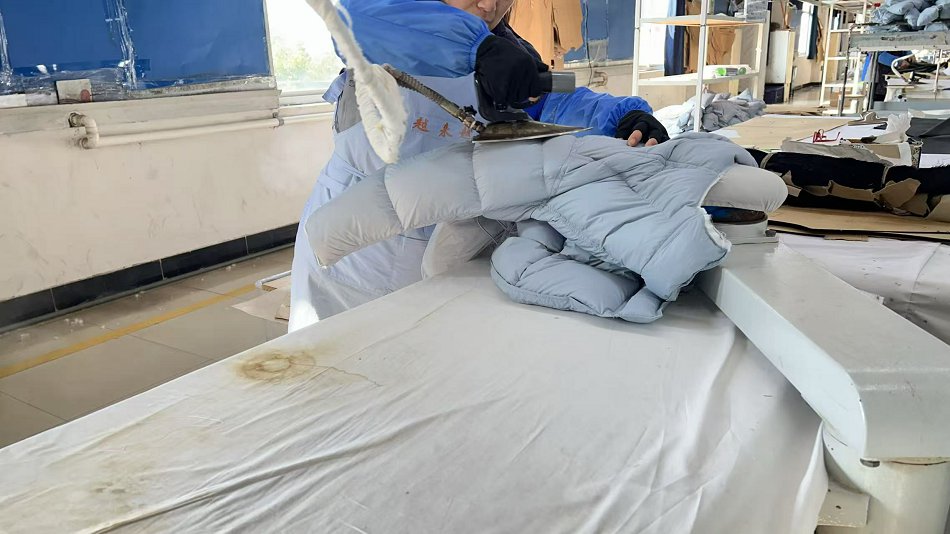
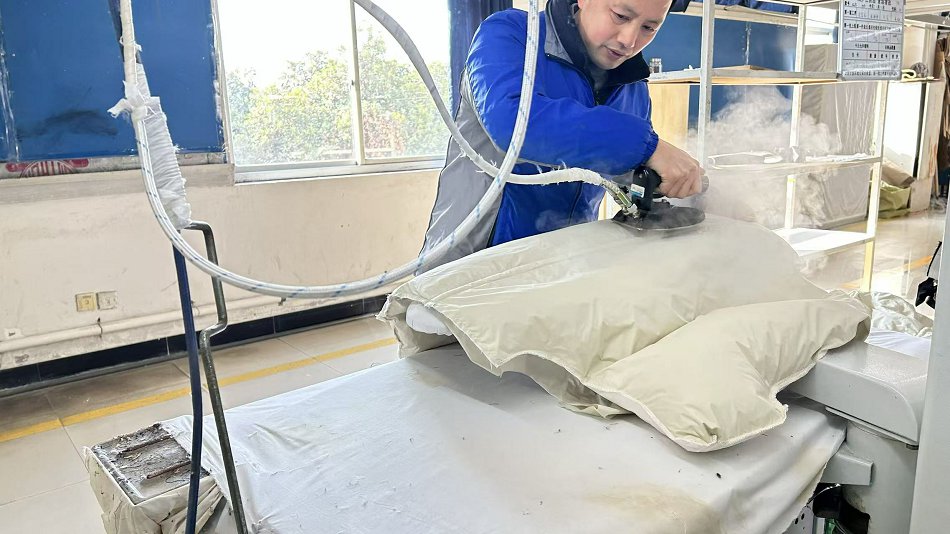
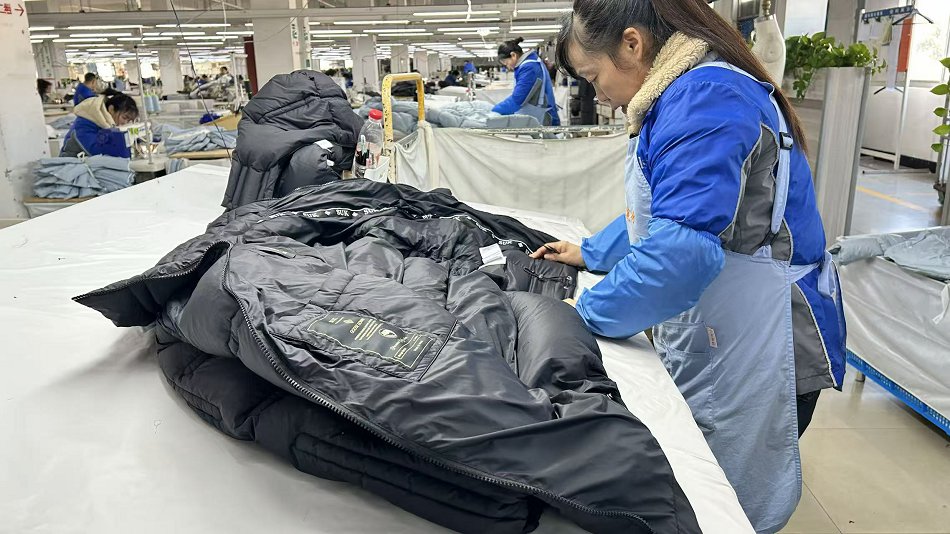
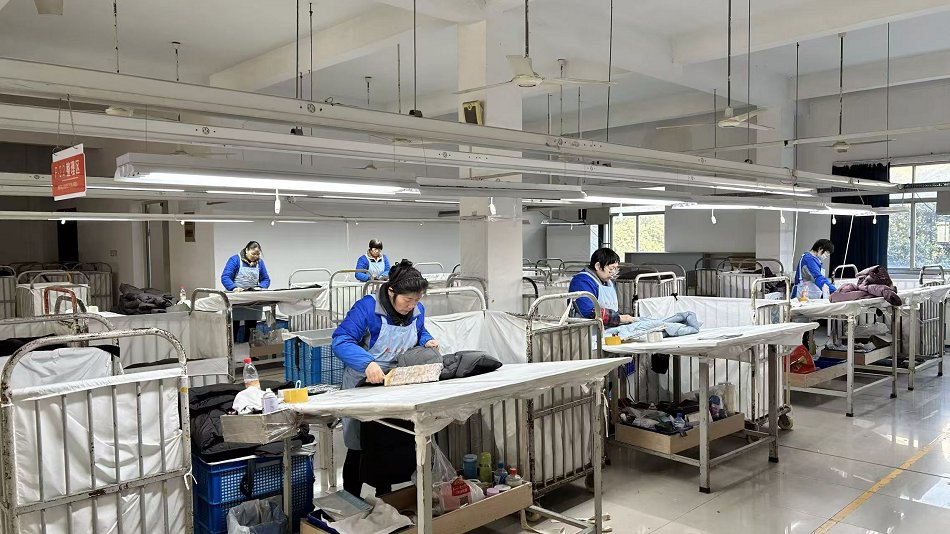
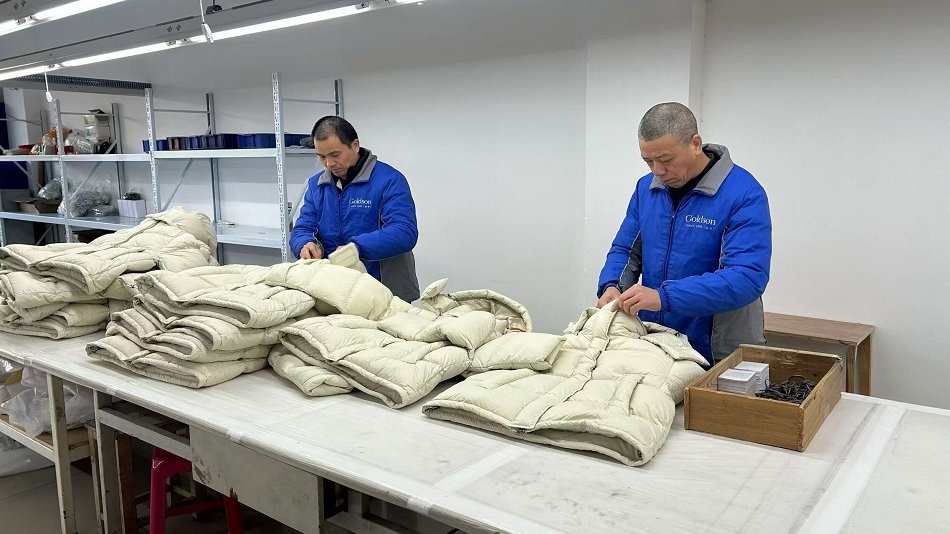
A reliable garment is built on precise, standardized manufacturing. HyHarmony integrates automatic machinery with highly skilled workers to ensure every seam, fill, and stitch meets strict standards. Below is a step-by-step look at their daily production operations:
Why China Leads in Layering Wear Production
An analysis of supply chain integration, technical expertise, and cost-efficiency in Hebei and beyond.
China's dominance in the global apparel manufacturing sector is well known, but its advantages in the layering essentials niche are particularly clear. Producing technical layering wear requires a highly coordinated local supply chain that can provide specialized textiles, machinery, and skilled labor close to one another. Hebei Province, a key northern textile hub, has built a comprehensive industrial cluster that gives manufacturers a distinct competitive edge.
Key advantages include:
- Direct Access to Raw Materials: Local mills supply premium natural fibers like inner Mongolian cashmere and high-grade silk, alongside technical synthetics like spandex, recycled polyester, and nylon.
- Advanced Automation: The use of computerized cutting systems, automatic down-fillers, and smart sewing lines ensures high precision, minimal waste, and consistent quality across large orders.
- Skilled Technical Teams: Experienced pattern makers and engineers translate complex brand tech packs into precise CAD/CAM manufacturing files, maintaining accurate sizing and fit.
- Integrated Logistics: Proximity to major ports like Tianjin allows for streamlined container loading, customs clearance, and fast ocean freight dispatch.
Macro Supply Chain Solutions for Global Brands
Custom OEM/ODM workflows designed to minimize risks, lower overheads, and streamline replenishment cycles.
For large retail brands, multi-channel distributors, and e-commerce labels, sourcing clothing involves balancing cost, quality, and lead times. HyHarmony Fashion provides customized manufacturing solutions to address these operational needs, ensuring smooth integration with our clients' supply chains.
Our OEM/ODM Workflow
- Design Consultation & Tech Pack Review: Our design teams work with clients to evaluate fabric specifications, hardware details, and sizing metrics.
- Fabric Sourcing & Laboratory Testing: We run tests for colorfastness, shrinkage, and thermal performance to ensure the materials meet all specifications.
- Prototyping & Sample Iterations: We create physical samples for fit evaluation, adjusting the patterns before starting mass production.
- Monitored Mass Production: Our automated equipment handles cutting, sewing, and filling to ensure high-precision consistency.
- Multi-tier Quality Inspection: We perform inline checkups and final pre-shipment inspections using standardized AQL 2.5 protocols.
- Custom Packaging & Logistics: We handle everything from custom branding and tags to final container loading for worldwide shipping.
Market Insights & Geographic Preferences
How regional climates, regulatory policies, and consumer habits shape layering wear procurement.
Consumer preferences for layering essentials vary significantly by region. B2B buyers must align their product choices with local weather patterns, size guides, and regulatory requirements in their target markets.
North America
Focuses on versatile designs that cross over between activewear and everyday style. Key demands include high-stretch fabrics, fleece-lined leggings, and durable, water-resistant outerwear suitable for diverse climates.
European Union
Driven by strict environmental and safety regulations. Sourcing managers prioritize OEKO-TEX certified cottons, GRS-compliant recycled polyesters, and clean finishes with simple, minimal branding.
Asia-Pacific
Demands lightweight, highly breathable base layers and slim-fit silhouettes. Soft feel is key, with wool blends and thermal silks performing strongly in metropolitan areas.
Procurement Q&A: Core Sourcing Answers
Providing direct answers to technical questions about MOQs, logistics, customization, and lead times.
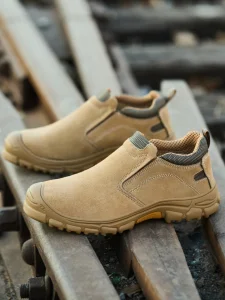
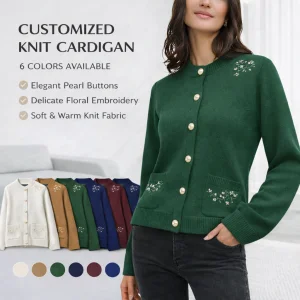
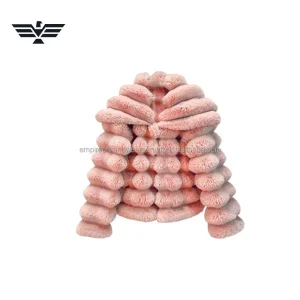
Featured Sourcing Catalog - Phase II
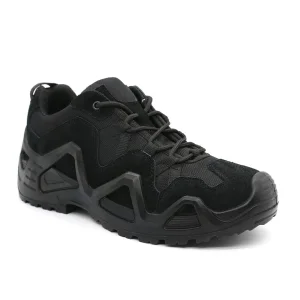
Premium functional layers, knitwear, and safety footwear solutions ready for bulk import.