Executive Summary: The Outerwear Sourcing Shift
Analyzing the macroeconomic variables, quality systems, and distribution logistics driving the global women's fashion coats market.
In the fast-evolving landscape of global textile sourcing, finding reliable, high-performing partners for Women's Fashion Coats remains a top priority for premium brands, retail giants, and direct-to-consumer labels. Unlike basic sportswear or knitwear, heavy outerwear commands specialized manufacturing competencies, advanced sewing templates, and a deep understanding of premium textile processing, including wool, cashmere, and high-tech synthetic fills. This industry whitepaper explores the critical capabilities of top-tier apparel manufacturers, focusing on operational parameters, quality control procedures, and market adaptation strategies.
Modern procurement directors require more than just low-cost labor. The priority has shifted toward supply chain resilience, design-to-delivery speed, strict environmental compliance (such as GRS, OEKO-TEX Standard 100, and RDS), and modern manufacturing automation. As we analyze the top 10 exporters and factories, we focus on the integration of these high-value capabilities within China's primary textile clusters, showcasing Hebei HyHarmony Fashion Co., Ltd. as an industry-standard archetype of efficiency and innovation.
Featured Winter Collection: Part I
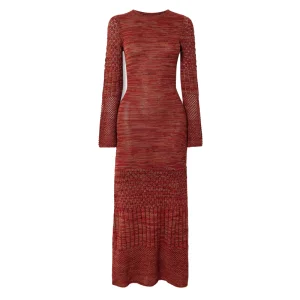
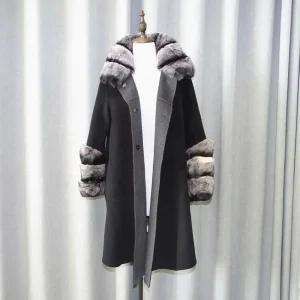
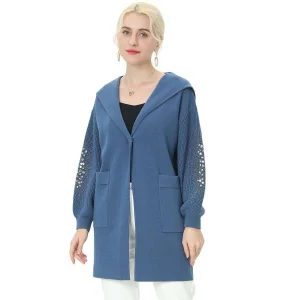
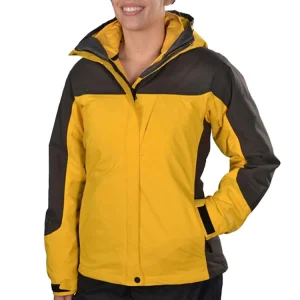
Explore our top-tier outerwear items, showcasing precision manufacturing, high-density fills, and luxury wool-blend finishes.

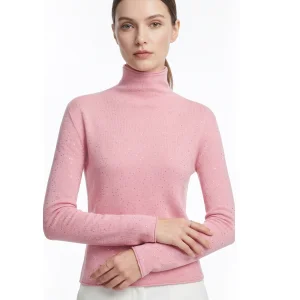
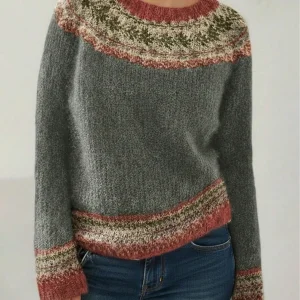
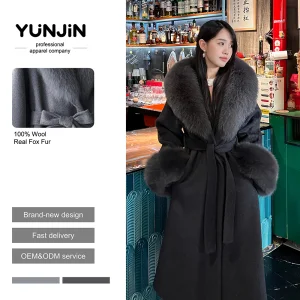
Why Global Brands Settle in China's Outerwear Hubs
An overview of regional specialization, raw material supply chains, and technological infrastructure.
Vertically Integrated Supply Networks
Northern China, particularly Hebei and adjacent provinces, hosts an integrated cluster for raw wool and cashmere processing. This physical proximity to livestock and yarn mills minimizes transit times, lowers logistics costs, and maintains structural fiber integrity for double-faced hand-sewn garments.
Advanced Industrial Automation
Chinese coat factories utilize computerized CAD layout systems, high-precision laser cutters, and automatic down-filling systems. This technology guarantees dimensional accuracy, limits material waste, and maintains structural consistency across large production runs.
Strict Compliance & ESG Standards
Top-tier factories operate with ISO9001 quality systems and complete regular audits under BSCI, WRAP, and Sedex. Their focus on supply chain transparency helps global brands satisfy strict international customs and eco-labelling standards.
Hebei HyHarmony Fashion Co., Ltd. - An Industry Benchmark
A detailed case study of a modern garment manufacturer driving quality and service in global markets.
Hebei HyHarmony Fashion Co., Ltd. is a comprehensive modern apparel enterprise engaged in clothing development, design, manufacturing, wholesale, domestic trade, international export, and integrated brand operations. The company is located in Hebei Province, China, and was established in 2019, building on a foundation of strong production capability and industry expertise.
Since its establishment, the company has developed into a full-chain garment enterprise covering product planning, fabric sourcing, sample development, mass production, quality control, logistics coordination, and global distribution. With a focus on both fashion trends and functional wear, HyHarmony Fashion serves clients across domestic markets as well as overseas regions, continuously expanding its global footprint. Guided by the principle of “Quality First, Integrity First”, Hebei HyHarmony Fashion Co., Ltd. is committed to delivering high-quality apparel products and professional services. The company strictly manages every production stage, from material selection to final inspection, ensuring consistent product reliability and customer satisfaction.
It adheres to the business philosophy of “Integrity, Quality, Efficiency, and Win-Win Cooperation”, emphasizing long-term partnerships and sustainable development with clients and suppliers worldwide. The company has established a strong operational system supported by experienced design and technical teams, advanced garment production equipment, strict multi-level quality inspection processes, efficient supply chain and logistics coordination, and comprehensive customer service and after-sales support.
Macro-Industry Solutions for Global Procurement
Navigating complex international markets, tariffs, and supply chain bottlenecks with agile systems.
Challenges Faced by Outerwear Buyers
1. Material Authenticity: Verifying true fiber blend ratios (wool/cashmere vs. synthetics) is essential for premium retail placement.
2. Seasonal Lead-Time Compression: Overcoats have a tight retail window. Late shipments lead to missed sales and heavy discounting.
3. Compliance Risks: Environmental regulations in Europe and North America demand transparent chemical usage during dyeing and finishing.
Strategic Solutions & Best Practices
1. Third-Party Verification: Top factories offer certified lab tests (SGS, Intertek) verifying composition and tensile strength prior to loading.
2. Flexible Production Routing: Top exporters use semi-automated production lines to handle small-batch styles alongside high-volume orders.
3. Integrated Logistics: Modern facilities coordinate customs clearance and direct-to-port routing, lowering delivery times by up to 25%.
Trends Reshaping the Outerwear Industry
How consumer preferences and technology are altering fabrication, styling, and design cycles.
Performance & Hybridization
Modern consumers demand fashion-forward aesthetic styling paired with performance capabilities. We see growing demand for waterproof wool treatments, 3-in-1 modular parkas, and windproof linings in traditional trench styles.
Eco-Responsibility & GRS
Global brands are incorporating recycled wool, biodegradable buttons, and cruelty-free trims. Factories prioritizing Global Recycled Standard (GRS) processes gain a strong advantage in European and North American markets.
3D Digital Prototyping
Using 3D CAD modeling reduces physical fabric sampling stages by 70%. Brands can verify draping, fit, and pattern placement virtually, cutting lead times and raw fabric waste.
Localized Sourcing Scenarios
Adapting material weights, styles, and sizes to fit regional consumer profiles.
North America
Focuses on functional insulation, wind resistance, and generous fits. The market demands heavy-density down fills, winter-insulated parkas, and double-faced wool trench coats designed for urban commuting.
Western Europe
Prefers minimalist, premium-blend, unlined cashmere-blend garments. Standard requirements include hand-stitched double-faced seams, sustainable trims, and classic color palettes (camel, navy, charcoal).
East Asia & Nordics
Prefers oversized styles, drop shoulders, and lightweight warmth. Sourcing focuses on light-density premium wool, cashmere overcoats, and stylish hybrid knit-down jackets.
Factory Interactive Tour & Quality Steps
Visualizing the manufacturing process and quality checks at Hebei HyHarmony Fashion Co., Ltd.
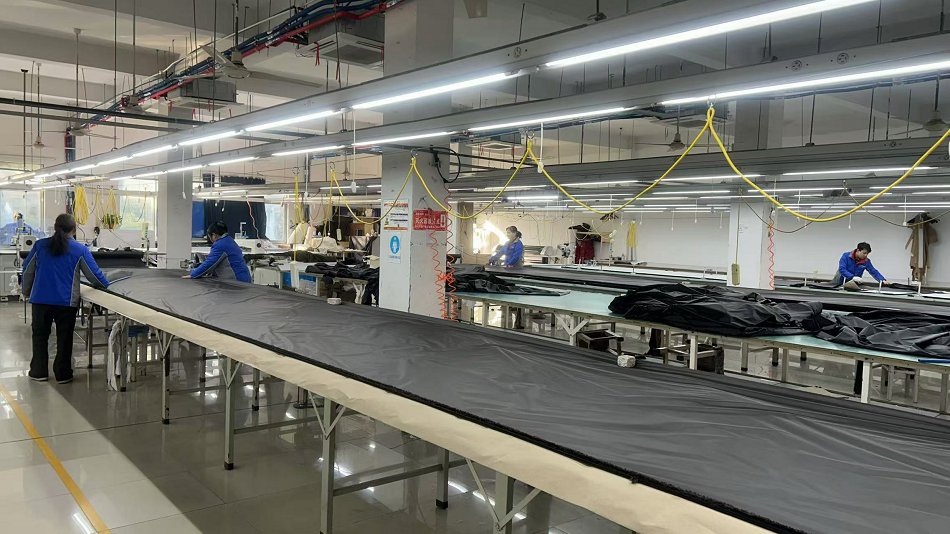
Precision laser and automatic blade cutting systems.
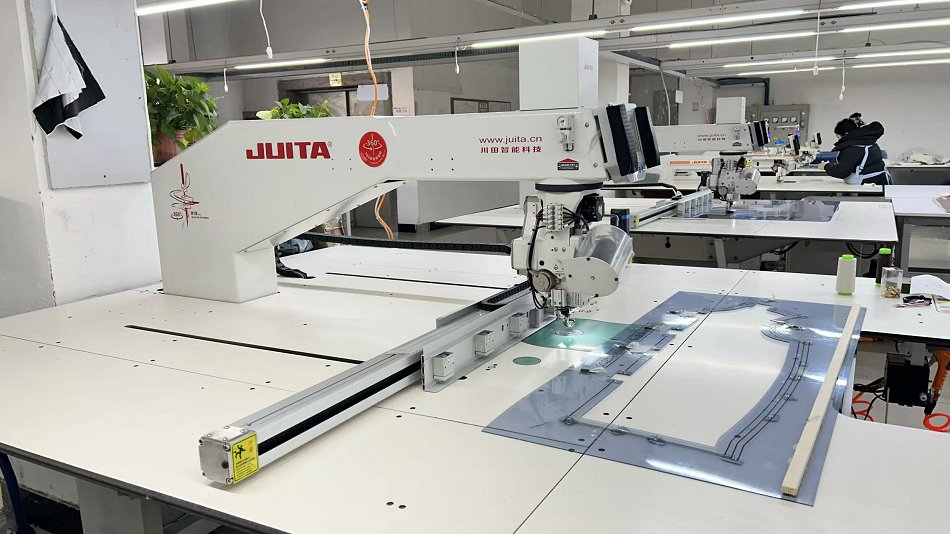
Consistent panel sewing using computer-controlled templates.
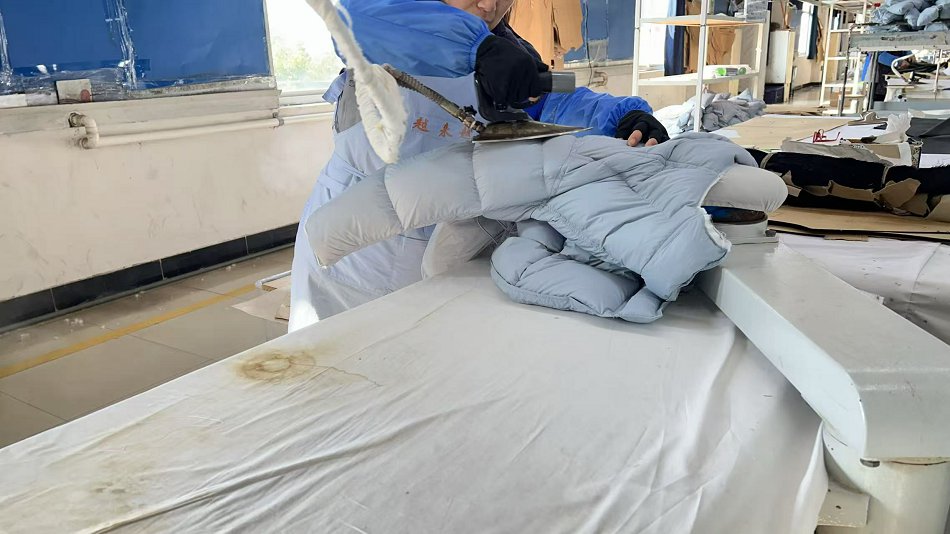
Intermediate pressing to shape garment elements.
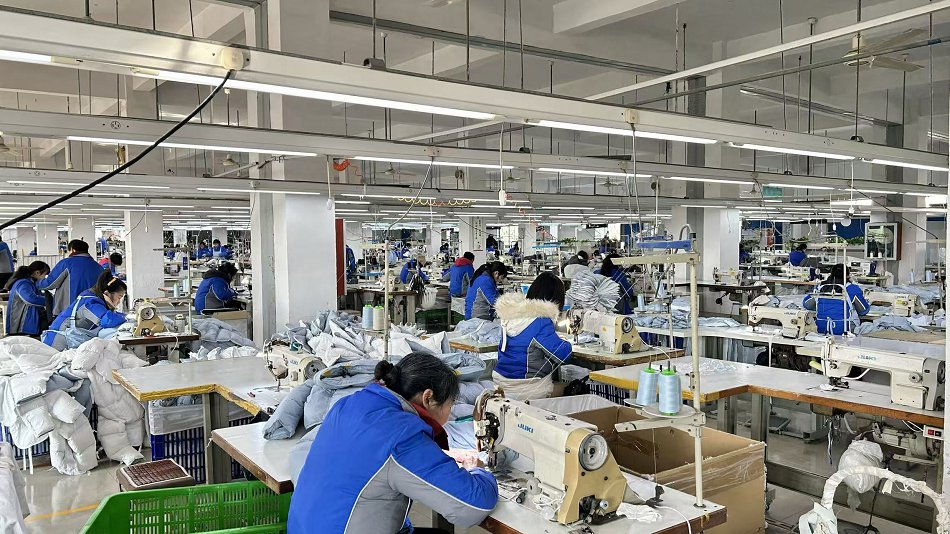
Experienced seamstresses assembling structural seams.
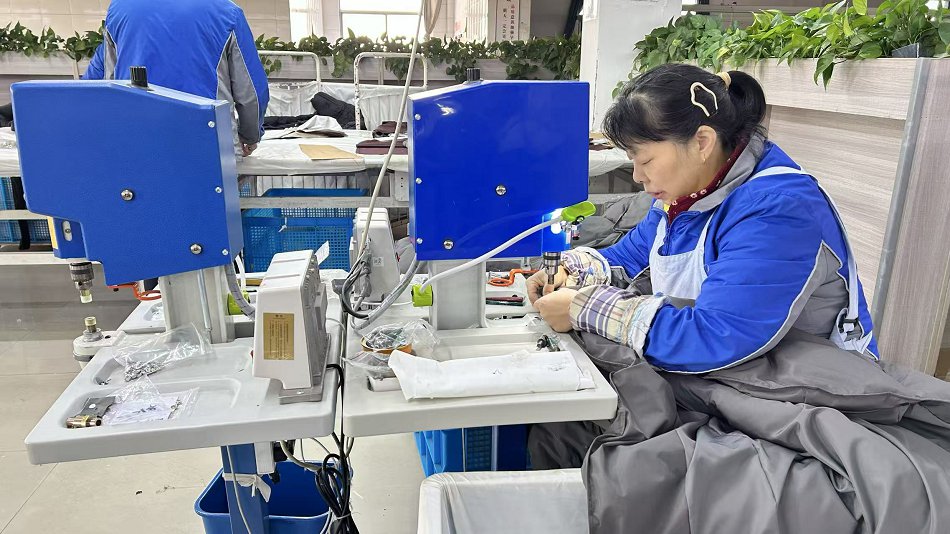
Reinforced stitching for fasteners and metal closures.
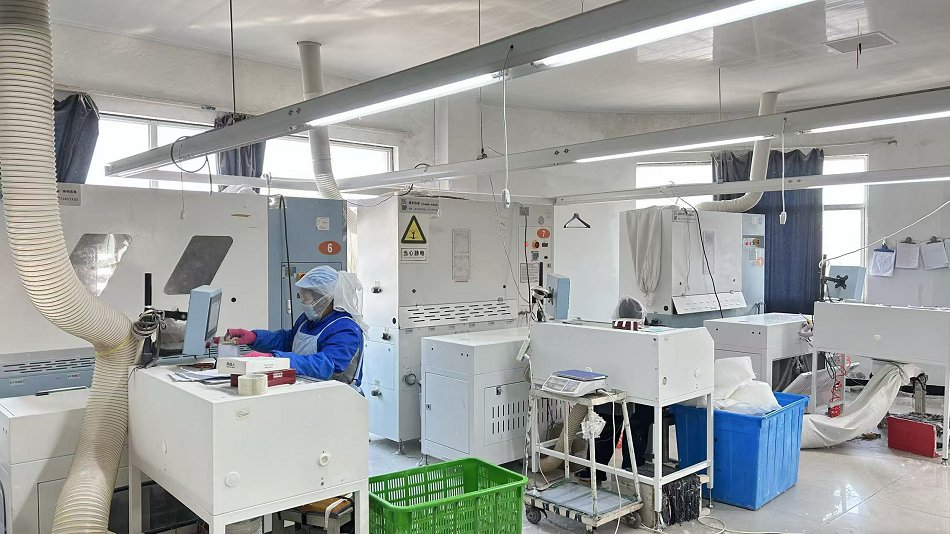
Clean, automated chambers for even down distribution.
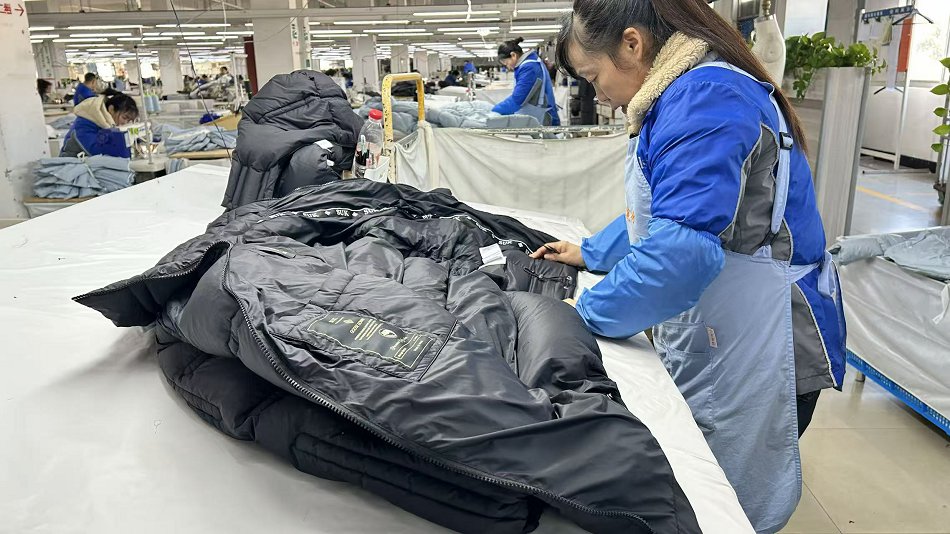
Multiple quality checks at key points during production.
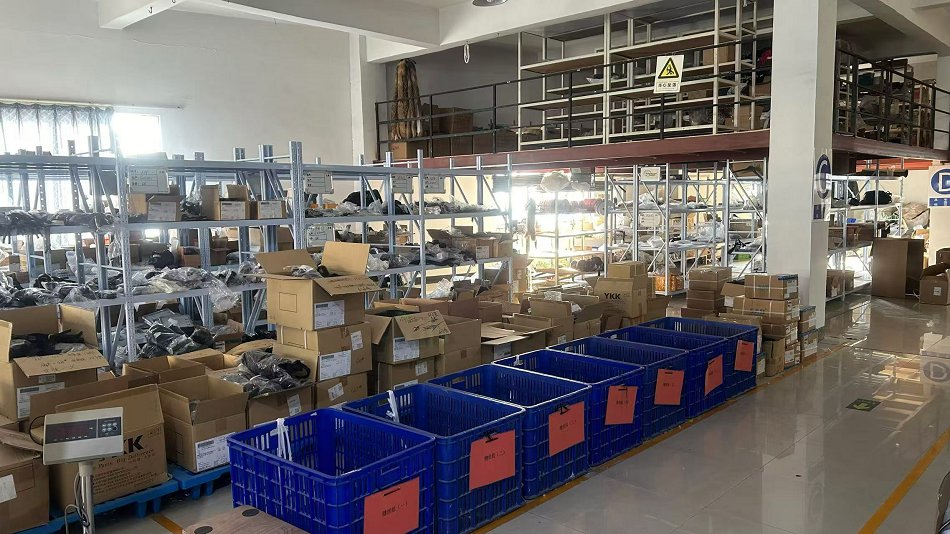
Checking incoming yarns, fabrics, and accessories.
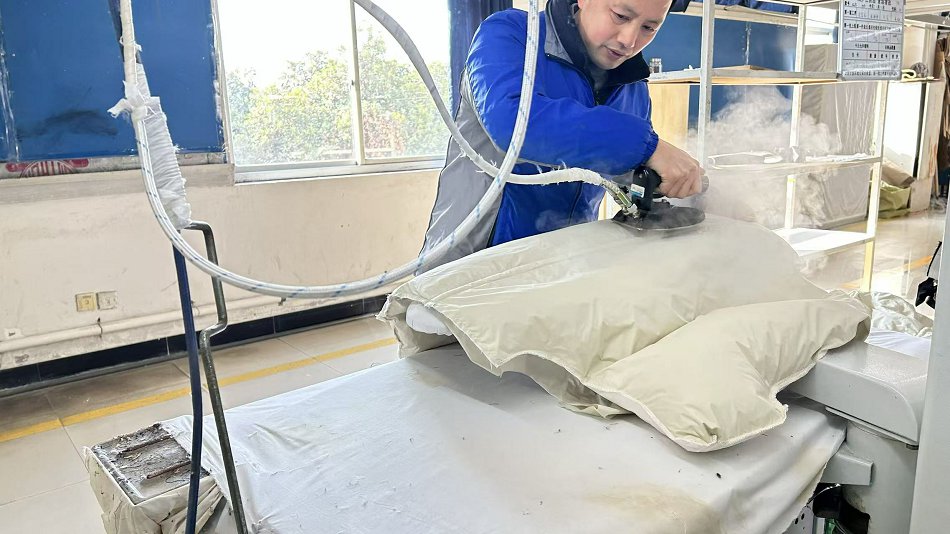
Final pressing to ensure clean shape and hand-feel.
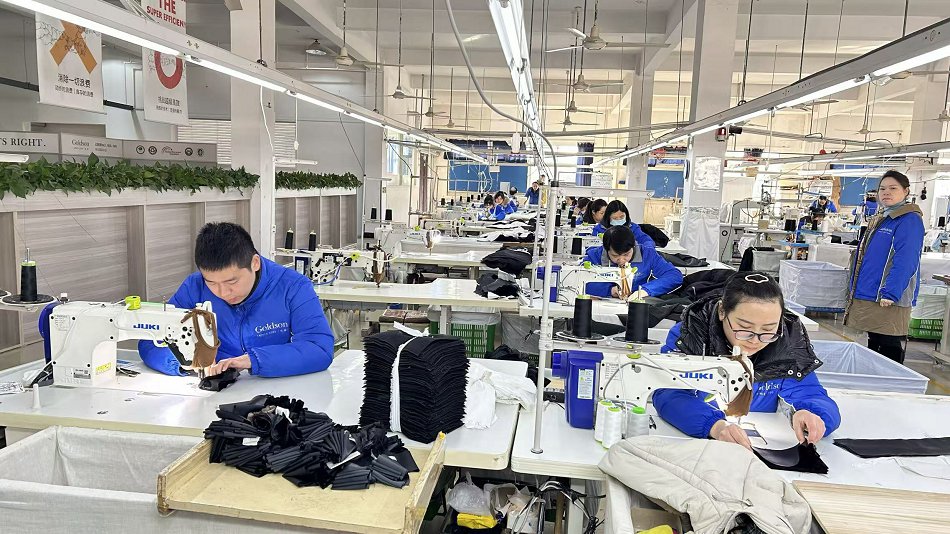
Specialized machines handle complex details.
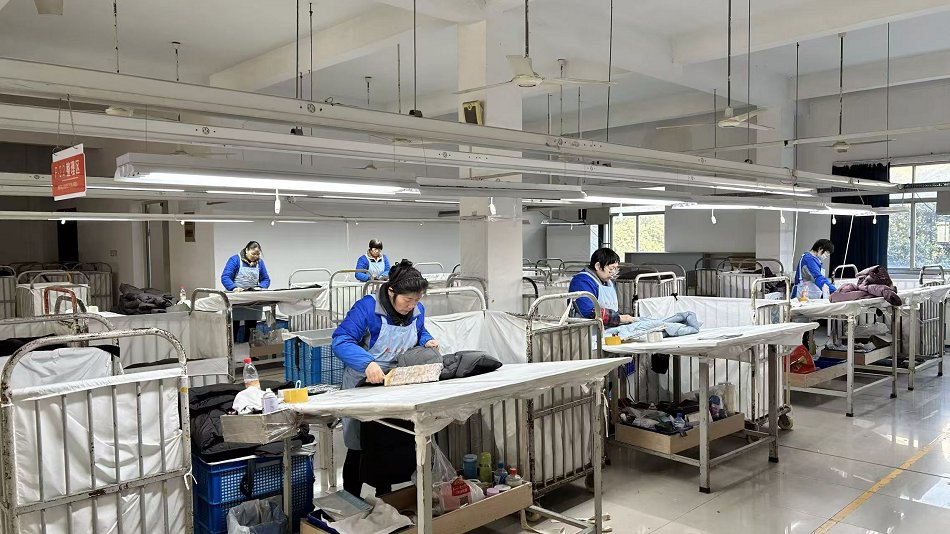
Pre-packaging checks for loose threads and dimensions.
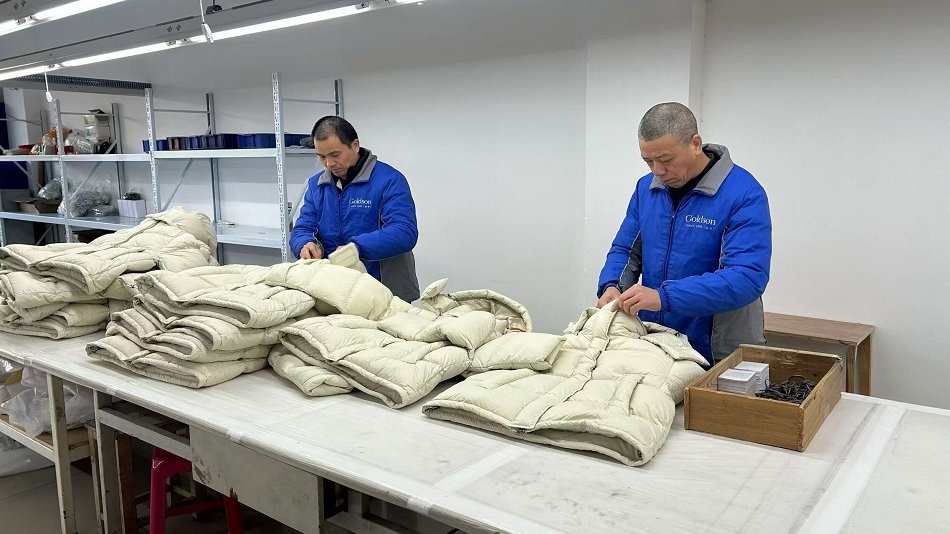
Moisture-controlled cartons prepared for international transport.
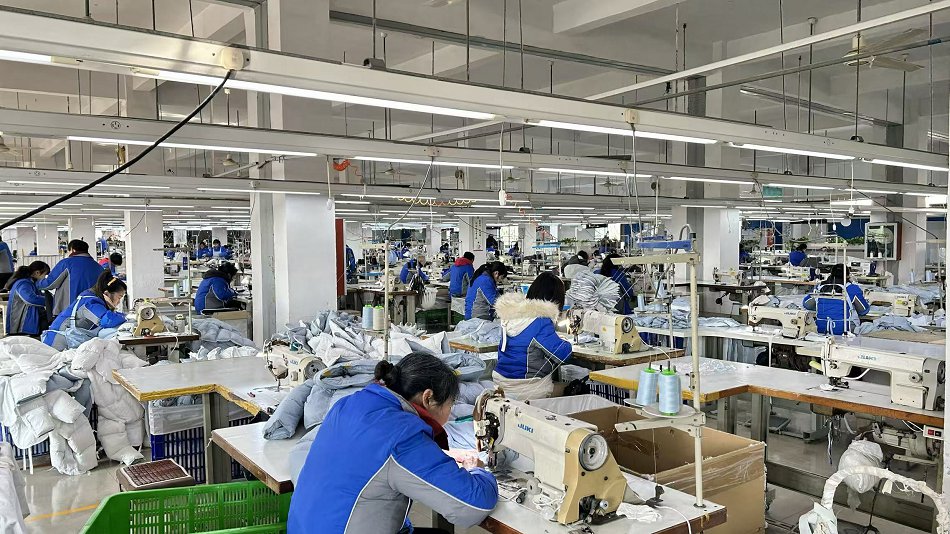
High-speed stitchers designed for thick, multi-layered outerwear materials.
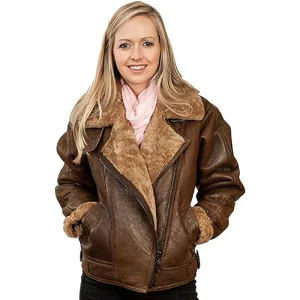
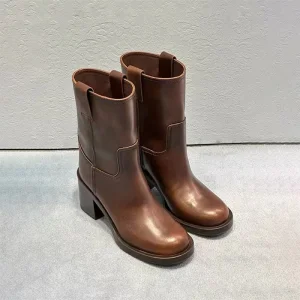
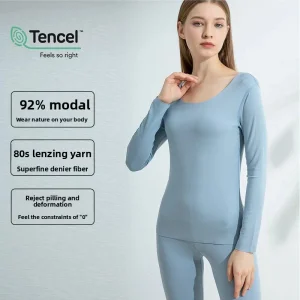
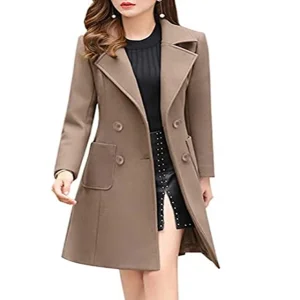
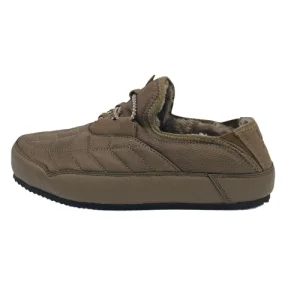
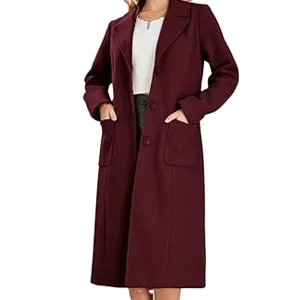
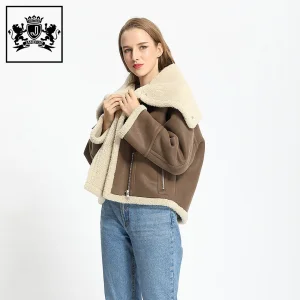
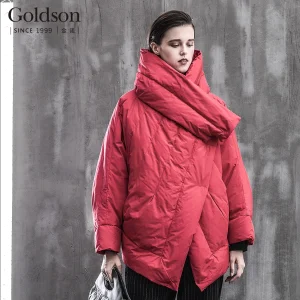
Featured Winter Collection: Part II
Explore our top-tier outerwear items, showcasing precision manufacturing, high-density fills, and luxury wool-blend finishes.
Frequently Asked Questions
Answers to common B2B procurement, compliance, and custom manufacturing inquiries.