Curated Outerwear Styles for Toronto Retailers
Premium blend fabrics engineered for severe winters and cosmopolitan aesthetics.
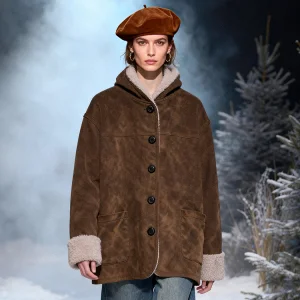
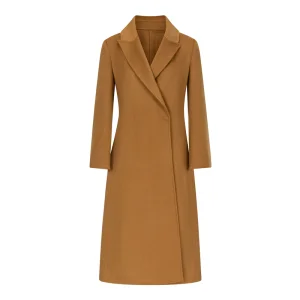
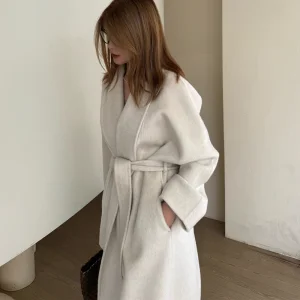
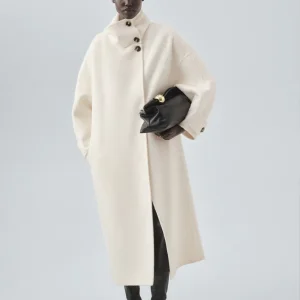
Toronto Outerwear Landscape: The B2B Procurement Paradigm
The city of Toronto, Canada's premier economic and fashion powerhouse, commands a unique position in the global apparel supply chain. Positioned in a humid continental zone characterized by biting winter winds and sudden temperature drops, the requirement for premium, protective outerwear is not merely stylistic but essential for daily survival. Brands and designers targeting the Toronto retail demographic—ranging from the high-end boutiques of the Bloor-Yorkville corridor to contemporary flagships in the downtown core—are continuously searching for wool and cashmere overcoats that balance high-level thermoregulation with structural elegance.
For procurement directors and fashion buyers based in Canada, sourcing premium materials directly from top-tier Asian manufacturing corridors has transitioned from a simple cost-saving exercise to a highly strategic operation. Key concerns such as thermal efficiency ratios, fabric micron classifications, eco-compliant supply chains, and low minimum order quantities (MOQs) form the cornerstone of every negotiation. Modern consumers in Ontario expect their investments to offer longevity, sustainable raw material sourcing, and exceptional tailored finishes. This requires an experienced manufacturer capable of navigating these complex technical benchmarks.
Understanding the Toronto Consumer Profile & Climate Needs
Toronto's long winter seasons require coats that perform effectively within a temperature span of 5°C down to -15°C (and lower when factoring in wind chill off Lake Ontario). The urban landscape dictates a transition between temperature-controlled transit environments and exposure to freezing outdoor winds. Standard synthetic blends often fail to provide the breathability required for these quick transitions, leading to customer dissatisfaction.
- The Weight-to-Warmth Ratio: Standard coats rely on bulky fills, whereas modern urban professionals prefer streamlined silhouettes. Combining Australian virgin wool with Grade-A cashmere offers lightweight insulation by trapping micro-air pockets within the hollow fibers.
- Drape and Structural Integrity: Due to wet snow and high humidity levels, wool coats must resist water spotting and structural sagging. Pressing techniques and high-twist yarns ensure the coat retains its tailored lines over years of wear.
- Sustainable Sourcing: The Canadian consumer places a high premium on ethical practices. Brands must verify their supply chains carry certifications like the Responsible Wool Standard (RWS) and sustainable processing documentation.
Technical Roadmap: Material Specifications & Double-Face Sewing
The manufacturing process of high-end overcoats begins with selecting premium fiber grades. Cashmere harvested from Inner Mongolia is known for its fine diameter (ranging from 15 to 16.5 microns) and long staple length, providing a smooth finish that resists pilling. Virgin wool is carefully blended with this cashmere to improve tensile strength and structural body.
The hallmark of premium manufacturing is the Double-Face Hand-Stitching Technique. Utilizing advanced machinery, two layers of fabric are woven together and split at the edges. Our master tailors then hand-sew these raw margins inward at a density of 11 to 13 stitches per inch. This creates a reversible, seamless garment with no visible raw seams. The result is a lightweight coat that offers double the warmth of a standard single-layer lining while maintaining drape and flexibility.
Hebei HyHarmony Fashion Co., Ltd.
A comprehensive modern apparel enterprise engaged in clothing development, design, manufacturing, wholesale, domestic trade, international export, and integrated brand operations. Located in Hebei Province, China, and established in 2019, building on a foundation of strong production capability and industry expertise.
Since our establishment, we have developed into a full-chain garment enterprise covering product planning, fabric sourcing, sample development, mass production, quality control, logistics coordination, and global distribution. With a focus on both fashion trends and functional wear, HyHarmony Fashion serves clients across domestic markets as well as overseas regions, continuously expanding its global footprint.
Guided by the principle of “Quality First, Integrity First”, Hebei HyHarmony Fashion Co., Ltd. is committed to delivering high-quality apparel products and professional services. The company strictly manages every production stage, from material selection to final inspection, ensuring consistent product reliability and customer satisfaction.
We adhere to the business philosophy of “Integrity, Quality, Efficiency, and Win-Win Cooperation”, emphasizing long-term partnerships and sustainable development with clients and suppliers worldwide.
China Factory 4.0: Manufacturing Excellence & Supply Chain Resilience
Take a look inside our modern manufacturing facilities, where advanced machinery meets traditional handcrafting techniques.
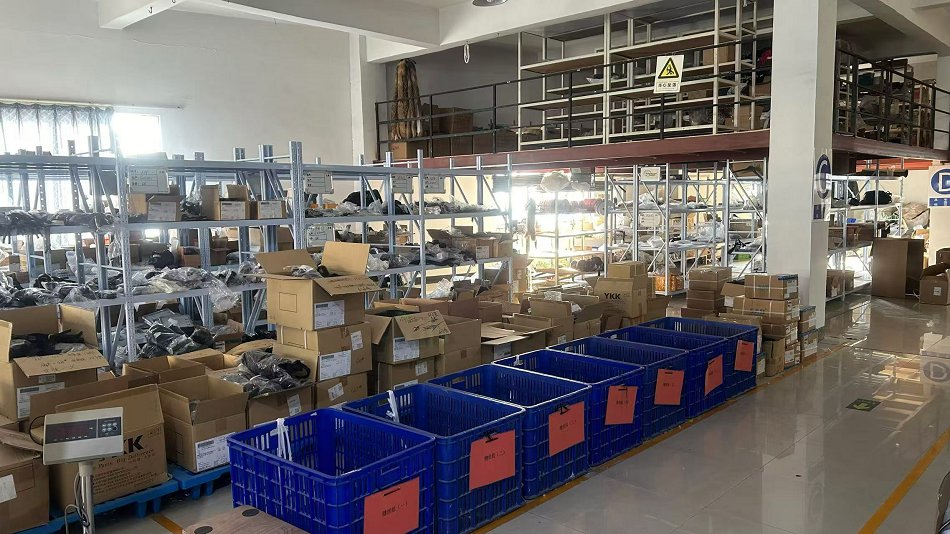
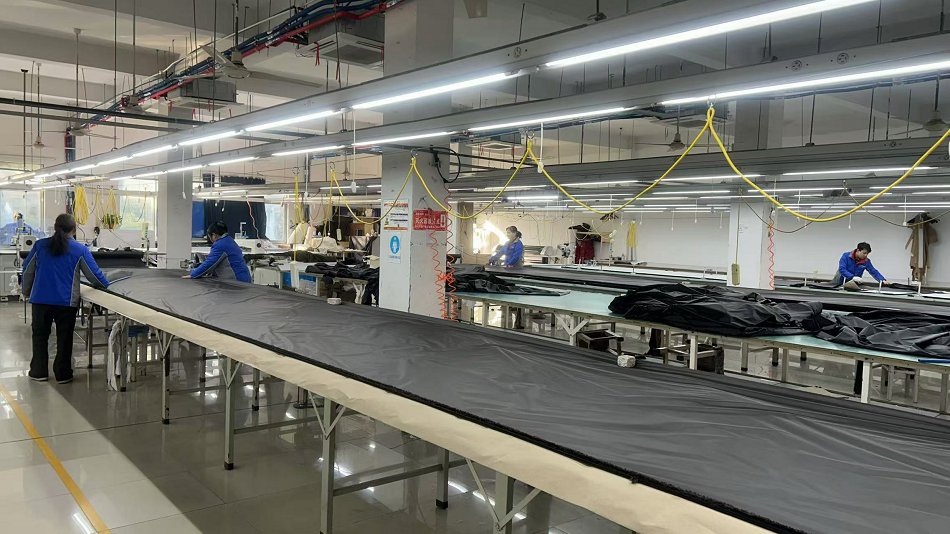
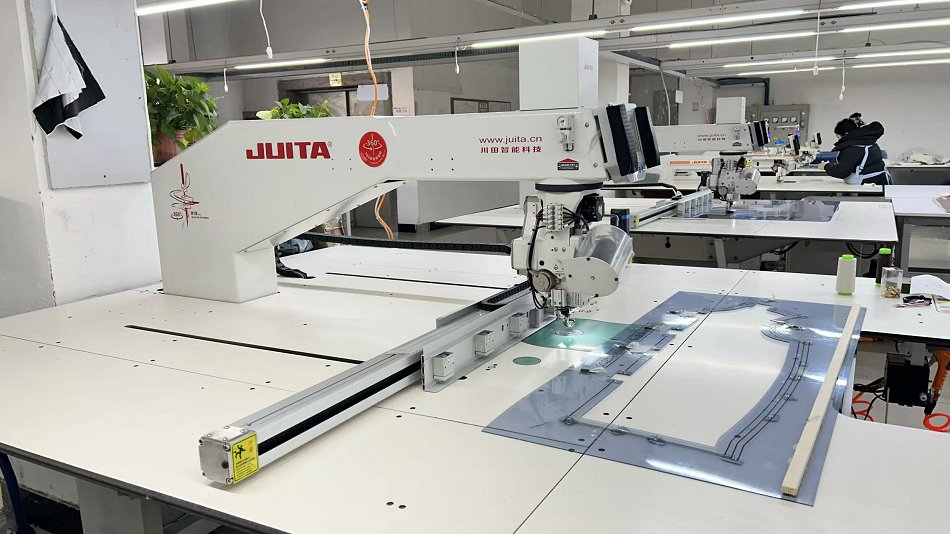
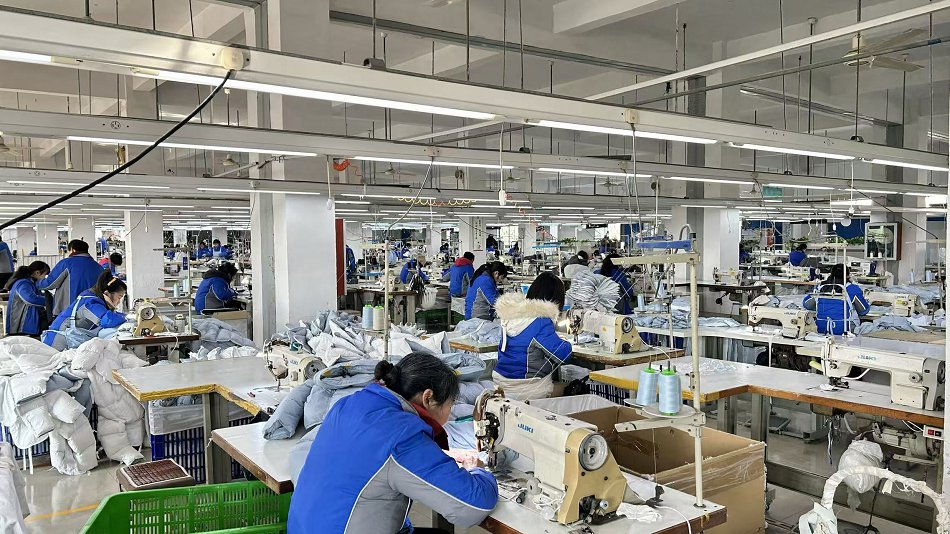
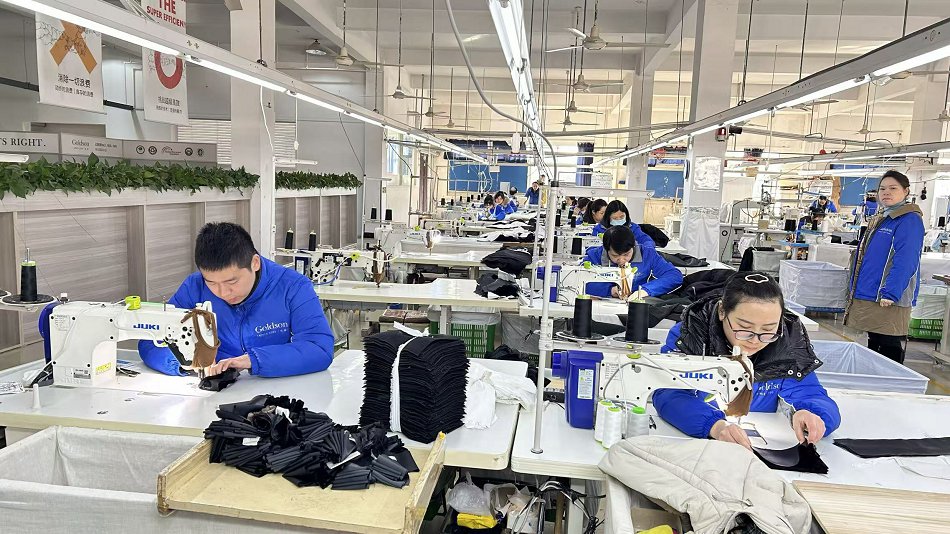
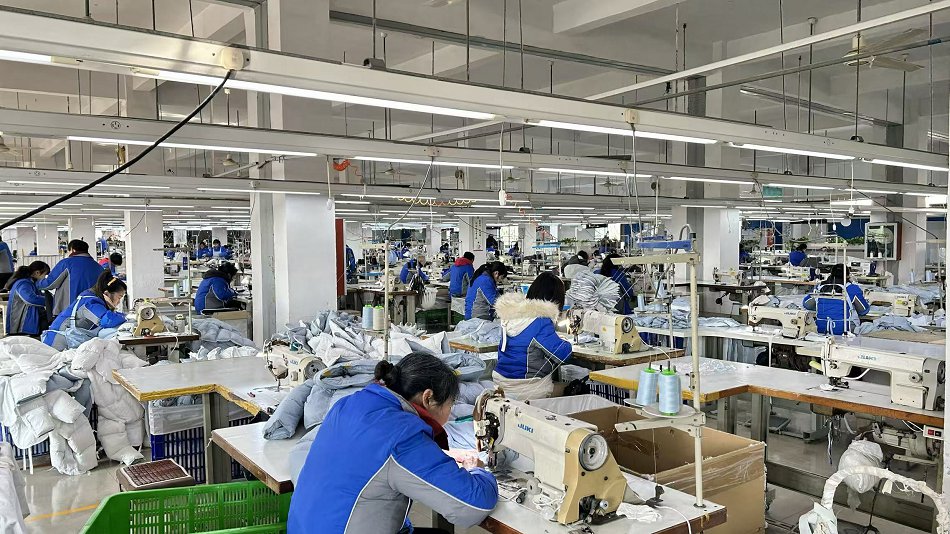
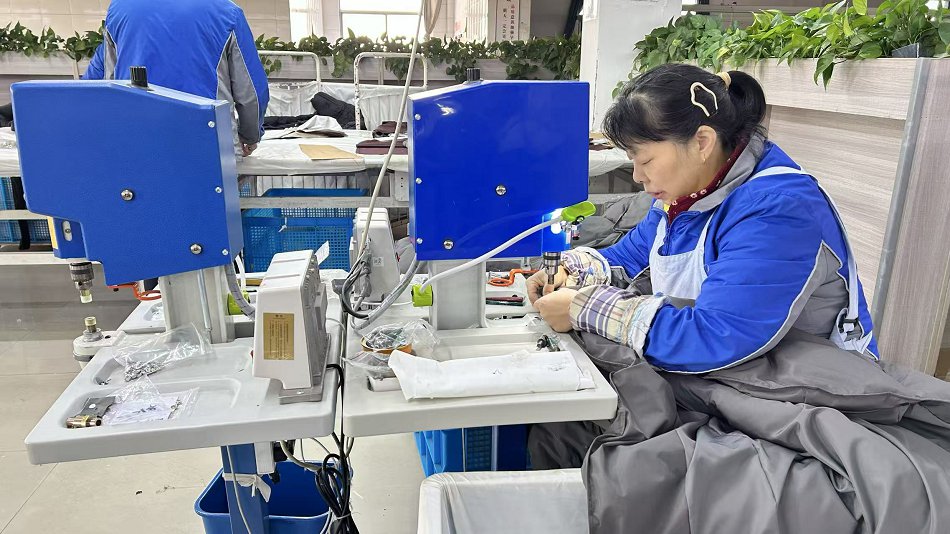
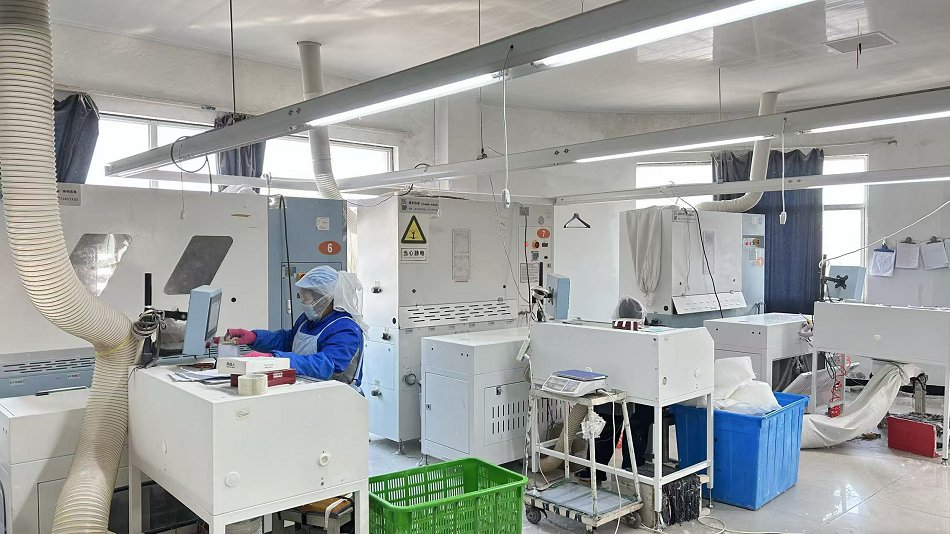
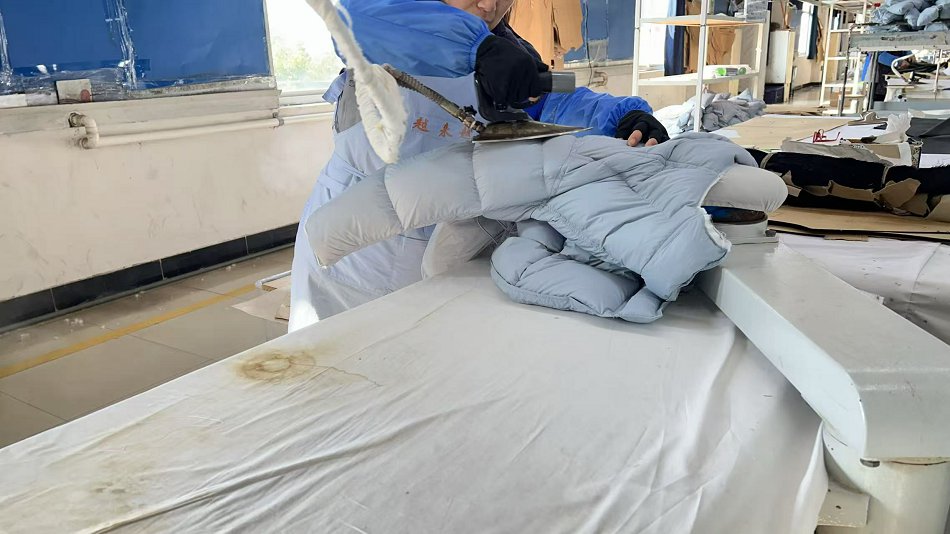
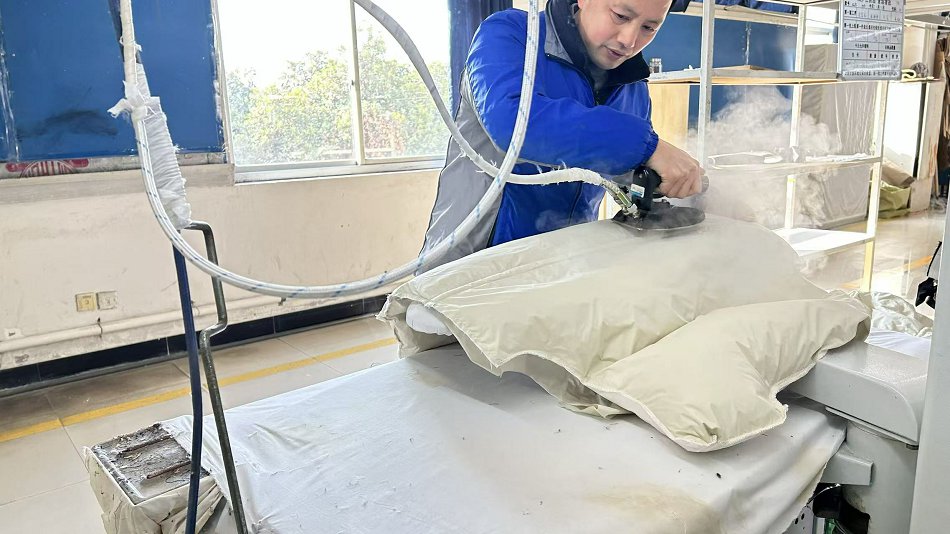
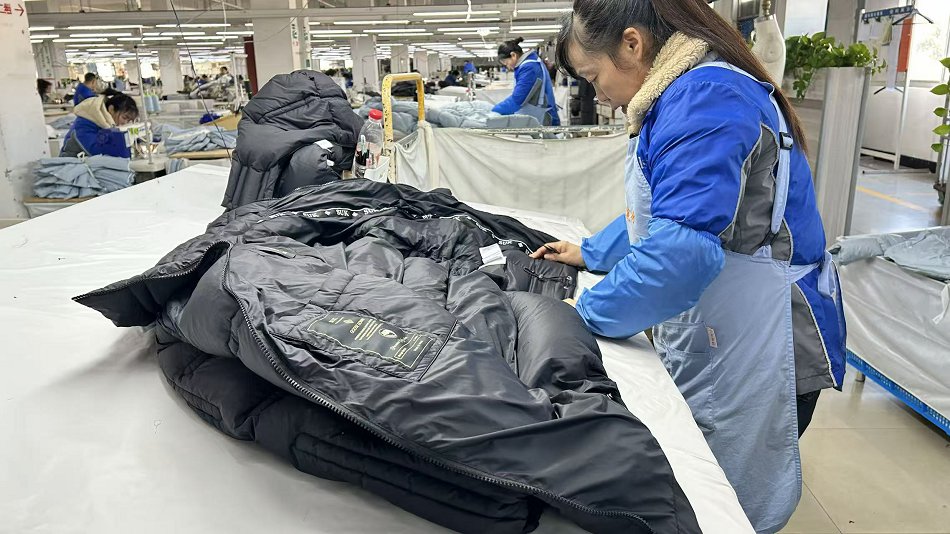
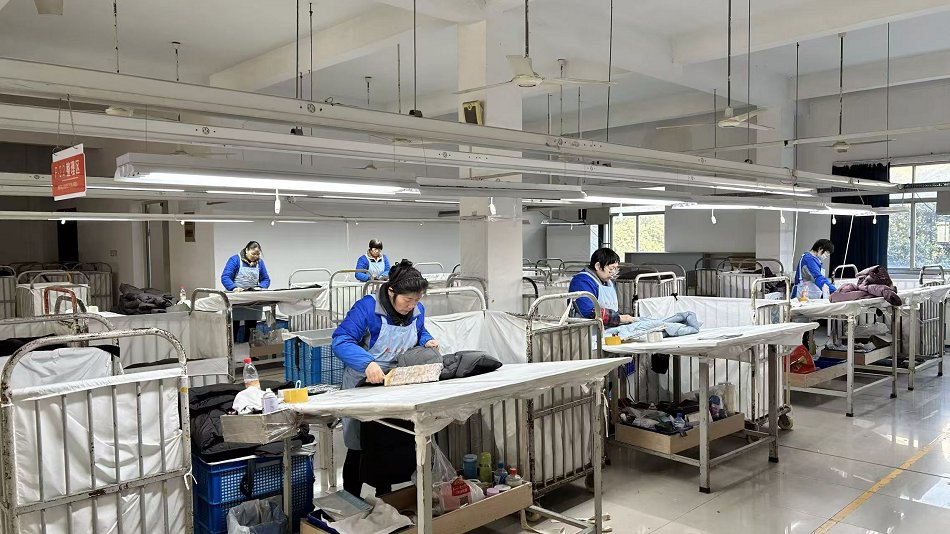
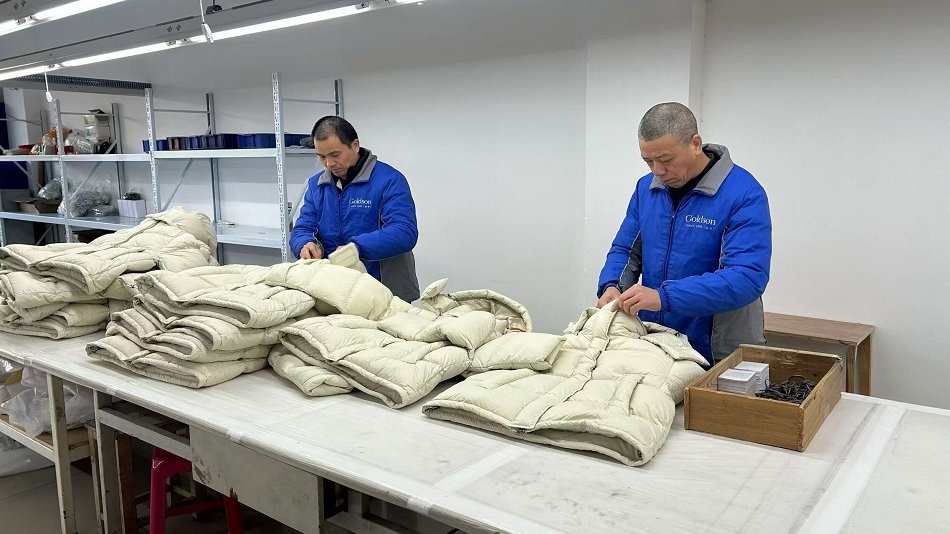
Every overcoat is individually steamed, placed on custom structural hangers, and protected with breathable garment bags before export box sealing.
Advanced B2B Sourcing FAQ
Answers to critical questions regarding technical parameters, supply chain processes, and customs clearance into Toronto.
What fiber composition options do you offer for the cold climate of Toronto?
We offer custom wool and cashmere ratios. For mild autumn and winter days (around 0°C to 5°C), we recommend our 10% cashmere and 90% wool double-faced blends. For colder conditions, we produce 100% virgin wool double-face fabrics, along with premium 100% pure cashmere coats. These provide excellent warmth without adding bulk.
How does your factory ensure compliance with Canada's Textile Labelling Act?
We ensure all exported garments feature bilingual labels (English and French) detailing the fiber content, care instructions, and CA registration numbers. Our materials are tested by independent labs like SGS to verify wool and cashmere percentages before shipping.
What is your typical manufacturing lead time for Toronto private labels?
Our sample cycle takes 7 to 10 days. Once design specifications are finalized and fabric selections are locked in, bulk production takes 25 to 35 days depending on the design. Shipping by air takes 5 to 7 days, while ocean freight to Eastern Canada ports averages 25 to 30 days.
Can we supply our own custom buttons, lining fabrics, and hardware accessories?
Yes, we support both OEM and ODM partnerships. You can send custom components to our warehouse in Hebei, or we can source matching accessories locally through our network. All components undergo quality checks to ensure they meet export standards.
Premium Outerwear Ready for Toronto Distribution
A complete catalog of our modern designs, optimized for boutique retailers and private brands.
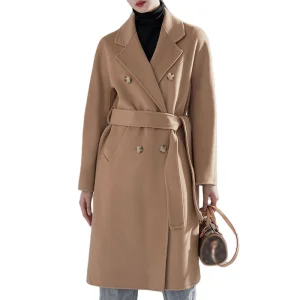
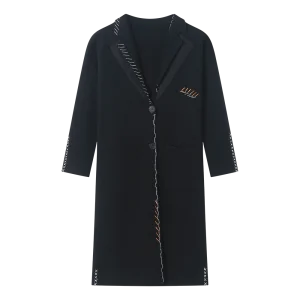
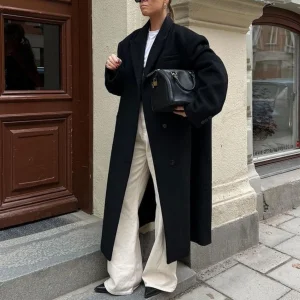
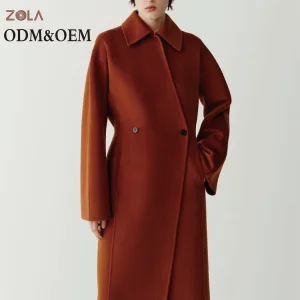
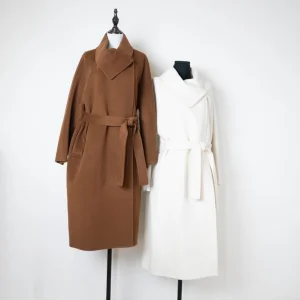
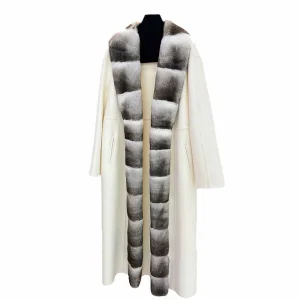
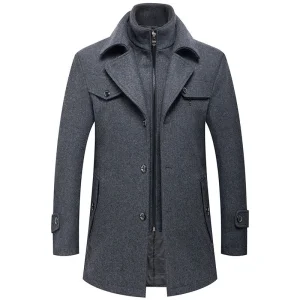
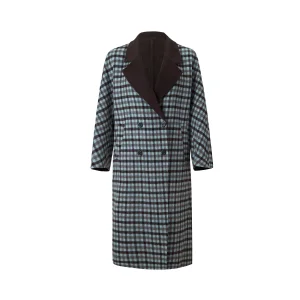
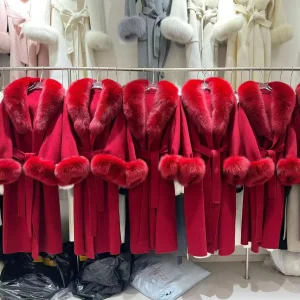
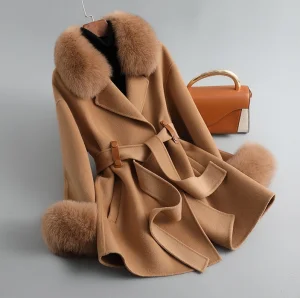
Wholesale Factory Women Long Cashmere 100% Wool Coat Ladies Wool Long Overcoat
Accelerate Your Sourcing to Toronto
Partner with a certified outerwear manufacturer. Get detailed fabric specifications, sample swatches, and custom pricing guides for your brand.
Send Inquiry Now