Featured Winter Thermal Solutions for Oceania Markets
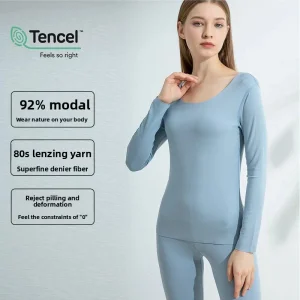
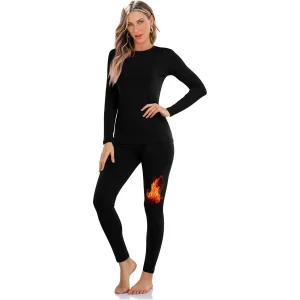
Premium performance-oriented base layers configured with Lenzing Modal, high-density fleece linings, and multi-dimensional stretch technology.
Global Industrial Context & Thermodynamic Innovation
Bridging performance textiles with robust B2B logistics infrastructure to satisfy New Zealand's rigorous quality requirements.
Global Market Dynamics
The worldwide demand for thermal baselayers is shifting rapidly towards multi-functional, lightweight synthetic/natural hybrids. Traditional heavy fleece is being replaced by high-insulating, breathable hollow-core microfibers. B2B buyers must prioritize moisture management index, thermal resistance (CLO values), and high elasticity retention.
New Zealand Industry & Environment
New Zealand's maritime climate presents unique humidity challenges, demanding base layers that retain dry warmth. The microclimates of Auckland, Wellington, and Queenstown require high-performance thermal insulation that handles sudden moisture shifts. Local distributors rely heavily on high-turnover inventory to meet seasonal swings.
Advanced Manufacturing Alignment
Utilizing high-end circular knitting machines and seamless knitting processes, our manufacturing workflows guarantee structural reliability. We combine spandex, nylon, and Lenzing modal to yield high-strength compression profiles, minimizing bulk while ensuring heat retention under sub-zero conditions.
Optimizing Thermal Apparel Supply Chains for Oceania
For New Zealand fashion brands, outdoor equipment distributors, and industrial safety retailers, sourcing high-quality thermal base layers and fleece leggings demands a balance of technological innovation and logistical agility. As winters fluctuate between wet, humid spells in the North Island and freezing alpine systems in the South Island, standard fleece often falls short of customer expectations. The market demands targeted, high-performance materials.
China's Manufacturing Efficiency & Customization Capabilities
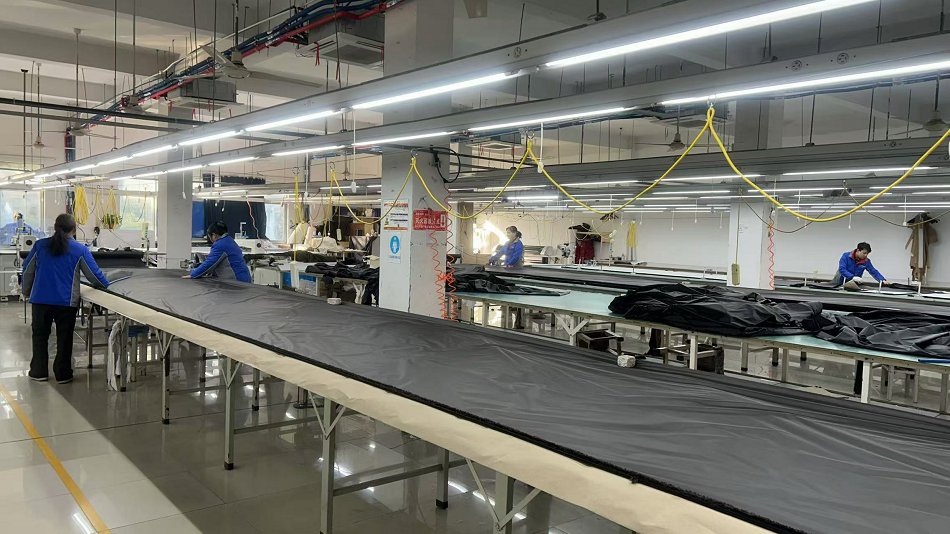
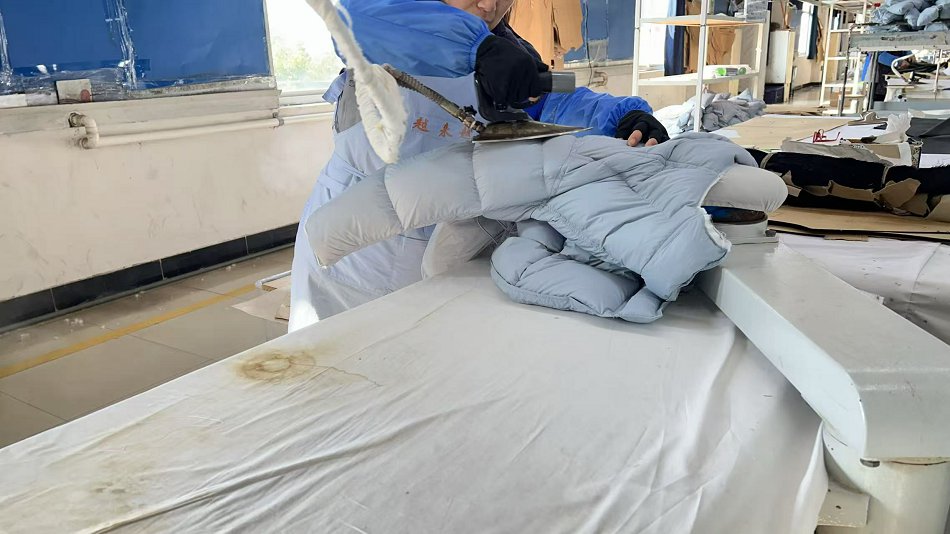
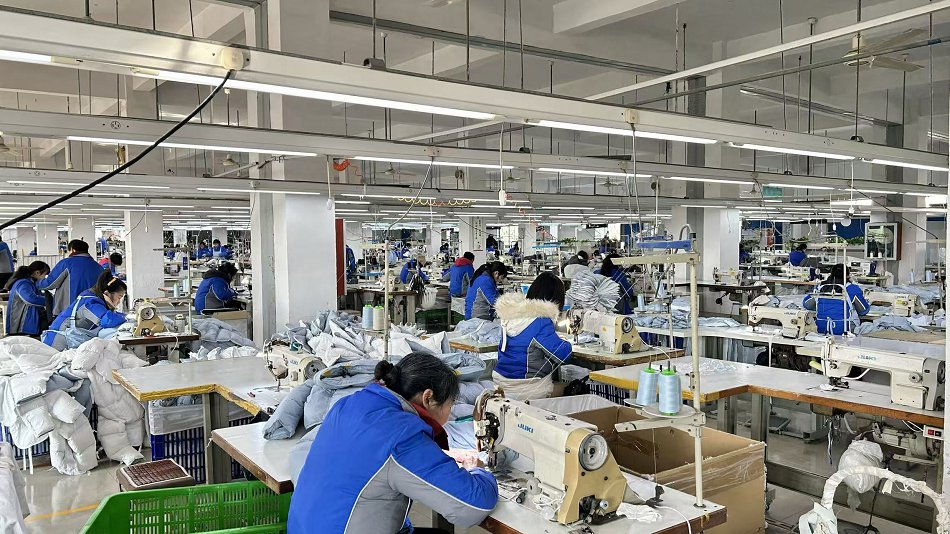
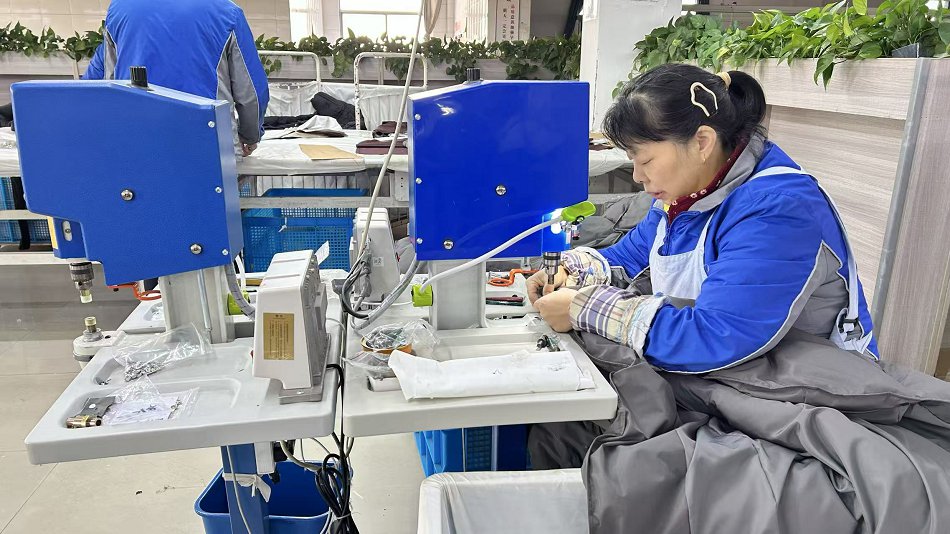
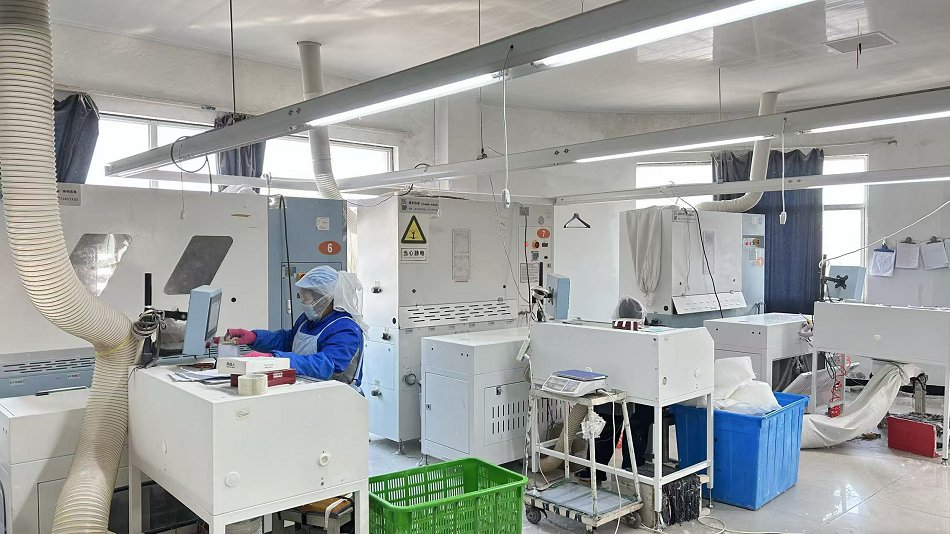
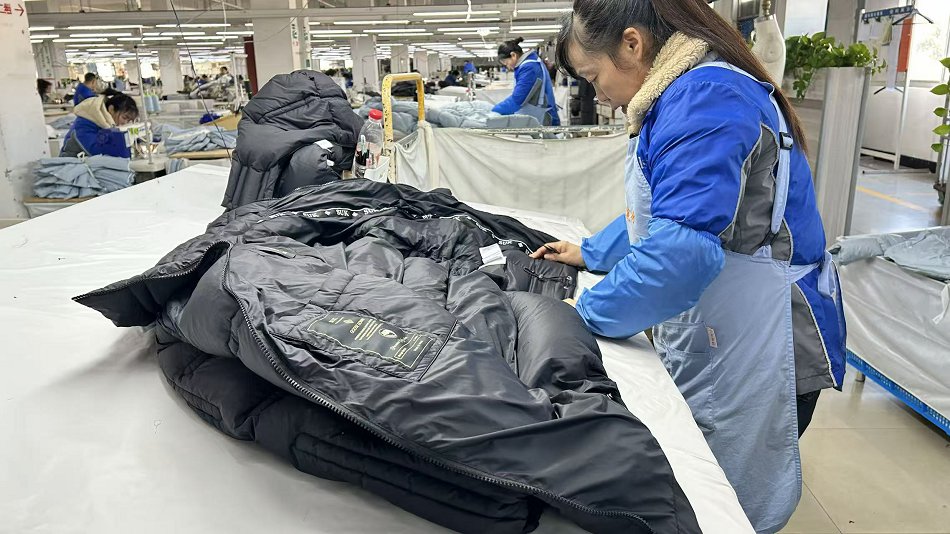
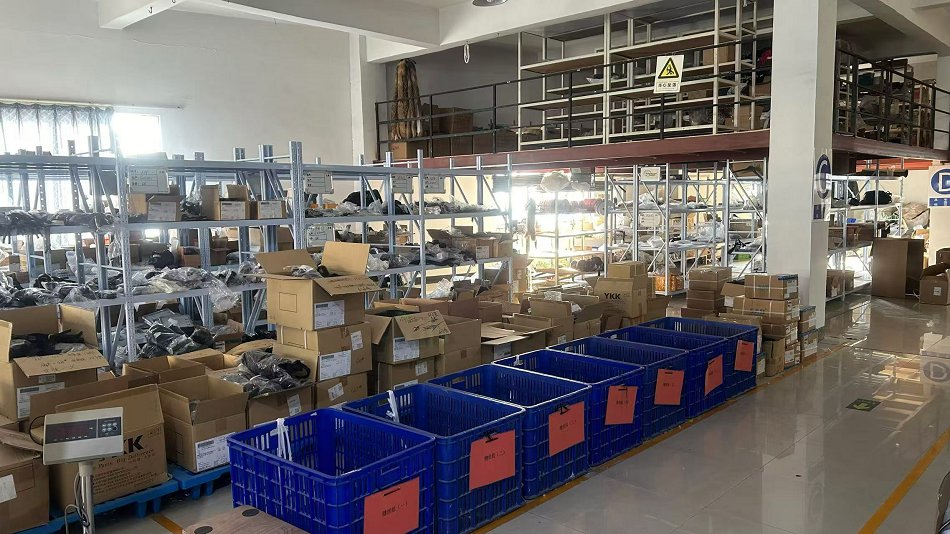
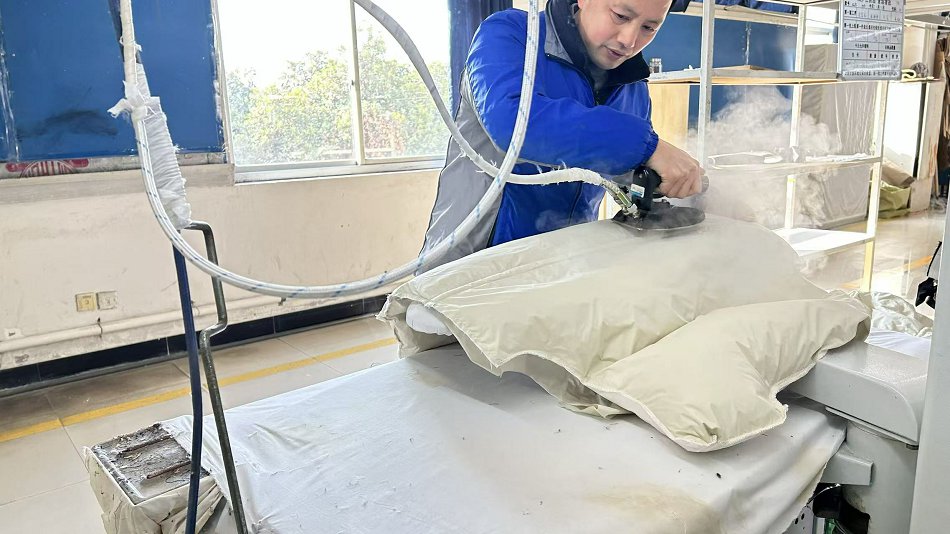
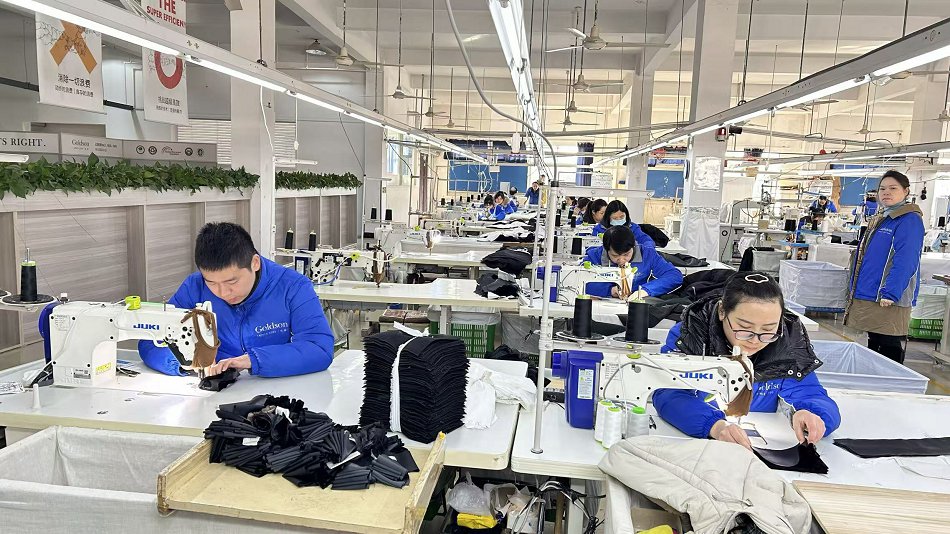
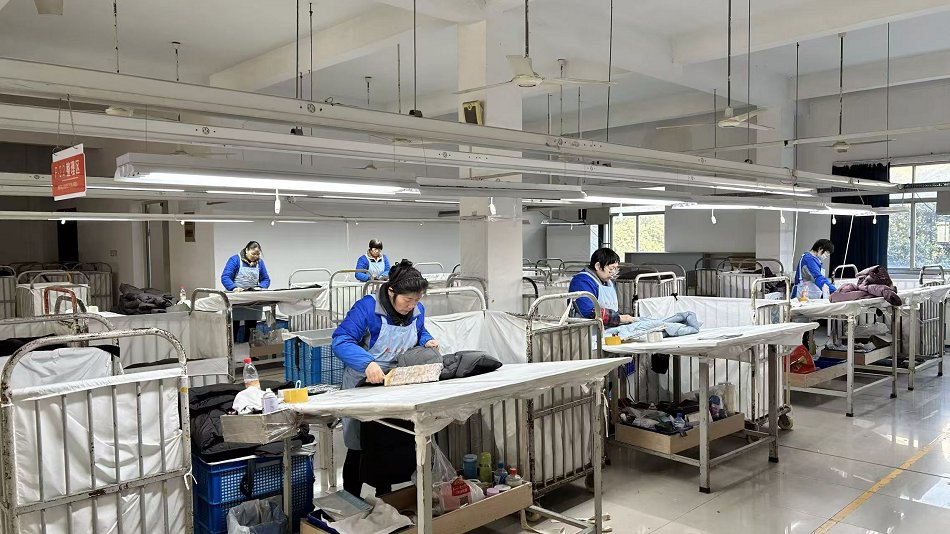
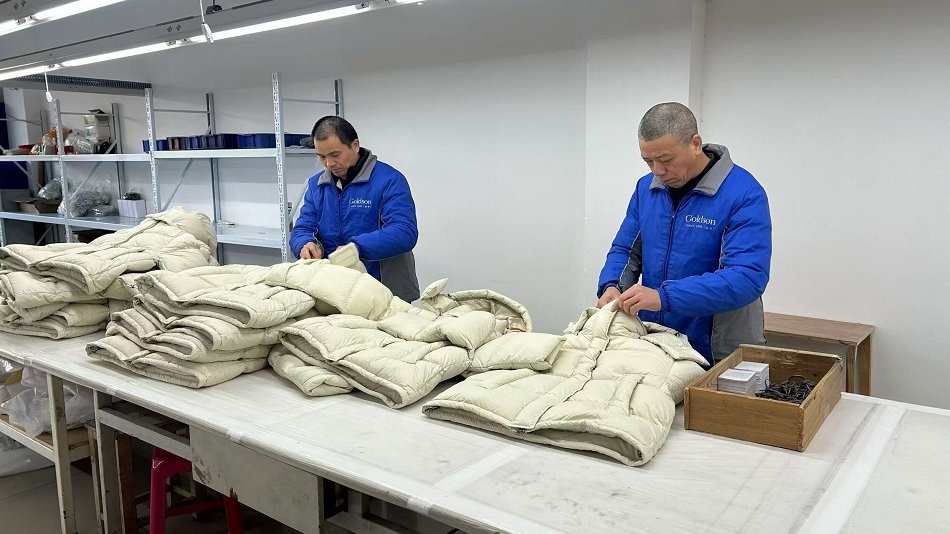
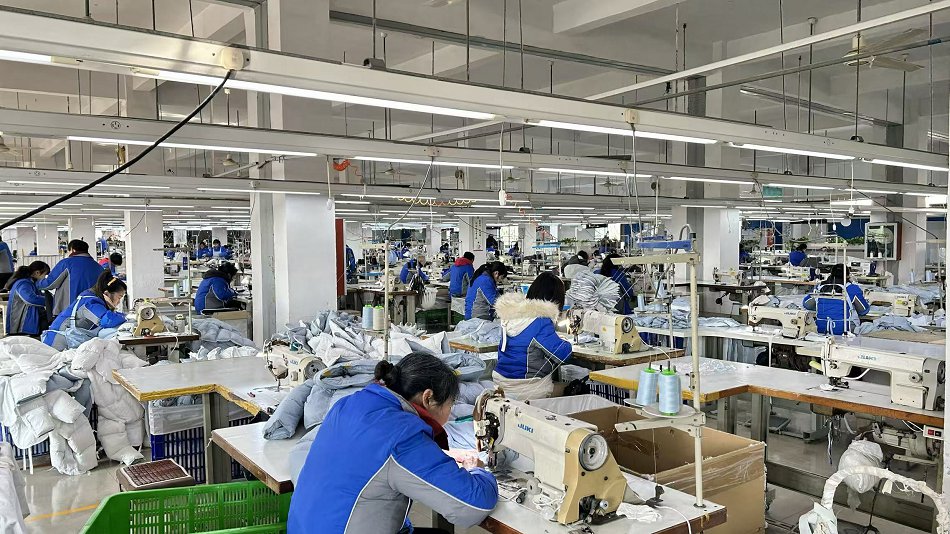
Hebei HyHarmony Fashion Co., Ltd. operates at the core of the international textile manufacturing sector. Based in Hebei Province, our facility utilizes modern vertical integration. Our supply chain manages everything from raw fiber processing to automatic down filling and computerized flatlock stitching. Because we manage both fabric development and bulk packaging, we can offer custom OEM/ODM parameters that are usually cost-prohibitive in domestic New Zealand manufacturing hubs.
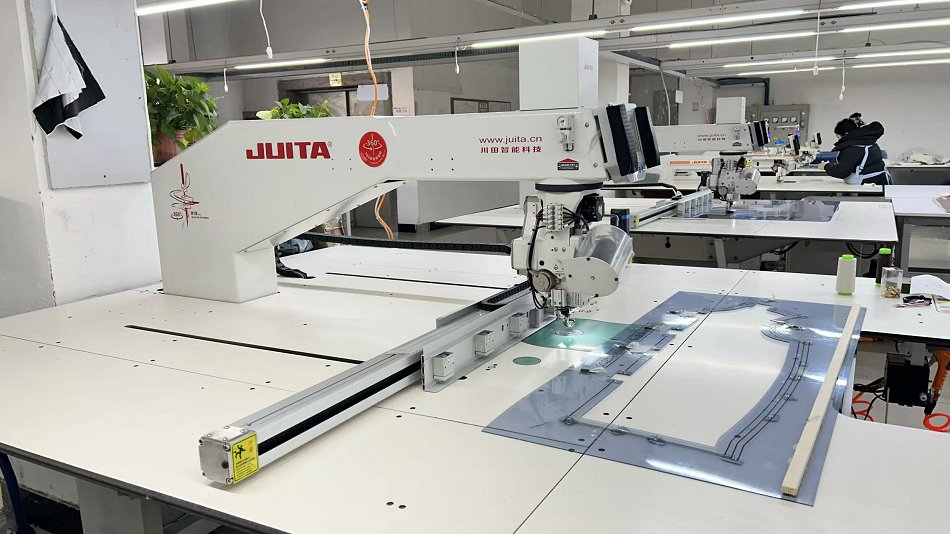
Our automation systems, including automated pattern cutters and template-driven sewing lines, maintain strict consistency across bulk orders. This translates to an operational advantage for NZ distributors: reduced defect rates, rapid seasonal turnaround times, and reliable sizing compliance according to local standards.
Localized Application Scenarios in New Zealand
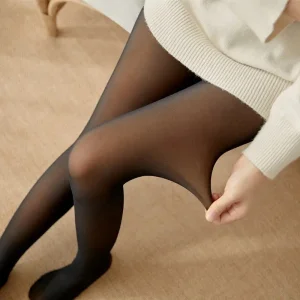
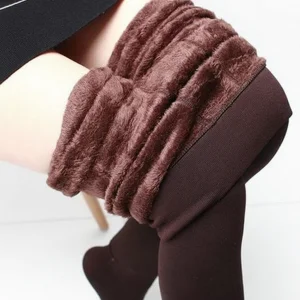
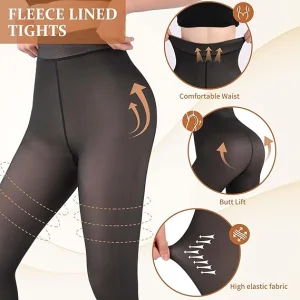
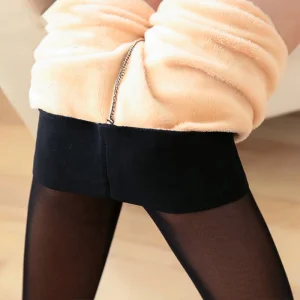
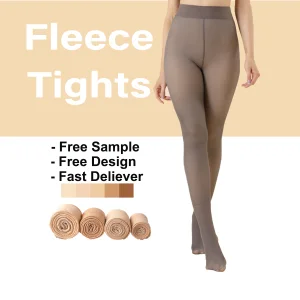
- Alpine Sports & Tourism (Queenstown & Southern Alps): Specialized high-density fleece leggings (200g-350g) with translucent exterior meshes, serving tourists and snow sports enthusiasts looking for warmth without bulk.
- Maritime & Wind-Exposed Commuting (Wellington & Auckland): Micro-Modal thermal underwear sets treated with anti-bacterial finishes, offering breathable moisture management and long-wear comfort under business casual apparel.
- Industrial & Agricultural Base Layers: Heavyweight seamed and seamless thermal bottoms engineered to resist abrasive wear in high-activity agricultural and civil sectors.
Future Trends in Technical Apparel
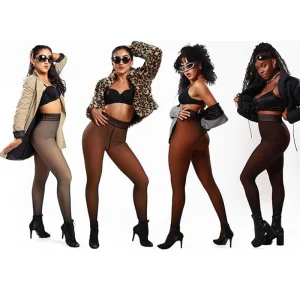
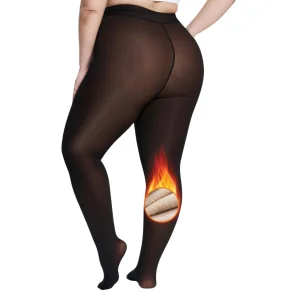
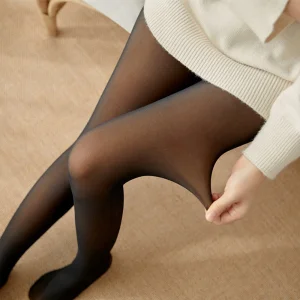
The future of thermal wear belongs to sustainable functionality. B2B buyers are focusing more on recycled polyester structures, organic cotton-spandex composites, and degradable modal fibers. Additionally, we are seeing rising demand for "fake translucent" aesthetics—allowing users to enjoy the look of bare sheer hosiery while benefiting from a thick, plush interior fleece lining. Our design teams continuously adjust fiber ratios to match these shifting consumer preferences.
Hebei HyHarmony Fashion Co., Ltd.
Established in 2019, Hebei HyHarmony Fashion Co., Ltd. is a comprehensive modern apparel enterprise engaged in clothing development, design, manufacturing, wholesale, domestic trade, international export, and integrated brand operations.
Guided by our founding principle of “Quality First, Integrity First”, we manage every production phase—from initial fiber selection to final automated packaging. Our partnerships span the globe, offering long-term reliability for importers who need to secure their seasonal inventories. We work with a business philosophy built on “Integrity, Quality, Efficiency, and Win-Win Cooperation”.
Comprehensive Wholesale Product Directory
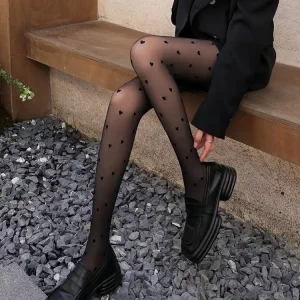
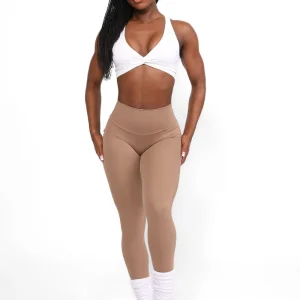
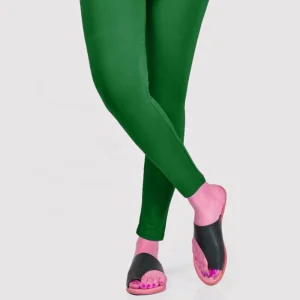
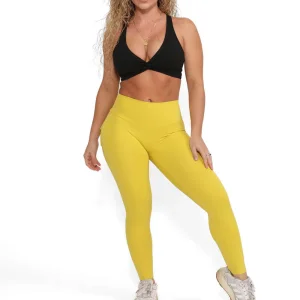
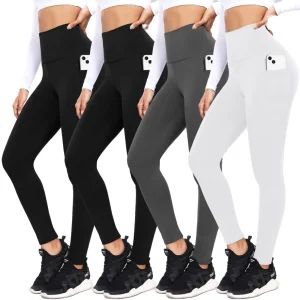
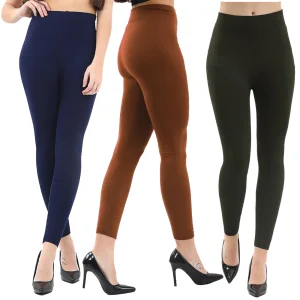
Explore our full line of thermal base layers, fleece-lined leggings, and sheer pantyhose styles engineered for the global winter market.
Strategic Sourcing FAQ
Get answers to critical logistical, technical, and commercial questions about ordering custom thermal wear for New Zealand and global markets.