🚀 Trending Urban Outdoor Collections
🌐 The Evolution of Urban Outdoor Apparel
The "Urban Outdoor" sector—often referred to as Gorpcore—has transitioned from a niche technical segment into a dominant force in global fashion. In 2024, the boundary between high-performance mountaineering gear and metropolitan lifestyle wear has effectively dissolved. This white paper explores how top-tier manufacturers like Hebei HyHarmony Fashion Co., Ltd. are leveraging advanced textile engineering and agile supply chains to meet this surging demand.
Modern consumers no longer choose between style and utility. They demand garments that offer hydrostatic head ratings for heavy rain while maintaining the silhouette of high-street fashion. This requires a profound understanding of multi-layered fabric systems, seam-sealing precision, and ergonomic design—core competencies of leading Chinese garment hubs.
74% Market Growth
Expected surge in technical "City-to-Summit" apparel demand by 2026 across North America and EU.
Eco-Innovation
Adoption of PFC-free DWR coatings and recycled GRS-certified polyesters in 85% of new collections.
Supply Agility
Average lead times reduced by 30% through integrated CAD/CAM systems and local textile clusters.
🏢 Manufacturer Profile: Hebei HyHarmony Fashion Co., Ltd.
Hebei HyHarmony Fashion Co., Ltd. stands as a benchmark of modern apparel excellence. Established in 2019 in Hebei, China, the company has rapidly evolved into a comprehensive hub for garment R&D, design, and global logistics. Their expertise spans across high-performance outerwear, casual fashion, and specialized workwear, catering to a sophisticated international clientele.
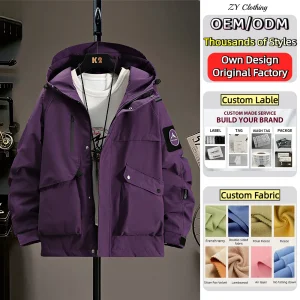
Guided by the "Quality First, Integrity First" philosophy, HyHarmony integrates the rigorous standards of industrial manufacturing with the creative flair of high-fashion design. This synergy allows them to offer OEM and ODM services that are not just about production, but about brand partnership and market strategic growth.
💎 Quality & Integrity
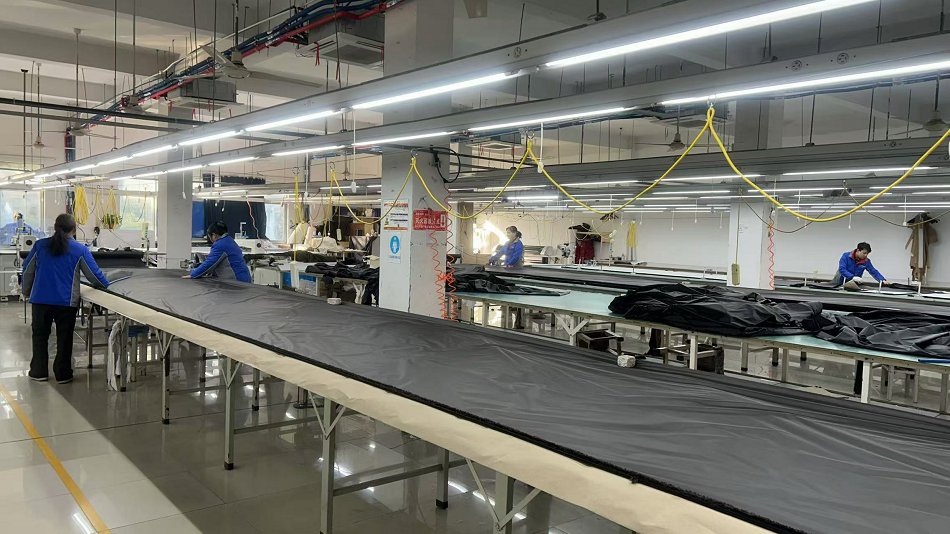
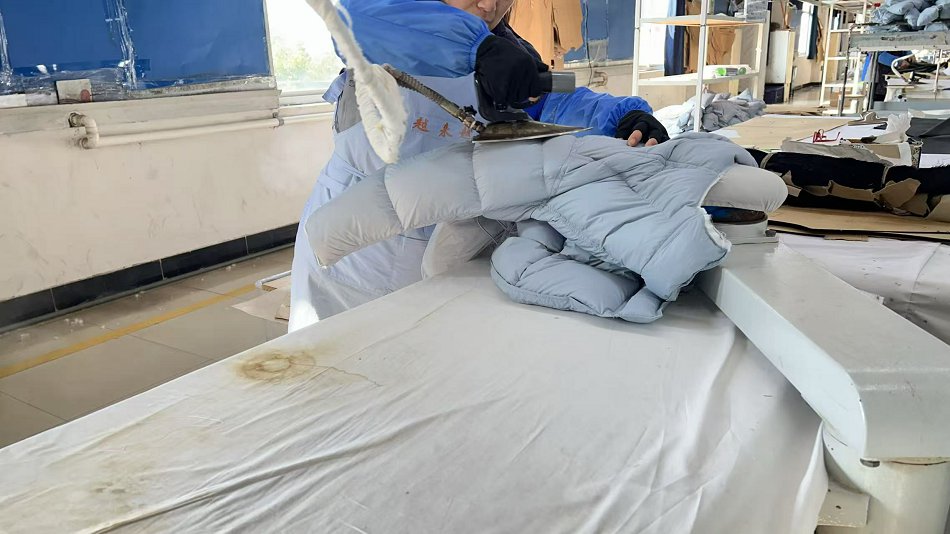
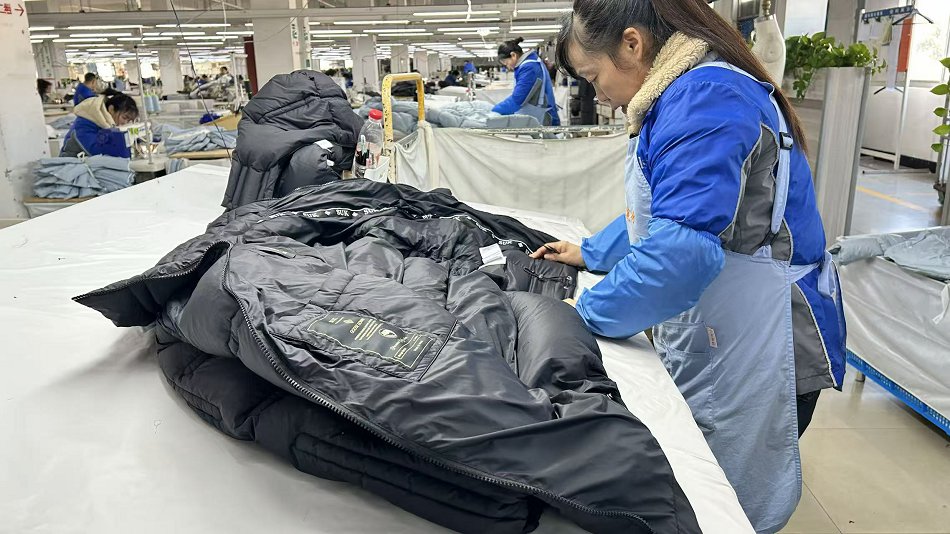
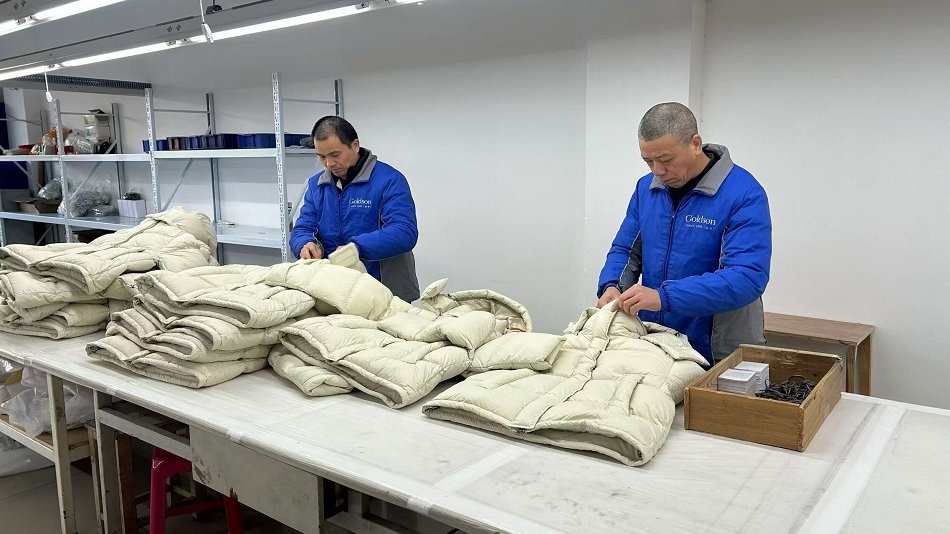
Strict multi-level inspection protocols ensure every stitch meets international durability standards.
⚡ Efficiency & Scale
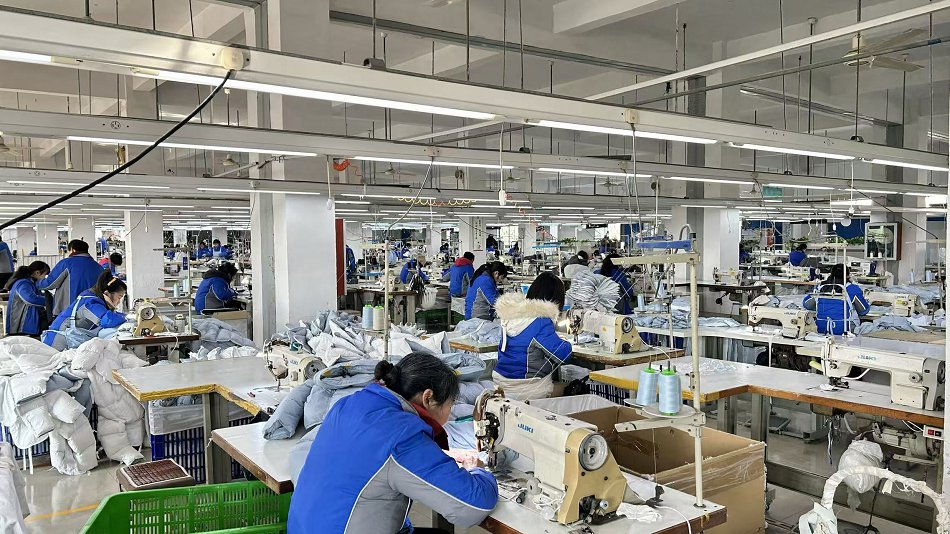
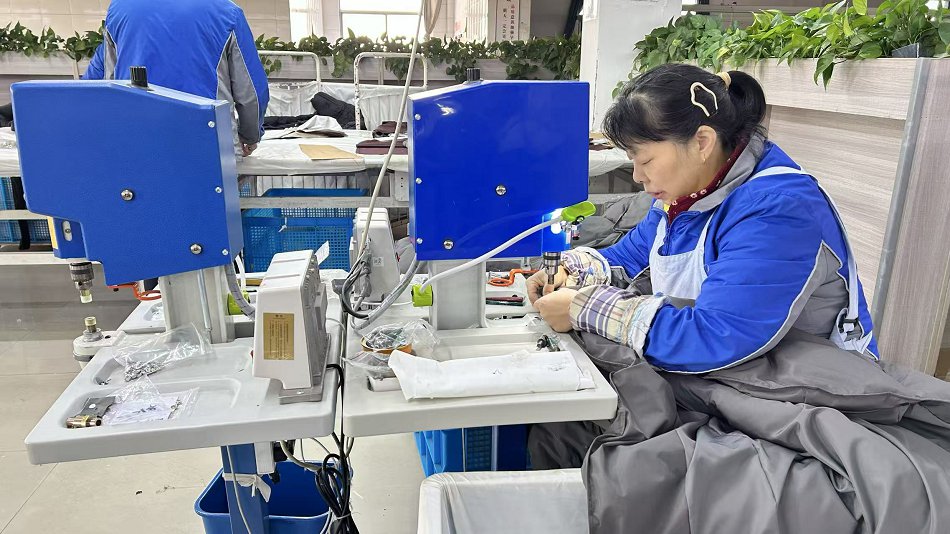
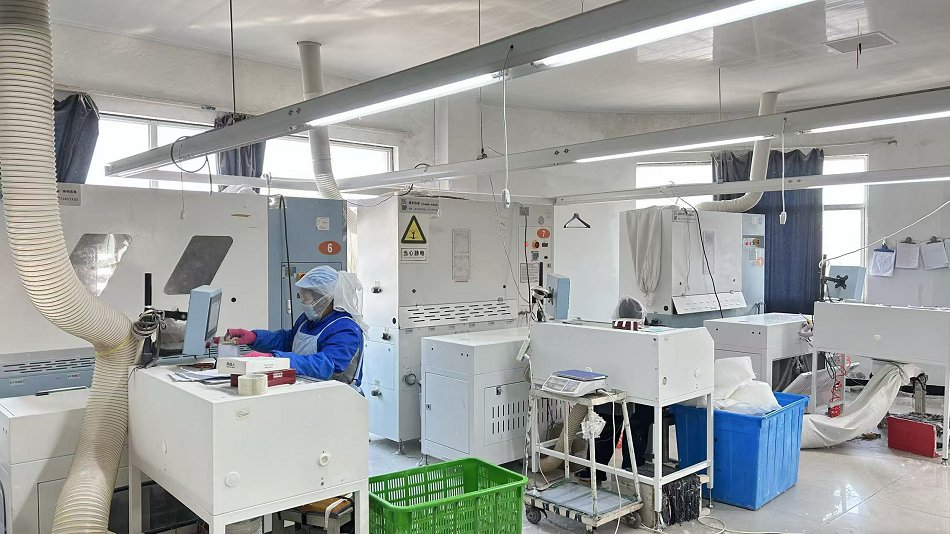
Advanced production lines capable of handling high-volume orders with precision and speed.
🤝 Win-Win Cooperation
Focusing on long-term sustainability and collaborative growth with global distributors and brands.
🛠️ Technical Roadmap & Future Outlook
Phase 1: Smart Materials
Integrating Phase Change Materials (PCM) that regulate body temperature automatically based on external urban climate shifts.
Phase 2: Digital Twin Sourcing
Implementing 3D garment simulation to reduce sample waste and accelerate the time-to-market for seasonal collections.
Phase 3: Circular Economy
Developing fully recyclable mono-material outerwear systems that facilitate easy end-of-life garment processing.
🇨🇳 China's Supply Chain: Resilience & Efficiency
The resilience of the Chinese garment supply chain lies in its hyper-local clusters. In regions like Hebei, the entire ecosystem—from raw fiber production and chemical dyeing to hardware manufacturing (zippers, buttons) and final assembly—exists within a 100km radius. This proximity drastically reduces carbon footprints and logistics delays.
Furthermore, the integration of AI-driven inventory management allows manufacturers to pivot production lines within 48 hours to accommodate sudden trend shifts, a feat nearly impossible in decentralized manufacturing hubs.
Local Integration
Access to world-class raw materials including cashmere, technical nylons, and high-loft down within hours of the factory floor.
Automation Advantage
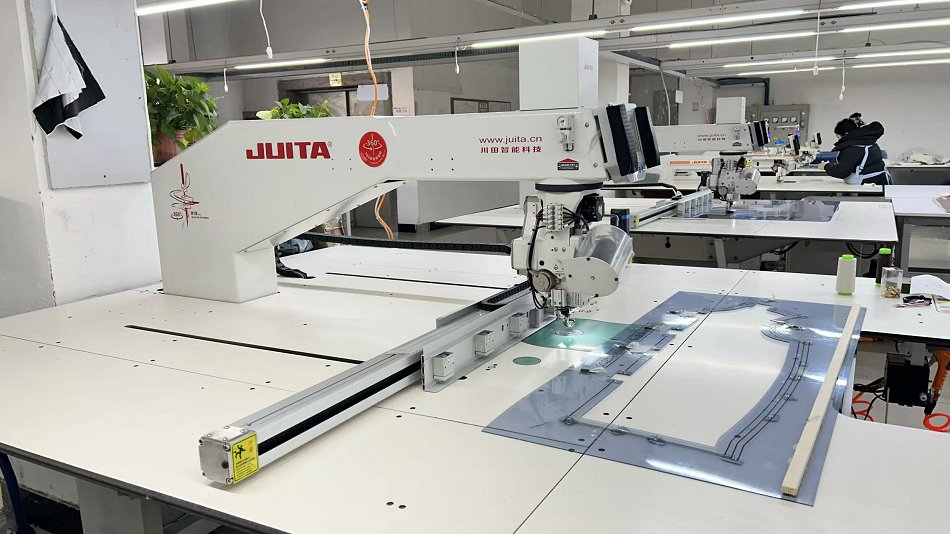
Utilization of automatic template machines and down-filling robots to ensure 100% consistency across bulk orders.
🗺️ Localized Application: City to Peak
🏙️ Metropolitan Commute
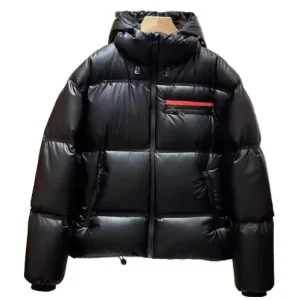
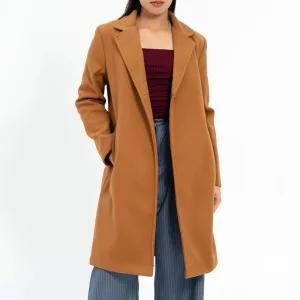
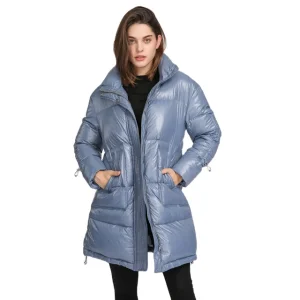
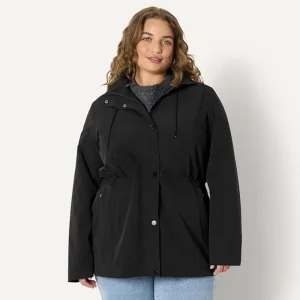
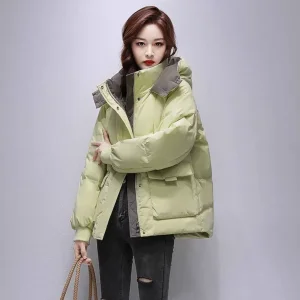
Sleek, windproof trench coats and down jackets with hidden pockets for tech gadgets, designed for London, New York, and Tokyo winters.
🏔️ Weekend Exploration
High-durability softshells and multi-pocket jackets optimized for hiking in the Rockies or the Alps, without looking out of place at a cafe.
🏢 Professional Workwear
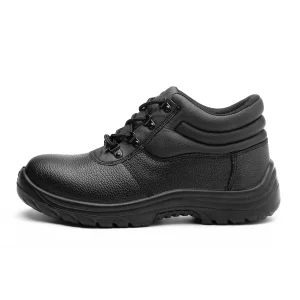
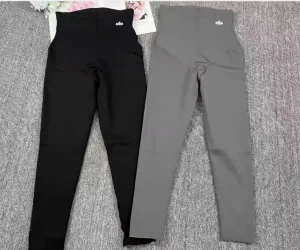
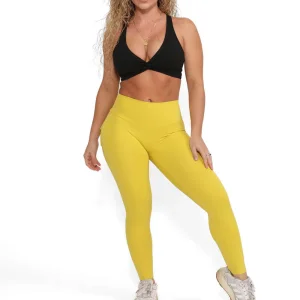
Thermal leggings and structured outerwear that offer warmth and safety (Steel Toe footwear options) for industrial field environments.