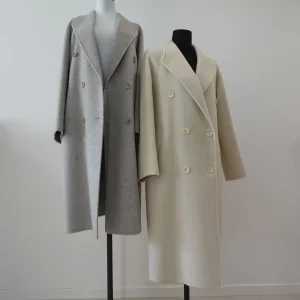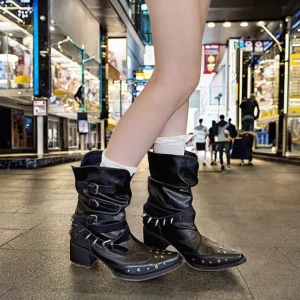
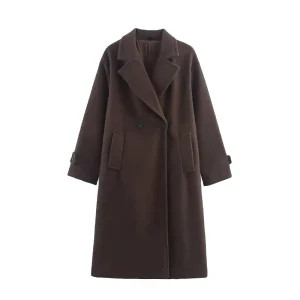
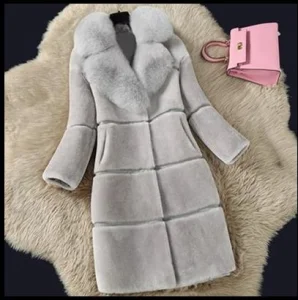
The global market for women's winter outerwear is undergoing a fundamental structural transition. Driven by stringent sustainability frameworks—such as the European Union’s Ecodesign for Sustainable Products Regulation (ESPR) and the United States' federal restrictions on per- and polyfluoroalkyl substances (PFAS)—brands are forced to transition away from traditional petrochemical-based synthetics. Sourcing managers and fashion enterprises are no longer treating environmental compliance as a mere brand narrative. Instead, it has become a baseline operational parameter.
Historically, heavy winter outerwear relied on virgin nylon-6, polyester, and polyurethane coatings to achieve water resistance and thermal insulation. However, these materials carry heavy ecological footprints, contributing to persistent microplastic shedding and significant carbon release during processing. Today, high-performance OEM manufacturing focuses heavily on the procurement of Post-Consumer Recycled (PCR) synthetics, biodegradable bio-polyamides, and chemical-free mechanical coatings. The core engineering challenge lies in maintaining critical performance indices—such as hydrostatic head ratings exceeding 10,000mm and moisture vapor transmission rates (MVTR) of 10,000 g/m²/24h—without utilizing hazardous chemical compounds.
Circular Frameworks
Full tracking from post-consumer waste sorting to certified pellet extrusion, maintaining high fiber durability and tear strength matching virgin polymer specifications.
Fluorine-Free Barrier Tech
Utilizing bio-based PU membranes and renewable organo-modified vegetable oil derivatives for durable water repellency without PFAS contamination.
Decarbonized Insulation
Replacing traditional synthetic fills with certified down (RDS) or bio-based plant lofts that drastically lower carbon emissions during manufacturing.
Moreover, global supply chain transparency has emerged as a crucial component of E-E-A-T (Experience, Expertise, Authoritativeness, and Trustworthiness) standards. Buyers require authentic verification of claims through Global Recycled Standard (GRS) certificates, OEKO-TEX Standard 100 toxicity testing, and verified audits of factory conditions. For brand buyers in North America, Western Europe, and Japan, establishing direct ties with vertically integrated manufacturing facilities possessing documented processing lines is essential for mitigating regulatory and reputational risk.
| Performance Indicator | Sustainable Alternative Material | Virgin Synthetic Equivalent | Ecological Impact Reductions |
|---|---|---|---|
| Outer Shell Durability | GRS Recycled Nylon 6,6 (Renewable energy processed) | Virgin Nylon-6 Shells | -45% Carbon emissions, high abrasion resistance |
| DWR Protection | PFC-Free Hydrophobic Polyurethane / Bio-Silicone | C6/C8 Fluorochemical Finishes | Zero bioaccumulative toxins, zero water table contamination |
| Thermal Loft / Fill | RDS-Certified Down / 100% Recycled PET Bottle Fiber | Virgin Polyester Padding | Prevents marine microplastics, cruelty-free sourcing |
| Inner Linings | 100% Plant-derived Viscose / Recycled Acetate | Traditional Nylon Taffeta | Biodegradable fiber matrix, rapid skin breathability |
Hebei HyHarmony Fashion Co., Ltd.
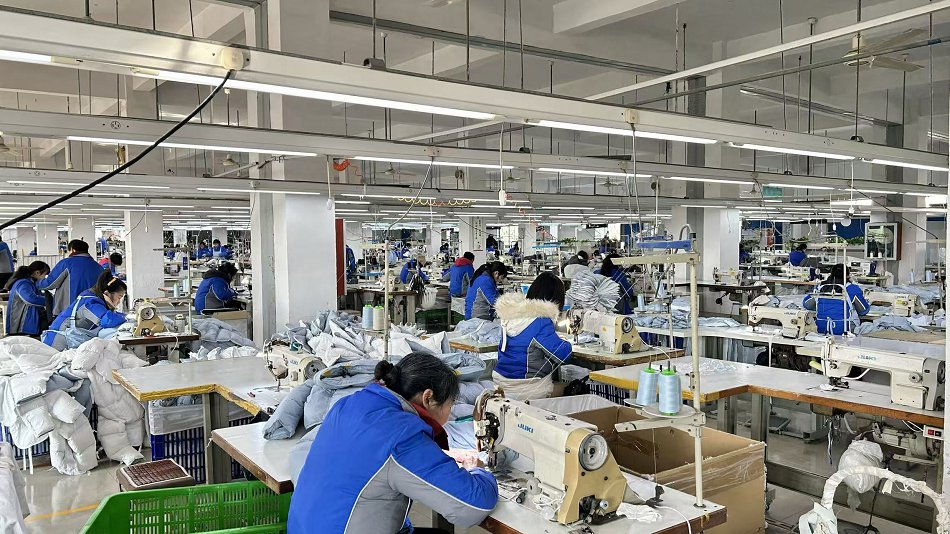
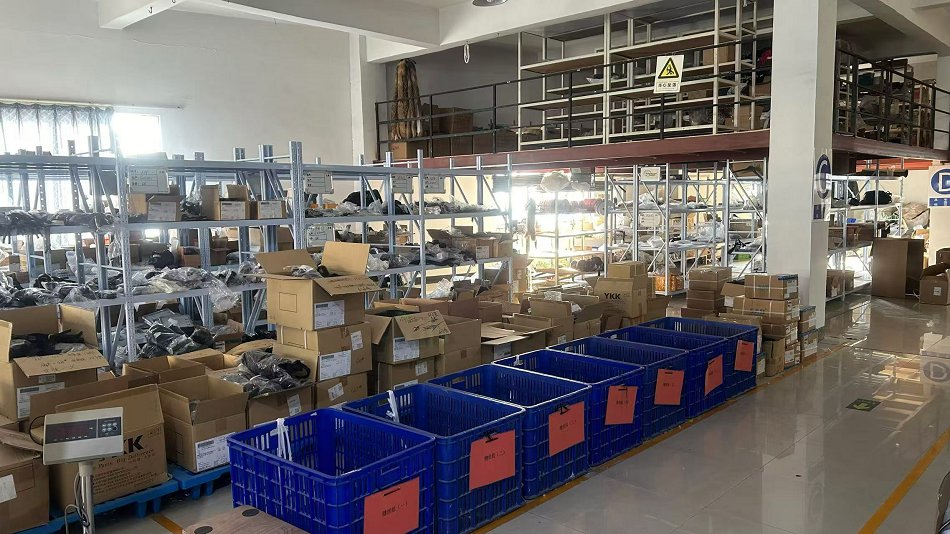
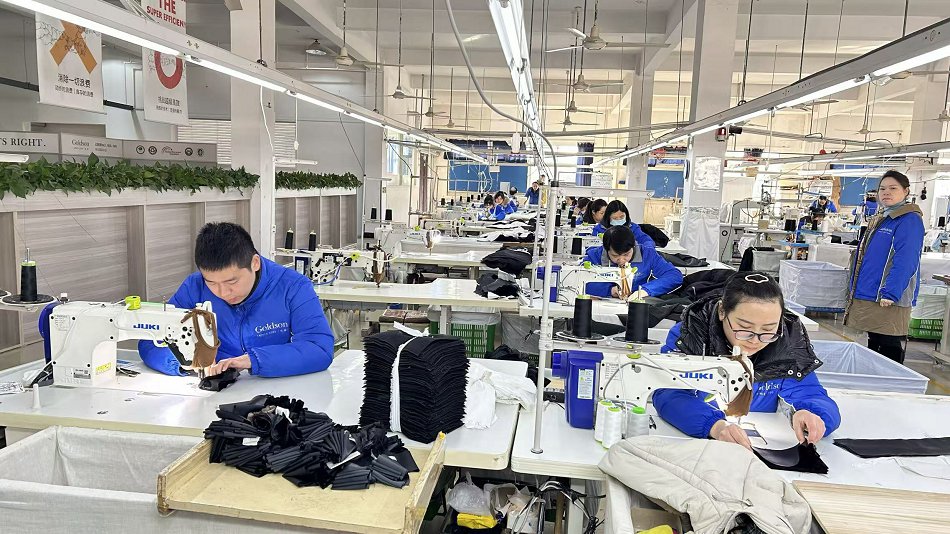
Established in 2019 in Hebei Province, China, Hebei HyHarmony Fashion Co., Ltd. is a comprehensive, modern apparel enterprise engaged in clothing development, design, manufacturing, wholesale, domestic trade, international export, and integrated brand operations. Building on a foundation of strong production capability and deep industry expertise, the company has developed into a full-chain garment enterprise covering product planning, fabric sourcing, sample development, mass production, quality control, logistics coordination, and global distribution.
Guided by the principle of “Quality First, Integrity First”, Hebei HyHarmony Fashion Co., Ltd. is committed to delivering high-quality apparel products and professional services. The company strictly manages every production stage, from material selection to final inspection, ensuring consistent product reliability and customer satisfaction. The company integrates modern fashion awareness with practical manufacturing excellence, enabling it to respond quickly to changing market demands and seasonal trends.
Core Technical Systems
- Experienced design and technical team producing over 300 new CAD silhouettes annually.
- Advanced computerized pattern nesting and automatic fabric spreaders maximizing material yield.
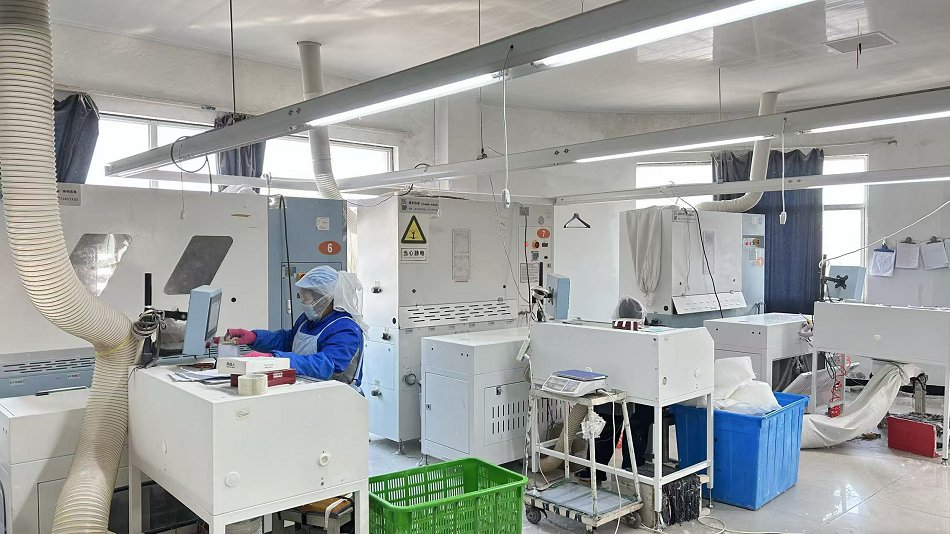
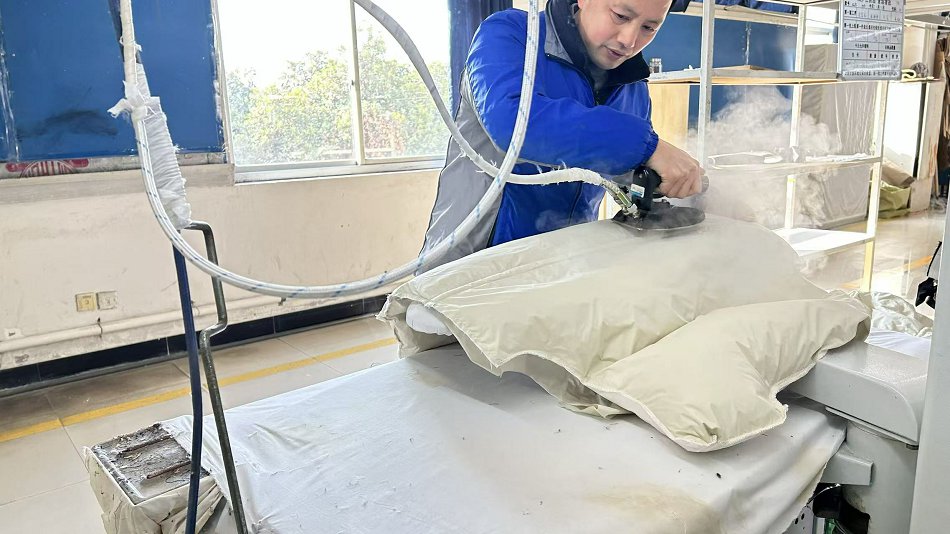
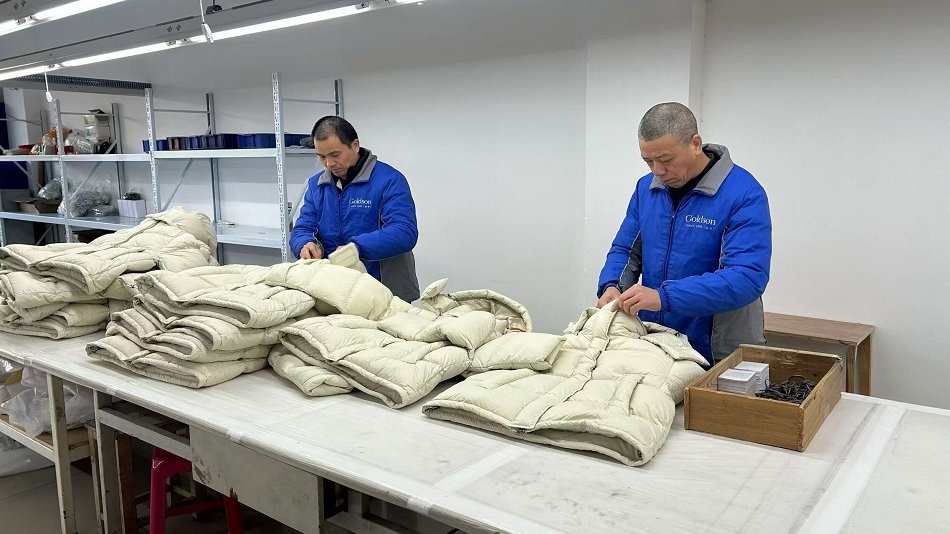
- Automated down-filling chambers guaranteeing exact density distribution and zero clumping.
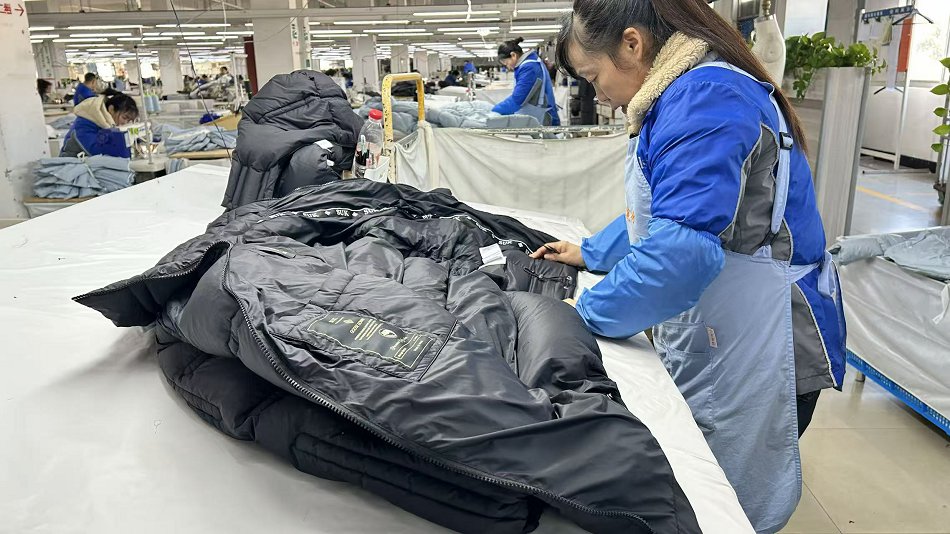
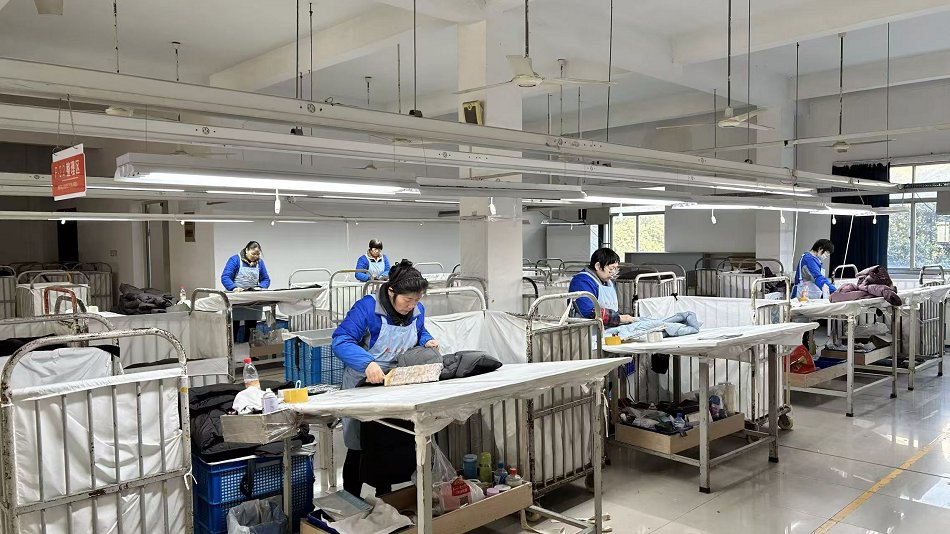
- Multi-level QC checkpoints conforming to AQL 2.5 standards for international shipments.
"Our commitment is to act as a robust, transparent supply chain partner for brands seeking premium, scalable green garment solutions."
As the fashion sector approaches the 2030 climate action markers, the roadmap for winter outerwear centers on three key areas: closed-loop recycling systems, bio-synthetic polyamides, and advanced mechanical coatings. Traditional recycling relies on shredding beverage bottles into PET flakes, which can only be re-melted a limited number of times before the polymer chains break down. The industry is currently moving towards chemical recycling (depolymerization), which converts textile waste back into monomers. This process yields recycled polyester and nylon with the exact performance qualities of virgin materials.
Simultaneously, bio-synthetics are gaining significant traction. Leading brands are actively testing bio-based nylon made from castor beans or biological starch. These materials offer the necessary lightweight durability, oil resistance, and tensile strength required for performance ski jackets and trench coats, while avoiding petrochemical extraction. On the waterproofing front, our engineering team is collaborating with material researchers to phase out traditional PU and PTFE membranes, replacing them with breathable hydrophilic polyester membranes that can be recycled together with the shell fabric as a single material.
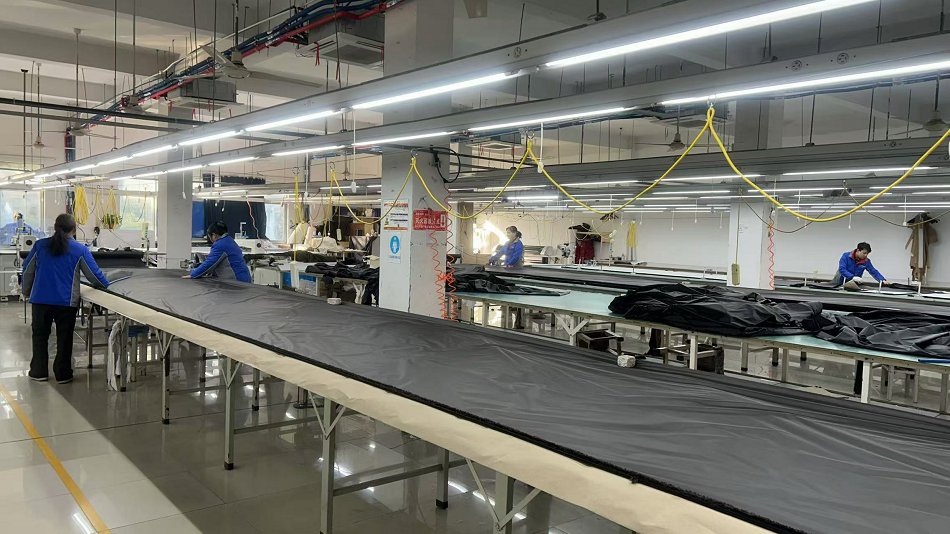
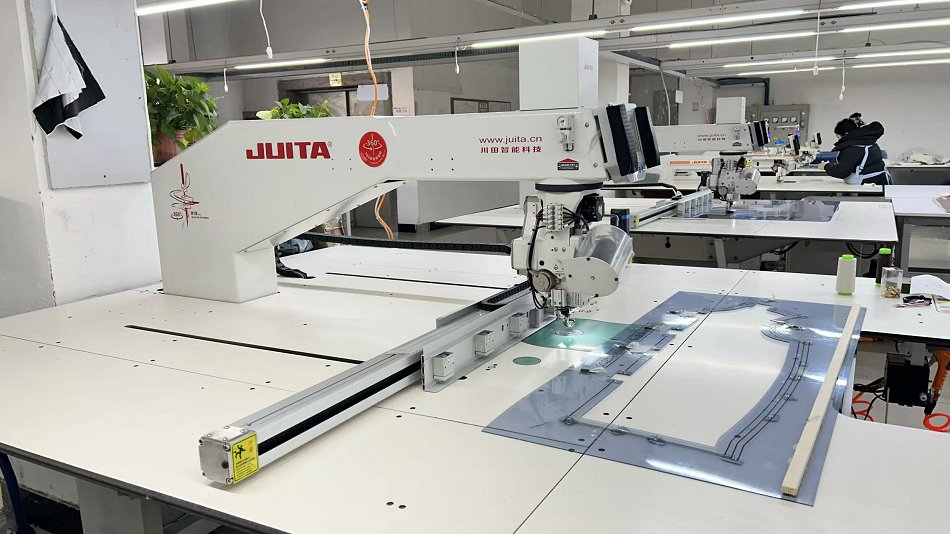
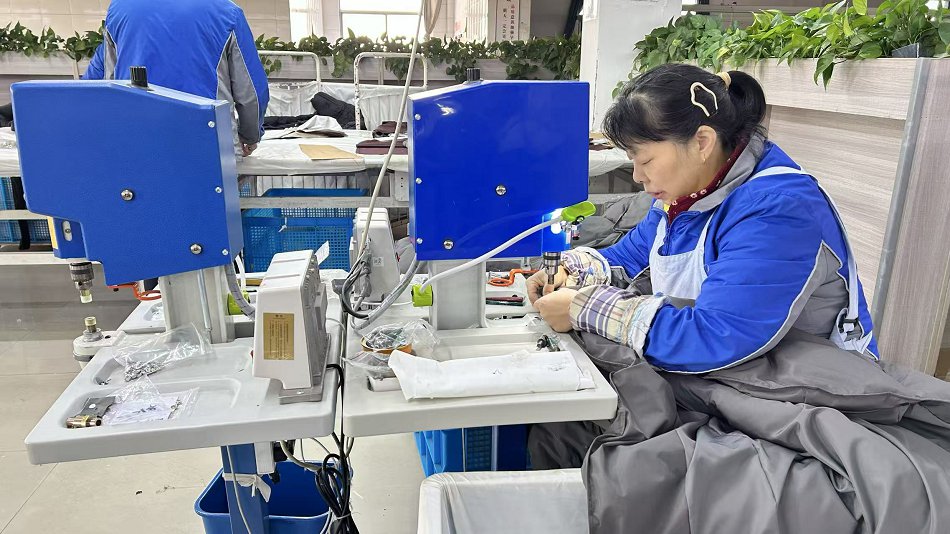
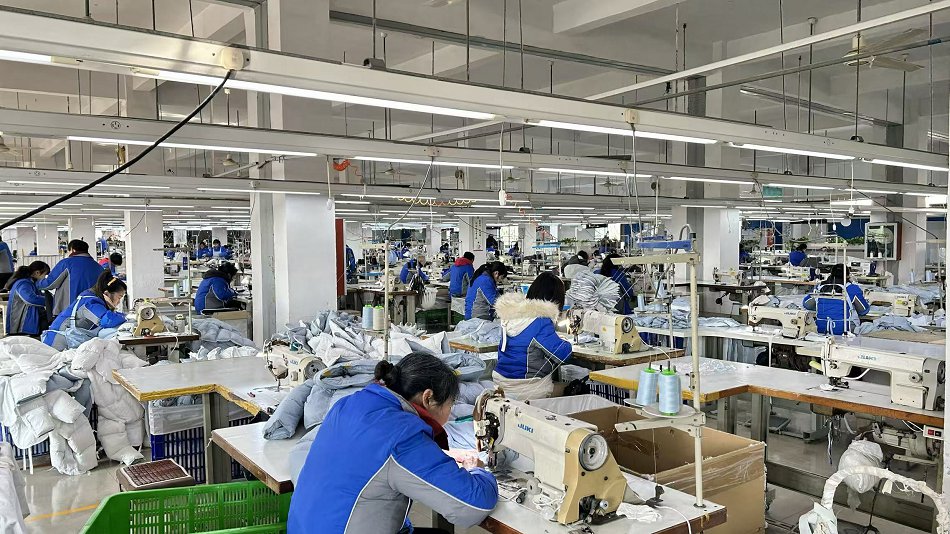
In terms of production machinery, Hebei HyHarmony has adopted advanced, high-efficiency equipment to minimize energy consumption and eliminate material waste. The transition to computerized automatic cutting tables ensures fabric scraps are kept below 5%. Additionally, automated laser-guided sealing machines ensure that lightweight structures—such as mesh inserts and pocket surrounds—can be bonded without using heavy adhesive tapes, maintaining clean garment drape, breathability, and ease of recycling.
To succeed globally, winter apparel must adapt to regional needs. Different markets require specific performance levels and stylistic details depending on their local climate and retail preferences:
North American Ski & Active Markets
Focuses on high-loft insulation, seam-taped protective shells, and multi-functional details like pass pocket systems, underarm ventilation, and helmet-compatible hoods.
Western European Urban Comfort
Prioritizes elegant, double-breasted overcoats, trench silhouettes, and lightweight down jackets in neutral tones. Strong emphasis on circular, mono-material designs to meet EU eco-design directives.
Northern European Extreme Weather
Demands robust, wind-resistant parkas with heavy-duty thermal fills. Sourcing focus centers on RDS-certified goose down and biological insulation rated down to -30°C.
Our OEM and ODM solutions are designed to address these distinct requirements. We support brands throughout the entire development process—from design concepts and custom fabric dye batches to certified performance verification. This collaborative approach allows our partners to introduce highly localized product lines without facing the typical supply chain delays associated with complex global sourcing.