
1. Evolutionary Trends in Women's Performance Base Layers
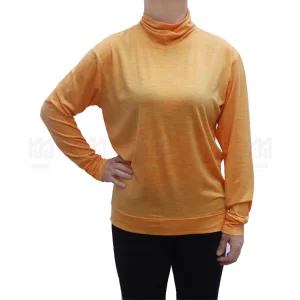
The global sports apparel market is undergoing a structural transition. Women's performance base layers, historically designed as simplified adaptations of unisex or men’s models, are now engineered from the ground up to support distinct anatomical, thermal, and mechanical demands. Modern consumers and athletes demand garments that act as a dynamic extension of their skin. This shift has altered base layer production, transitioning from generic insulation garments to highly engineered biological interfaces.
Next-generation activewear prioritizes moisture management indices (MMI), dynamic air permeability, and precise clo ratings. The integration of high-grade natural fibers like fine-micron Merino wool with synthetic polymers (such as recycled nylon-6,6 and bio-based polyesters) creates blended yarns that provide natural thermal control, effective moisture wicking, and odor protection.
In addition, advanced knitting techniques like seamless 3D body mapping allow manufacturers to program variable density zones directly into the apparel. This structural zoning targets heat retention zones around core systems while placing highly breathable micro-mesh zones under the arms, along the spine, and at key perspiration areas. These technologies optimize thermal stability, preventing rapid cooling after intense activities.
The Science of Moisture and Thermal Regulation
Base layer performance relies on the balance between hydrophobic and hydrophilic fibers. Synthetic fibers like polyester repel moisture, forcing water droplets to migrate along the filament surface via capillary action. Combined with hydrophilic fibers like merino wool or lyocell, the material actively pulls sweat from the skin and spreads it across a wide surface area for rapid evaporation. This prevents fabric saturation, which can lead to rapid cooling and thermal discomfort during periods of rest.