China Top 10 Thermal Underwear for Skiing How to Choose?

Time:2026-09-26 Author:Sophia
0%

A cold ski morning can expose weak spots in your clothing quickly. You may feel sweat building during a climb, then chill while waiting on a lift. Thermal underwear helps manage warmth and moisture beneath your outer layers, but no single fabric or fit works for everyone. Fit matters. A base layer that bunches under ski pants can rub, while one that feels tight at home may restrict movement on the slope. Small details count: flat seams, a comfortable waistband, and cuffs that stay in place can make long days easier.

This guide looks at ten thermal underwear options for skiing in China and explains how to compare them. It explores fabric, warmth, breathability, fit, construction, and care, with practical considerations for different budgets and skiing conditions. If you are wondering how to choose the right thermal underwear for skiing, start with your activity level and the weather you expect, rather than a product label alone. Merino wool, synthetic fibers, and blended fabrics each have trade-offs; warmth claims can also be hard to compare between brands. Check sizing charts and product details, and consider how the garment feels when you move. No ranking can replace a proper fit test. Even careful research has limits: comfort is personal, and a layer that works beautifully for one skier may feel clammy or restrictive to another.
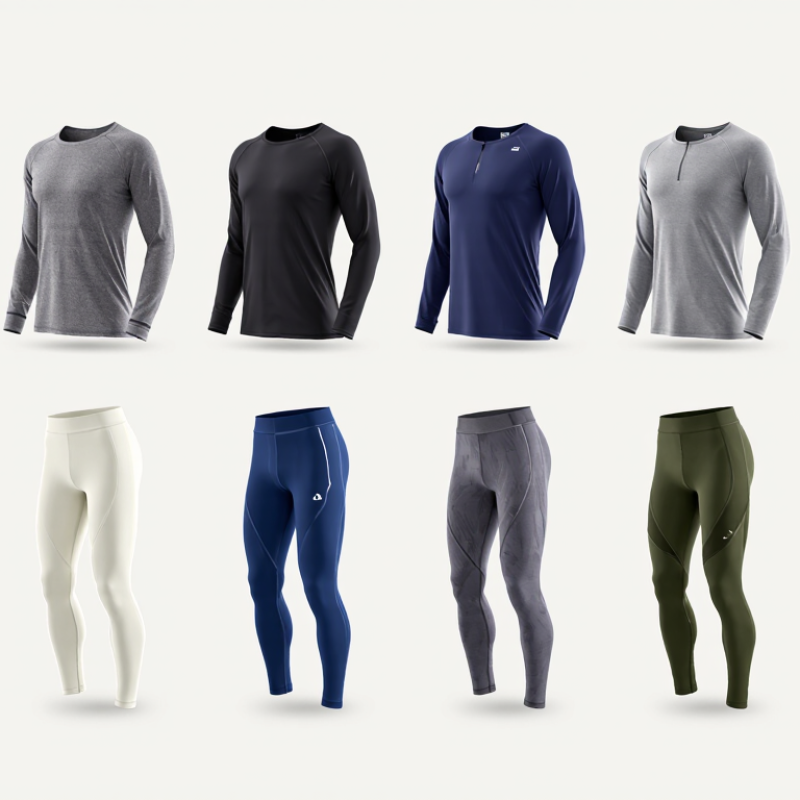
China Top 10 Thermal Underwear for Skiing How to Choose?

China’s Top 10 Ski Thermal Underwear: Compare Fiber, GSM, Fit, and Seams

When comparing China’s top ten thermal underwear options for skiing, look beyond the product label. Merino wool manages odor and feels comfortable, while polyester dries quickly after a sweaty climb. Blends can balance both, but fiber percentages matter. GSM describes fabric weight, not warmth by itself. A 200 GSM layer may feel warmer than a lighter knit, yet dense fabric can hold moisture during hard runs. A chart can mislead.

Fit should be close to the skin without pulling across the shoulders or knees. Raise your arms and squat before buying; fabric that rides up can expose your lower back on a chairlift. Check seams at the neck, underarms, and inner thighs. Flat seams reduce rubbing beneath ski pants, while bulky stitching may leave red marks after a full day. Small details matter.

Tips: Match GSM to activity and weather, then check the care label. Try the base layer with your usual midlayer. If the waistband rolls or cuffs bunch inside your boots, reconsider the size. And don’t assume the warmest option is best; overheating can leave damp fabric against your skin.

Assess Warmth and Breathability with ISO 11092 Rct and Ret Measurements

China Top 10 Thermal Underwear for Skiing: How to Choose?
Assess Warmth and Breathability with ISO 11092 Rct and Ret Measurements

For ski underwear, warmth matters, but trapped sweat can leave you cold on a chairlift. ISO 11092:2014 measures fabric thermal resistance, Rct, and water-vapor resistance, Ret, using a sweating guarded hotplate. Results use m²·K/W for Rct and m²·Pa/W for Ret. Higher Rct generally means more insulation; lower Ret generally means easier moisture transfer. These are fabric-test results, not a guarantee of comfort on the mountain.

Compare products only when their test method, fabric layers, and reported units match. EN 342:2017 also reports thermal insulation for cold-protective clothing, offering useful context, though it evaluates garments or ensembles rather than every base layer. There is no single Rct or Ret value that suits every skier: a slow, windy lift ride differs from a steep climb. Fit matters, too. A tight layer may restrict movement, while loose fabric can bunch beneath a shell. Lab data helps, but it is not the whole story.

Tips: Ask for ISO 11092 Rct and Ret figures, not vague “warm” or “breathable” claims. Choose lower Ret for sweaty, high-output skiing, then add insulation for long, cold stops. One limitation remains: lab numbers cannot fully recreate changing wind, snow, and exertion. Check the fabric construction as well.

Choosing Thermal Underwear for Skiing: Warmth vs. Breathability

Compare representative fabric constructions using thermal resistance (Rct) and water-vapour resistance (Ret), measured under ISO 11092. Higher Rct indicates greater thermal insulation; lower Ret generally indicates better breathability.

The values below are illustrative comparison figures, not test results for specific products. For a reliable choice, compare ISO 11092 test reports for the complete fabric and consider fit, layering, activity level, and weather conditions.

Check Moisture Management Using ASTM D737 Air Permeability Testing

When comparing thermal underwear for skiing, ASTM D737 offers one useful measurement: air permeability. It measures how much air passes through fabric under a specified pressure difference. Higher permeability means air moves through more readily. That can help explain ventilation, but it does not directly measure sweat-wicking or drying speed.

A base layer must balance warmth and moisture release. During a steep climb, sweat can collect against skin; during a lift ride, damp fabric may feel cold. Very low air permeability may limit airflow, while very high permeability can make a thin layer feel less protective in wind. The result depends on fabric thickness, knit structure, fit, and the layers worn over it. One number cannot tell the whole story.

For a fair comparison, request D737 results tested under the same pressure and conditioning procedure. Check the reported units and ask whether several samples were measured; small fabric variations can affect results. Then compare those findings with separate evidence on wicking and drying. A lab test helps, but it is not a verdict. I would be cautious about choosing a garment from air permeability alone, especially when the test setup or intended use is unclear.

Match Base-Layer Weight and Fabric Construction to Ski Conditions

Choose thermal underwear by workload, not by the word “warm” on a label. For fast laps or mild days, a light 120–180 g/m² base layer can reduce bulk and help sweat escape. On cold days with long lift rides, a midweight layer around 200–260 g/m² may feel more protective. These are practical ranges, not universal standards; knit density and fit matter too.

Fabric construction changes how a layer performs. Fine merino wool can buffer odor and temperature swings, while polyester usually dries quickly during repeated climbs. A close fit helps move moisture, but tight cuffs or a compressed waistband can feel distracting under ski pants. NIOSH’s Cold Stress guidance recommends staying dry and using layered clothing; damp fabric can make a cold chairlift ride feel much harsher. Keep the base layer snug, not restrictive. Small detail, big difference.

Use weather exposure to adjust the system. NOAA’s Wind Chill Chart shows that 30°F air with 20 mph wind feels near 17°F on exposed skin, so a thin top may need a warmer midlayer and wind-resistant shell. ASTM F2732-23 describes a standardized method for rating cold-weather clothing, but a rating cannot predict every skier’s comfort. I still find this easy to misjudge: hard skiing generates heat, then the lift makes the same outfit feel inadequate. Change one layer at a time and note the conditions.

Verify Sizing, Layer Compatibility, Care Instructions, and Product Certifications

For China’s top ten thermal underwear options for skiing, start with fit, not thickness. A base layer should sit close to the skin without pulling across the shoulders or restricting a deep squat. Check the size chart against your chest, waist, and garment measurements; sizing labels vary between makers. Too loose, and cold air can linger. Too tight, and movement becomes tiring. Fit is not perfect science.

Layer compatibility matters on the slope. Try the underwear beneath your intended mid-layer and shell, then raise your arms and bend forward. Seams or waistbands that bunch under a ski jacket may rub after several runs. The U.S. National Institute for Occupational Safety and Health advises keeping clothing dry and using layers to manage cold exposure. Small details count. Ask sellers for fabric test reports, not just warmth claims. Reports using ISO 11092 measure thermal and water-vapour resistance, useful figures when comparing fabrics, though they do not predict comfort for every skier.

Read care instructions before buying. High-heat drying or unsuitable detergents may damage elastic fibres; follow the garment label, even when it feels overly cautious. Check whether stated product certifications apply to the finished garment, the fibre, or only a manufacturing process. The Outdoor Industry Association’s 2023 Outdoor Participation Trends Report counted 175.8 million U.S. outdoor participants in 2022, but participation figures cannot verify a garment’s performance. I would still compare test methods and care labels carefully. That step is easy to skip.

FAQS

How should I choose the fabric for a ski base layer?

Merino wool can help manage odor and temperature changes. Polyester usually dries faster after sweaty climbs. Blends may balance both.

What fabric weight works for different ski conditions?

A 120–180 g/m² layer may suit active skiing or mild days. Around 200–260 g/m² may feel more protective during cold lift rides. These ranges are not guarantees.

Does a higher GSM rating always mean more warmth?

No. GSM measures fabric weight, not warmth alone. Knit density and fit matter, and dense fabric may hold moisture during hard runs.

How should thermal underwear fit?

It should sit close to your skin without pulling at the shoulders or knees. Raise your arms and squat before buying. No pinching.

Which seams and fit details should I check?

Check the neck, underarms, and inner thighs. Flat seams can reduce rubbing. A rolling waistband or cuffs bunching inside boots may become irritating.

How can I check whether a base layer works with my other clothing?

Try it beneath your usual midlayer and shell. Bend forward and lift your arms. Notice any bunching under the jacket.

How should I adjust layers for wind and changing activity?

A thin layer may need a warmer midlayer and wind-resistant shell on exposed lifts. Hard skiing can make the same outfit feel too warm. I still misjudge this sometimes.

What should I check before buying and washing a layer?

Compare garment measurements, read the care label, and ask what fabric tests cover. High heat or unsuitable detergent may damage elastic fibres. Labels can be easy to overlook.

Conclusion

Choosing thermal underwear for skiing involves balancing insulation, breathability, moisture control, and fit. Compare fiber types, fabric weight in GSM, construction, and seam placement to understand how each layer may feel against the skin and work beneath outerwear. ISO 11092 measurements, including Rct for thermal resistance and Ret for water-vapor resistance, can help assess warmth and breathability, while ASTM D737 air-permeability testing offers another way to evaluate airflow through a fabric.

To decide how to choose the right thermal underwear for skiing, match the base-layer weight and fabric construction to expected temperatures and activity levels. Check sizing and ensure the garment fits comfortably without restricting movement or bunching under ski clothing. Before buying, review care instructions and look for relevant product certifications, so the underwear suits your needs and can be maintained as intended.

Sophia

Sophia

Sophia is a dedicated marketing professional with an exceptional depth of knowledge about her company's products and services. With a keen understanding of market trends and customer needs, she crafts insightful blog posts that not only inform but also engage readers, enriching the company’s online......