Why Do Synthetic Winter Clothes Smell and How to Wash Them?
Synthetic winter clothing offers warmth and convenience. However, many people experience an unpleasant odor emanating from these garments. A study indicates that over 70% of consumers report certain synthetic fabrics retaining smells more than natural fibers. This brings the question: why do synthetic winter clothes smell fast and how to wash them?
The issues stem from the materials used in these clothes. Many synthetic fabrics, such as polyester, are hydrophobic. They repel moisture, trapping sweat, dirt, and bacteria within the fabric. According to textile experts, bacteria are a primary cause of odors in synthetic fibers. Understanding this link is vital for effective care.
Washing synthetic clothing requires careful attention. Often, using harsh detergents or fabric softeners can exacerbate the problem. Studies recommend using specific detergents designed for synthetic fibers to combat smells effectively. Additionally, methods like air drying can reduce the chance of odors returning. Reflecting on these insights can empower consumers in their laundry routines.
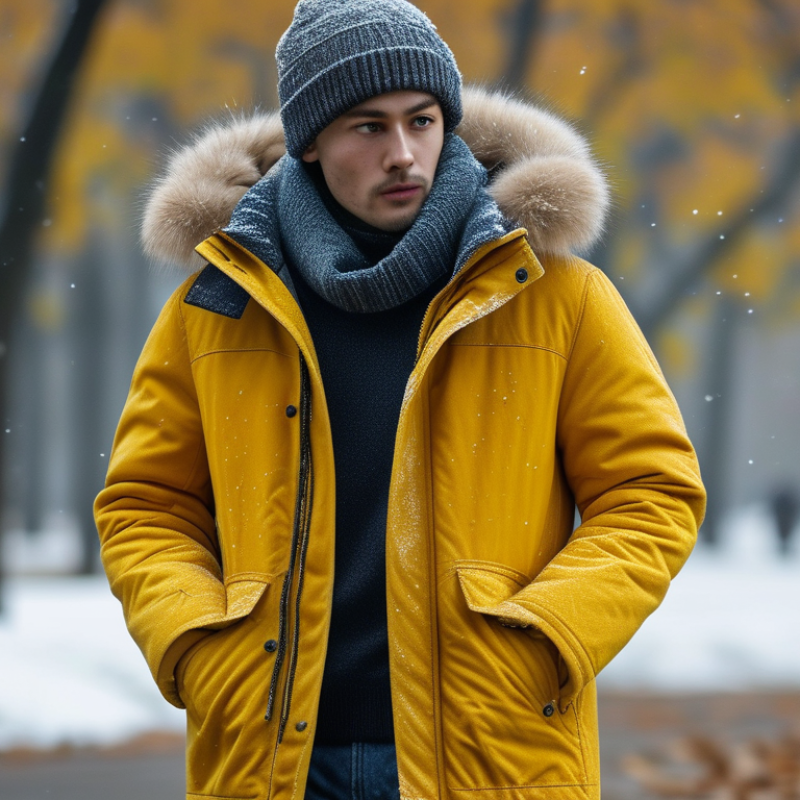
Understanding the Causes of Odor in Synthetic Winter Clothing
Synthetic winter clothing often retains odors due to several factors. One primary cause is the fabric's ability to trap moisture. This moisture can lead to the growth of bacteria and mold, which contribute to unpleasant smells. Additionally, the chemicals used in the manufacturing process may leave residues that emit an odorover time. Even after washing, these lingering scents can persist, making it frustrating for wearers.
To tackle these odors, proper washing techniques are essential. Use a gentle detergent designed for synthetic fabrics. Avoid fabric softeners, as they can leave a film on the clothing. It's often helpful to wash synthetic garments in a cool cycle with similar colors to avoid damage. Ensure items are thoroughly dried, as dampness can increase odor.
Another helpful strategy is to air out your winter clothes regularly. Simply hanging them outside on a dry day can reduce odor build-up. If the smell persists, consider soaking the items in a mixture of vinegar and water before the wash. Combatting odor in synthetic fabrics may take some trial and error, but with perseverance, fresh-smelling winter clothing is achievable.
FAQS
: Common fabrics include polyester, nylon, and polypropylene. Each has unique properties that aid in winter activities.
Polyester is durable and moisture-wicking, making it suitable for outdoor activities. It helps keep you dry.
Nylon is strong and elastic. It dries quickly, but it doesn't insulate as well as polyester does.
Propylene is valued for moisture resistance and quick drying, often found in base layers for temperature regulation.
Odors arise from sweat and bacteria buildup. Synthetic materials tend to retain these smells more than natural fabrics.
Use specialized detergents and wash in cold water. Ensure thorough rinsing to remove any detergent buildup.
Using too much detergent or inappropriate wash cycles can worsen smells and leave residues trapped in the fabric.
Yes, air drying is preferable. It helps prevent residual odors that can develop in damp fabrics.
Regularly checking your washing machine for buildup is crucial. It may help reduce smells in your clothing.
While lightweight, these fabrics can smell after use. It's important to wash them properly to address this issue.
Conclusion
Synthetic winter clothes are popular for their warmth and lightweight properties, but many people wonder why do synthetic winter clothes smell fast and how to wash them. The odor often results from a combination of the materials used, such as polyester or nylon, and factors like moisture, bacterial growth, and improper washing techniques. These fabrics can trap sweat and oils, leading to unpleasant smells.
To effectively combat these odors, it's crucial to adopt proper washing techniques. Using warm water, suitable detergents, and avoiding fabric softeners can help eliminate odor-causing bacteria. Additionally, preventive measures such as ensuring garments are completely dry before storage and using moisture-wicking base layers can significantly reduce the likelihood of unpleasant smells in synthetic winter apparel. By understanding the causes and employing effective solutions, you can maintain the freshness of your winter wardrobe.
