How to Style a Turtleneck Under a Dress in 2026?

Time:2026-10-16 Author:Henry
0%

In 2026, layering a turtleneck under a dress feels practical, polished, and surprisingly versatile. This styling choice adds warmth without hiding the dress’s character. It also creates a clean foundation for changing weather, office dressing, and relaxed weekend outfits.

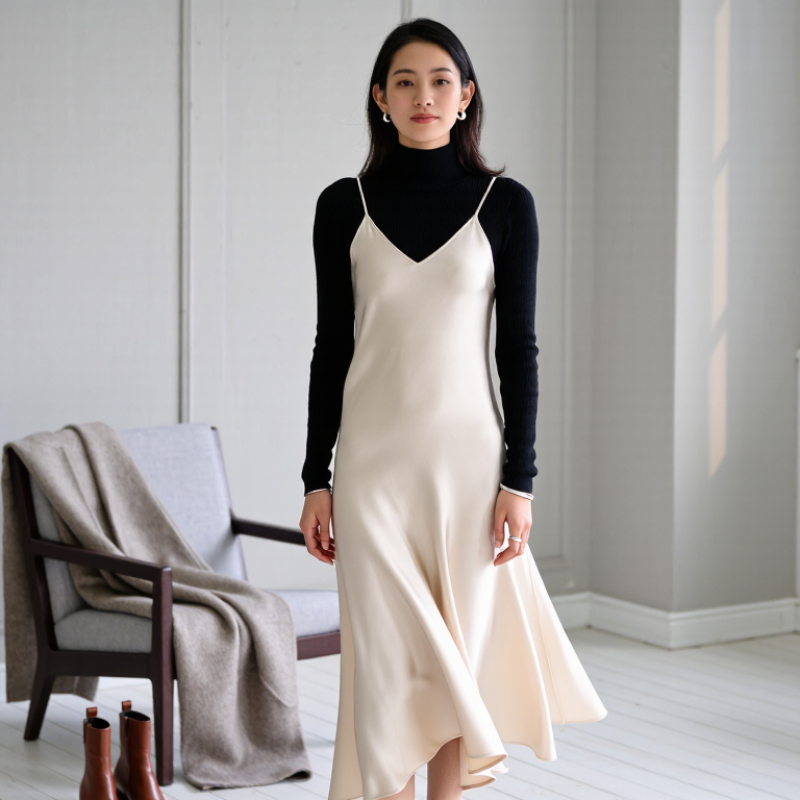
This guide explains how to style a turtleneck sweater under a dress with confidence and control. You will see how neckline shape, fabric weight, sleeve length, and color affect the final silhouette. A fine merino turtleneck suits a silk slip dress, while a cotton knit works better beneath denim or wool. Keep the layers smooth.

Small details matter. A fitted turtleneck reduces bunching around the shoulders. A slightly loose dress allows easier movement and better airflow. Black, cream, charcoal, and chocolate brown offer dependable combinations, but brighter shades can make the outfit feel more personal. Try the layers indoors first. Walk, sit, and raise your arms.

Not every pairing works.

A thick sweater can distort a delicate dress. A high neckline may also compete with ruffles, statement collars, or heavy jewelry. These mistakes are useful, because they reveal where proportion needs adjustment. Reliable styling depends on more than following trends; it requires observing comfort, fabric behavior, and personal confidence. This introduction will help you build balanced combinations, avoid common layering problems, and adapt the look to real wardrobes rather than idealized photographs. Expect practical guidance, honest limitations, and a few flexible formulas that can evolve with your style.
How to Style a Turtleneck Under a Dress in 2026?

Choosing the Right Turtleneck and Dress Combination

How to Style a Turtleneck Under a Dress in 2026?

Choosing the Right Turtleneck and Dress Combination

A successful layered outfit begins with fabric weight. Choose a fine-knit turtleneck under a silky or lightweight dress. Thick wool can create bulky shoulders and uneven waistlines. I usually check the neckline in a mirror before choosing accessories. A close, smooth collar looks polished beneath a square or V-neck dress. High necklines need more care. They can make the upper body appear crowded.

Color also controls the outfit’s visual balance. A tonal combination, such as cream beneath beige, feels soft and refined. For stronger contrast, try a charcoal turtleneck under a pale dress. Keep one piece quiet if the other has a print. Small patterns can become distracting around the face. Black is reliable, but it is not always the best answer. Sometimes a muted green or warm brown looks more thoughtful.

Dress shape matters as much as color. A fitted turtleneck works well beneath a loose slip dress or a sleeveless shift. With a close-fitting dress, choose stretch fabric and minimal seams. Otherwise, the layers may pull across the chest or waist. I still get this wrong occasionally. A beautiful dress can lose its shape under an overly thick knit. Test the outfit while sitting, walking, and lifting your arms. Comfort reveals problems that a mirror misses.

Preparing Layers for Comfort, Balance, and Movement

How to Style a Turtleneck Under a Dress in 2026?

A turtleneck can make a dress feel warmer, sharper, and more useful. The layer should support movement, not compete with the dress. In fittings, I look for a smooth neckline and flexible sleeves first. A lightweight knit usually sits better beneath a fitted bodice. Ribbed textures can work, but they may add unwanted bulk around the shoulders.

Balance depends on proportion. Try a slim turtleneck under a loose, sleeveless dress for gentle contrast. With a close-fitting dress, choose a fine, soft layer that does not pull across the chest. Check the armholes before leaving home. Raise your arms, sit down, and walk several steps. If the dress rides upward, the layers need adjustment. I still sometimes underestimate sleeve friction. It matters more during a long day.

Tips: Choose breathable fabric for indoor heating. Keep the collar flat beneath the dress neckline. Use a thin slip if the layers cling. Match sleeve lengths carefully, especially with cropped dresses. Leave enough room at the waist for comfortable breathing. Small changes help. Movement is the real test.

Styling the Turtleneck Under Different Dress Silhouettes

How to Style a Turtleneck Under a Dress in 2026?

A turtleneck changes a dress’s visual weight, so fabric compatibility matters. Under a slip dress, choose a fine-gauge wool or cotton layer. It should sit smoothly at the shoulders and neckline. The slim base preserves the slip silhouette, while dark neutrals create a clean column. The ThredUp 2025 Resale Report projects the global secondhand apparel market will reach $367 billion by 2029. Versatile layering supports that value mindset. One dress can serve more seasons.

An A-line dress needs a closer turtleneck, especially when the skirt has volume. Keep the knit thin around the waist. Add ankle boots and a narrow belt for structure. With a shirt dress, try a ribbed turtleneck underneath and leave two buttons open. This creates vertical space near the face. A body-skimming knit dress requires caution. Thick layers may bunch under the arms. I still make that mistake when dressing quickly. A half-slip can reduce friction, but test movement before leaving home.

Tips: Match the turtleneck’s texture to the dress. Smooth layers suit satin or polished cotton. Ribbed knits work better with denim, corduroy, and heavier wool. The McKinsey and BoF State of Fashion 2025 report highlights stronger consumer focus on value and wardrobe versatility. Choose pieces that can be worn alone. Check the neckline in daylight. Small wrinkles become obvious in photographs. Keep jewelry minimal when the collar is high. A short pendant usually disappears. That is fine. Confidence does not require decoration.

Coordinating Colors, Textures, and Seasonal Fabrics

How to Style a Turtleneck Under a Dress in 2026?

A turtleneck under a dress works best when the colors feel intentional, not identical. Try ivory beneath chocolate brown, slate blue beneath charcoal, or muted red beneath camel. Keep one shade dominant. The neckline should frame your face, not compete with the dress. For a sharper effect, match the turtleneck with your shoes or bag. Small connections make the outfit look considered.

Texture matters more than people expect. Pair a fine-gauge merino turtleneck with a satin or crepe dress. Use ribbed cotton beneath denim, wool, or corduroy. Avoid thick knits under fitted dresses; they create bulky seams. Textile Exchange’s 2024 Materials Market Report records 124 million tonnes of global fiber production in 2023, projected to reach 160 million tonnes by 2030. Choosing durable natural or recycled fibers can make seasonal layering more responsible, although fiber labels need careful checking.

For winter, try merino, cashmere, or brushed cotton. In spring, lightweight cotton and Tencel-style lyocell feel cleaner under linen or soft tailoring. In autumn, a rust turtleneck beneath a moss-green dress gives depth without shouting. I still get this wrong sometimes. A black layer can flatten delicate colors. Test the outfit in daylight, then sit down and move. Sleeves ride up, fabrics cling, and the mirror rarely shows everything.

How to Style a Turtleneck Under a Dress in 2026? — Coordinating Colors, Textures, and Seasonal Fabrics

Season Dress Fabric Turtleneck Fabric Recommended Color Pairing Texture Contrast Fit and Neckline Guidance Warmth Level Best Styling Detail
Autumn Lightweight wool, ponte, corduroy, or brushed cotton Fine merino wool or lightweight rib knit Warm neutrals such as cream, camel, chocolate brown, rust, and olive Pair a smooth dress with fine ribbing, or combine subtle textures without using two bulky fabrics Choose a close-fitting turtleneck beneath a sleeveless or short-sleeved dress to prevent excess fabric at the armholes ★★★★☆ Add opaque tights and ankle boots for a balanced transitional outfit
Winter Wool blend, velvet, heavy jersey, or structured knit Merino wool, cashmere blend, or medium-weight thermal knit Use tonal combinations such as black with charcoal, ivory with oatmeal, or navy with soft gray Keep one layer visually smooth when the other has a strong texture, such as velvet over a fine-gauge knit A slim turtleneck works best under fitted bodices; a slightly relaxed dress can accommodate a medium-weight knit ★★★★★ Match the tights closely to the dress or boots to create a longer visual line
Spring Cotton poplin, linen blend, lightweight denim, or fluid jersey Cotton-modal, fine viscose, or lightweight merino Try ivory with pale blue, soft gray with lilac, or chocolate brown with blush Contrast crisp woven fabric with a smooth, flexible knit for softness and movement Use a lightweight, fitted layer under square, V-shaped, or scoop necklines; avoid thick collars under delicate fabric ★★★☆☆ Choose loafers, ballet flats, or low-profile sneakers to keep the outfit seasonally light
Early Summer Linen, cotton voile, silk blend, or lightweight slip-dress fabric Fine cotton, silk blend, or breathable micro-rib knit Use a light neutral under a deeper dress, such as ivory beneath forest green or pale gray beneath burgundy Combine airy, slightly textured dress fabric with a very fine-gauge turtleneck Look for a close neckline and minimal seams so the base layer remains smooth under lightweight material ★★☆☆☆ Keep accessories minimal and select breathable fabrics to reduce visible bulk and heat
Autumn to Winter Satin, crepe, or other fluid occasion-dress fabrics Ultra-fine jersey, silk blend, or fine-gauge knit Use a black, espresso, ivory, or matching tonal turtleneck for a refined monochromatic effect Let the smooth dress remain the focal point while the thin knit provides a matte counterpoint Select a seamless or low-bulk turtleneck to reduce bunching beneath fitted dresses ★★★☆☆ Repeat the turtleneck color in shoes, a slim belt, or a small accessory for visual cohesion
Cold Weather Sleeveless knit dress, sweater dress, or heavy jersey dress Fine thermal knit or fitted wool-blend turtleneck Use a dark base layer with a lighter dress, or reverse the contrast for a brighter neckline Layer fine ribbing beneath a chunky dress knit; avoid pairing two thick ribbed garments Choose a slim sleeve and smooth shoulder line so the dress remains comfortable and structured ★★★★★ Finish with a long coat and streamlined boots to maintain proportion
Minimalist Styling Plain cotton, jersey, or matte crepe Fine-gauge knit in a matching or near-matching shade Monochrome shades create a continuous line; small value differences add subtle depth Use nearly identical textures for a clean, understated appearance Keep the turtleneck fitted and ensure the dress has enough room for comfortable movement ★★★☆☆ Use simple jewelry and one structured accessory rather than multiple competing details
Statement Contrast Solid-color wool, denim, cotton twill, or poplin Fine rib knit in a contrasting but coordinated color Try cream with burgundy, cobalt with gray, or mustard with deep brown Keep the dress fabric simple so the color contrast remains the main visual feature Use a fitted turtleneck and a dress with a clear waist or straight silhouette for definition ★★★★☆ Repeat the accent color once in footwear, a bag, or a small accessory

Practical rule: For a polished layered look, choose a turtleneck that is thinner than the dress fabric, keep the shoulder and armhole area smooth, and coordinate either color or texture so the outfit has one clear focal point.

Finishing the Look With Shoes and Minimal Accessories

How to Style a Turtleneck Under a Dress in 2026?

Shoes decide whether this layered outfit feels polished or heavy. Start with the dress length. A midi dress usually benefits from slim ankle boots, pointed flats, or low-profile loafers. These shapes keep the ankle visible and prevent the turtleneck layer from looking bulky. With a short dress, try tall boots in a close color. The continuous line makes the legs appear longer. Keep the shoe finish quiet. Matte leather, soft suede, or simple fabric often supports the neckline better than loud decoration.

The State of Fashion 2025 report by The Business of Fashion and McKinsey found that 80% of fashion executives expected conditions to stay the same or worsen. That makes versatile styling more relevant. Choose shoes that work beyond one outfit. A neutral pair can move from office hours to dinner without competing with the dress.

Minimal accessories should repeat one detail, not every detail. Try small silver hoops, a narrow watch, or one delicate ring. Skip a necklace when the turtleneck is ribbed or high. It can create visual congestion. I sometimes add a thin belt, then remove it after viewing the outfit from the side. The clean version often looks better. Not always. A slightly imperfect balance can feel more personal. One final check helps: walk, sit, and inspect the hem over the shoes before leaving.

FAQS

What fabric works best under a dress?

Choose a fine-knit, breathable turtleneck under a silky or lightweight dress. Thick wool can create bulky shoulders. It may also distort the waistline.

How should the neckline fit?

Look for a close, smooth collar. It sits neatly beneath square or V-neck dresses. High necklines need care. Too many layers can crowd the upper body.

Which colors create a balanced outfit?

Try cream beneath beige for a soft, tonal effect. For contrast, use charcoal under a pale dress. Muted green or warm brown can feel more thoughtful than black.

Can I wear a turtleneck under a fitted dress?

Yes, but choose stretch fabric with minimal seams. Check the chest and waist for pulling. A thin layer usually works better than a thick knit.

What dress shapes pair well with a turtleneck?

A slim turtleneck suits a loose slip dress or sleeveless shift. The contrast creates a clean silhouette. Keep the dress comfortable around the armholes.

How can I prevent bunching and cling?

Keep the collar flat beneath the dress neckline. Match sleeve lengths carefully. A thin slip can reduce cling between the layers.

How should I test the outfit before wearing it?

Raise your arms, sit down, and walk several steps. Watch for riding, pulling, or sleeve friction. A mirror misses movement problems.

What mistakes should I watch for?

I still sometimes underestimate sleeve friction. It becomes noticeable during a long day. Leave room for breathing, even when the outfit looks polished.

Conclusion

Learning how to style a turtleneck sweater under a dress begins with choosing pieces that complement each other in weight, fit, and proportion. A slim, smooth turtleneck usually works best beneath a dress, helping create a clean base without unnecessary bulk. Consider the dress silhouette: fitted styles benefit from a lightweight layer, while loose, slip, shirt, or pinafore dresses can accommodate slightly warmer knits. Make sure the neckline sits flat, the sleeves allow comfortable movement, and the layers do not bunch around the waist or shoulders.

Color and texture can shape the overall mood. Tonal combinations create a polished appearance, while gentle contrast makes the layers more noticeable. Soft knits suit cooler seasons, whereas fine, breathable fabrics are better for transitional weather. Complete the outfit with shoes that balance the dress length, such as boots, loafers, or simple flats, and keep accessories minimal so the layered neckline remains the focus. With thoughtful proportions and comfortable fabrics, this approach creates a versatile look for everyday wear and more refined occasions.

Henry

Henry

Henry is a dedicated marketing professional with a profound expertise in the company's offerings. With years of experience in the industry, he possesses an impressive understanding of the market dynamics and consumer behaviors that drive success. Henry is committed to sharing his insights through......