Top 10 Ways to Layer Clothes for Women in Extreme Cold

Time:2026-11-11 Author:Ethan
0%

Extreme cold changes dressing from a style choice into a practical safety decision. For women, a good system must also accommodate movement, fit, and changing activity levels. This guide explores how to layer women's clothes for extreme winter cold, from the base layer against the skin to the shell facing wind and snow. Small details matter. A damp cuff or tight boot can make a long walk miserable.

The National Weather Service’s wind chill chart shows why preparation matters: at a wind chill of -18°F, frostbite can occur on exposed skin in about 30 minutes. NIOSH cold-stress guidance recommends suitable protective clothing and keeping clothing dry. Cold-weather physiology researcher John Castellani has offered a simple principle: “The key to staying warm in the cold is to stay dry.” Layering supports that goal by managing warmth and moisture, rather than relying on one bulky coat.

The ten approaches ahead cover breathable base layers, insulating mid-layers, wind-resistant shells, and useful accessories. They also address fit: layers should leave room for movement without bunching beneath a jacket. A warm outfit can still fail if it traps sweat or leaves wrists exposed. And there is no perfect formula. Personal comfort, exertion, and local weather all change what works. Use the recommendations as a starting point, check trusted weather alerts, and adjust before you feel chilled.
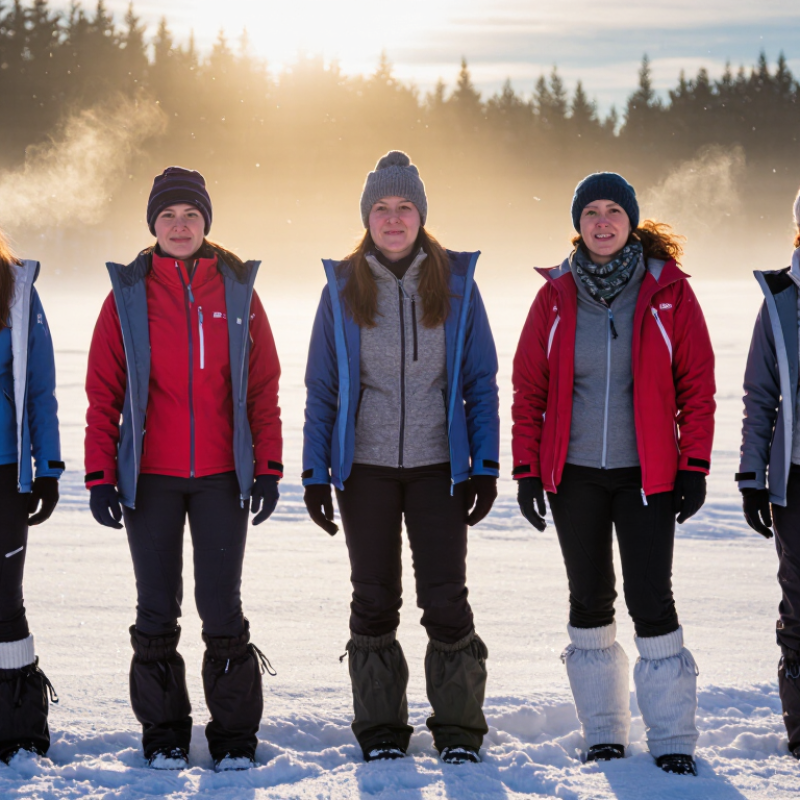
Top 10 Ways to Layer Clothes for Women in Extreme Cold

Assess Temperature, Wind, and Activity Before Choosing Layers

Top 10 Ways to Layer Clothes for Women in Extreme Cold

Assess temperature, wind, and activity before choosing layers. A still, dry morning calls for different clothing than a windy walk through wet snow. The U.S. National Weather Service’s Wind Chill Chart shows that at 0°F with 15 mph winds, exposed skin can feel conditions near -19°F. Wind chill estimates cooling on skin; it is not the actual air temperature. Still, it signals why a thin outer shell can matter.

Start with a close-fitting base layer that moves sweat away from your skin. Add an insulating middle layer, then a wind-resistant, water-resistant shell when conditions call for it. NIOSH’s guidance on cold stress identifies air temperature, wind, dampness, workload, and clothing as factors affecting cold exposure. Activity matters: a brisk uphill walk may make you sweat, while waiting at a bus stop can leave you chilled. I sometimes find the forecast is only a rough guide; shaded, damp streets can feel harsher than expected. Adjust as you go.

Tips: Check wind speed and precipitation, not just the temperature. Vent your shell during exertion, then close it before stopping. Keep spare dry socks in your bag. If fingers lose feeling, take that seriously and get somewhere warm.

Select a Moisture-Wicking Base Layer for Dry, Comfortable Skin

A moisture-wicking base layer moves sweat away from your skin before it chills you. Choose a close-fitting top and leggings made from synthetic fibers or merino wool. The fabric should touch your skin without squeezing your ribs or knees. Leave cotton out of the first layer; once damp, it can stay clammy against your body. Small detail. Check cuffs, too. A loose sleeve can bunch under gloves and expose your wrist.

On a cold walk, start with a dry base layer and add insulation over it. If your back feels damp after climbing stairs, open your coat before you sweat more. NIOSH’s Cold Stress guidance identifies a core body temperature below 95°F (35°C) as a sign of hypothermia. The National Weather Service wind-chill chart estimates frostbite risk in about 30 minutes at a 0°F wind chill. These figures are warnings, not a personal timer; wind, exertion, and wet clothing change the risk. I still find it easy to dress too warmly indoors, then step outside already damp. Pack a dry replacement layer for long outings, and change promptly if your base layer gets wet. A wicking fabric helps, but it cannot compensate for a soaked layer.

Add Midlayers to Trap Warm Air Without Limiting Movement

An effective midlayer holds still air without compressing your base layer. NIOSH’s cold-stress guidance recommends at least three loose-fitting layers and keeping clothing dry. Start with a moisture-moving base, then add fleece or lightweight wool. Leave enough room to bend your elbows and reach overhead. Not too tight. Test your full outfit indoors before heading out, especially with gloves and a backpack. A midlayer that bunches under straps can feel restrictive fast.

Clothing insulation can be measured.

ISO 9920:2007 expresses ensemble insulation in clo; one clo equals 0.155 m²·K/W. That value describes the clothing system, not one magic sweater.

Wind, activity, and fit all affect warmth. For a brisk walk, choose a breathable midlayer and open the collar before sweat builds. For a long, still wait, add a thin insulating layer beneath a wind-resistant shell. More bulk is not always warmer. Too many layers can trap sweat and limit movement. There is no perfect stack for every body or forecast, so check the fit again when your whole outfit is on.

Choose an Insulated Outer Layer That Blocks Wind and Moisture

A warm midlayer cannot compensate for an outer shell that lets wind cut through or snow soak in. Choose an insulated coat with a tightly woven, wind-resistant exterior and a moisture-shedding finish. Check that the hood adjusts around your face, cuffs close over gloves, and the hem covers your hips when you bend. Small gaps matter. A wet sleeve can chill quickly.

The National Weather Service wind chill chart shows how sharply exposure changes: at 20°F with 20 mph winds, the apparent temperature is about 4°F. That is why insulation alone is not enough. NIOSH’s cold-stress guidance also recommends clothing that protects against wind and moisture, while keeping layers dry. For wet snow or freezing rain, look for a shell with sealed seams; for dry, bitter cold, wind resistance may matter more than a bulky waterproof finish. Check care instructions, too, since worn coatings can lose effectiveness. I’d still recheck the forecast before leaving—weather shifts, and a coat that felt fine on a short walk may disappoint on a long wait outdoors.

Protect Exposed Areas and Adjust Layers as Conditions Change

Protecting exposed skin matters as much as choosing a warm coat. Cover ears, cheeks, neck, and wrists; seal gaps between gloves and sleeves. Mittens help retain warmth, while a thin liner can make handling zippers easier. The National Weather Service’s Wind Chill Chart shows why small gaps matter: at -20°F with 15 mph wind, the wind chill is -39°F, and frostbite may occur in about 10 minutes. Treat that estimate as a warning, not a personal timer; wind, dampness, and activity all affect risk.

Layering should change with your pace and surroundings. OSHA recommends three clothing layers: a moisture-wicking inner layer, an insulating middle layer, and a wind- or rain-resistant outer layer. Open vents or remove a layer before sweating during a brisk walk, then add insulation when you stop. Wet clothing loses warmth, so carry dry socks or gloves if conditions are harsh. Check skin and clothing during breaks. Pale, numb patches deserve immediate attention and shelter from the cold. Small adjustments help. I still find it easy to overdress at the door, then sweat on the uphill stretch; that is a useful reminder to reassess, not just pile on more layers.

FAQS

How should I layer clothing for cold weather?

Start with a moisture-wicking base layer, add fleece or lightweight wool, then wear a wind-resistant outer layer. Keep each layer loose enough for movement.

How can I tell if my midlayer fits properly?

Bend your elbows and reach overhead while wearing your full outfit. Check that fabric does not bunch under backpack straps. Not too tight.

Does adding more layers always make me warmer?

No. Extra bulk can restrict movement and trap sweat. For a long wait, add a thin insulating layer beneath your shell.

What should I look for in an insulated coat?

Choose a tightly woven outer fabric that resists wind and sheds moisture. Check the hood, cuffs, and hem for gaps.

Why does wind make cold weather feel harsher?

At 20°F with 20 mph winds, the apparent temperature can be about 4°F. A warm midlayer alone may not block that wind.

Which areas should I cover first?

Cover your ears, cheeks, neck, and wrists. Seal the gap between gloves and sleeves. Small gaps matter.

When should I remove or add a layer?

Open vents or remove a layer before a brisk walk makes you sweat. Add insulation when you stop and cool down.

What signs mean I should get out of the cold?

Pale or numb patches need prompt attention and shelter. Carry dry socks or gloves in harsh conditions. I still sometimes overdress at the door, then regret it uphill.

Conclusion

Staying warm in extreme cold starts with choosing layers for the weather and what you’ll be doing. Consider the temperature, wind, moisture, and your activity level: walking briskly may call for lighter insulation than standing still outdoors. Begin with a moisture-wicking base layer that helps keep sweat away from your skin, since damp fabric can make you feel colder. A comfortable, close-fitting base also makes it easier to add layers without restricting movement.

Next, use one or more midlayers to hold warm air while allowing you to bend and move freely. Finish with an insulated outer layer that helps block wind and keep moisture out. Don’t overlook exposed areas: protect your head, neck, hands, and feet with suitable accessories. As conditions or activity change, add or remove layers to stay comfortable and avoid overheating. Understanding how to layer women's clothes for extreme winter cold is ultimately about balancing warmth, dryness, protection, and mobility.

Ethan

Ethan

Ethan is a seasoned marketing professional with a deep expertise in our company's innovative product line. With a passion for sharing knowledge and insights, he takes the lead in regularly updating our corporate blog, where he explores industry trends, product features, and effective marketing......