China Top 10 Style Tips for Oversized Puffers Without Bulk?

Time:2026-11-25 Author:Ethan
0%

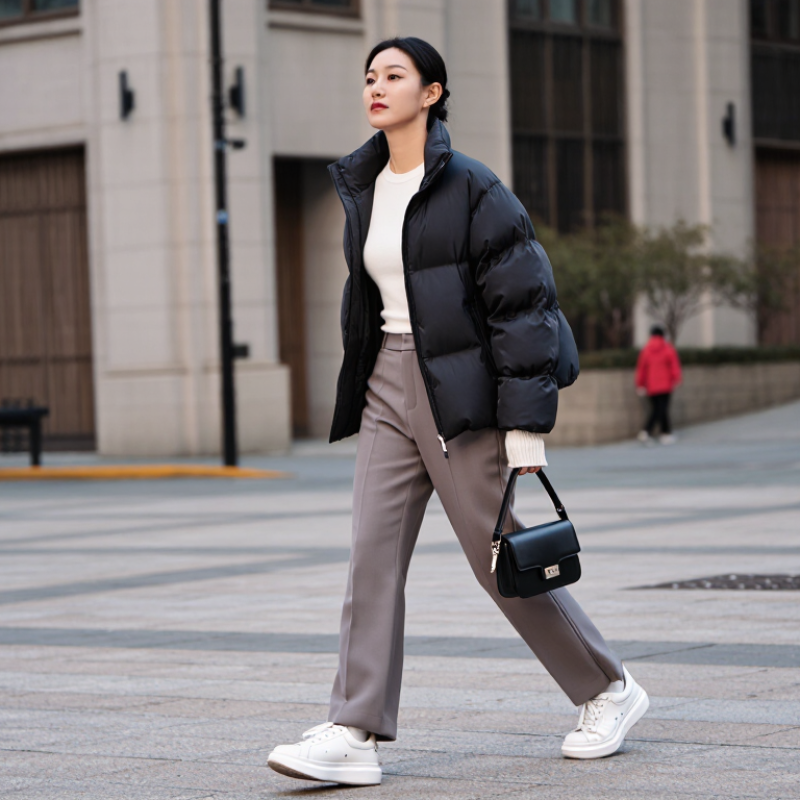
An oversized puffer can feel warm and modern, yet its generous shape may overwhelm an outfit. This guide explores how to style an oversized puffer jacket without looking bulky, with practical ideas for city commutes, weekend walks, and changing winter weather in China. Think of a black puffer with straight-leg trousers, a visible knit cuff, and clean leather sneakers. Small changes matter. The aim is not to hide the coat, but to give its volume a clear counterpart.

Celebrity stylist Allison Bornstein’s emphasis on intentional personal style offers a useful lens. In paraphrase, not as a verbatim quotation: “Choose proportions deliberately, then make the outfit feel like you.” The ten tips ahead translate that idea into wearable choices: balance a roomy jacket with slim or straight bottoms, define the waist only when comfortable, keep layers light, and use a compact bag rather than adding more bulk. A cropped hem, open collar, or glimpse of a fitted sweater can also create shape. Details make the difference.

Fit is personal, and a formula that works over a thin base layer may feel restrictive over a thick sweater. That part is easy to overlook. Check sleeve length, shoulder comfort, and movement before choosing an outfit; warmth should not come at the cost of ease. The advice is practical, not absolute. Use these styling ideas as a starting point, then adjust them for your proportions, climate, and daily routine.
China Top 10 Style Tips for Oversized Puffers Without Bulk?

Understanding Oversized Puffer Proportions and Silhouette

An oversized puffer works best when its volume has a clear shape around it. Check where the shoulder seam sits and how far the hem falls. A jacket ending near the hip often pairs easily with straight-leg trousers, while a longer coat can feel more balanced over slim or gently tapered bottoms. These are guides, not rules. That matters.

Look at the silhouette from the side, not only in a mirror. Thick quilting can push fabric outward at the chest or back, so a slightly dropped shoulder may look much wider than expected. Keep one area visually quiet: try a smooth knit under the coat, or trousers without bulky pockets. If the collar rises high, leave room around the neck rather than adding a thick scarf automatically. Small adjustments help.

Proportion also depends on movement. Sit, reach forward, and walk a few steps; the jacket should not pull sharply across the back or bunch heavily at the waist. I still think some oversized coats look a little awkward from certain angles. That is not always a flaw, but comfort and shape should feel intentional. Check the hem against your shoes, too: a long, rounded puffer can swallow low-profile footwear, while a sturdier sole often gives the outline a clearer base.

Oversized Puffer Proportions: Hem Length and Silhouette

Approximate jacket length from shoulder to hem, expressed as a percentage of the wearer’s height.

For a balanced oversized silhouette, choose a hem that works with your proportions: waist-length styles emphasize the legs, while hip- and mid-thigh lengths create more coverage. Keep the rest of the outfit visually streamlined to offset the jacket’s volume. Values are approximate styling references, not sizing standards.

Choosing Lightweight Layers for Warmth Without Extra Bulk

An oversized puffer already traps a layer of air around the body, so thick sweaters can make it feel heavy. In northern Chinese winters, wind and long outdoor walks call for warmth, but indoor heating can make bulky layers uncomfortable. A thin thermal top, a lightweight knit, and the coat are often enough. Keep the base layer close to the skin. It helps hold warmth without bunching under the sleeves.

Tips: Choose a breathable merino or synthetic base layer, then add a fine fleece or thin wool sweater if needed. Wear a scarf that can be loosened indoors. Slim gloves fit more easily inside the coat’s cuffs. Check your range of motion before leaving: reach forward and zip the puffer. Less can work.

For wet, chilly days, a light shell over the puffer may help block wind, though it can feel too warm on crowded transit. I sometimes misjudge the temperature and wear one layer too many. A useful test is to feel slightly cool before walking; movement quickly adds warmth. Keep the hem clear of thick waist layers, and avoid stacking bulky collars. The fit should feel easy, not tight.

China Top 10 Style Tips for Oversized Puffers Without Bulk? — Choosing Lightweight Layers for Warmth Without Extra Bulk

# Style Tip Lightweight Layering Choice Puffer Fit or Styling Detail Why It Helps
1 Start with a close-fitting base layer Choose a fine-knit thermal top or smooth long-sleeve shirt that sits comfortably against the body. Keep the base layer neat at the neckline and cuffs. A close-fitting first layer creates less friction and bunching under a roomy jacket.
2 Add one thin insulating midlayer Try a lightweight fleece, thin wool sweater, or compact quilted vest, depending on the weather. Leave enough room for movement without sizing up excessively. Layering traps air for insulation; several thick layers can restrict movement and feel bulky.
3 Choose a puffer with balanced proportions Keep inner layers relatively slim, especially around the shoulders and upper arms. Look for a hem and sleeve length that work with your height and intended outfits. Balanced proportions help an oversized silhouette look intentional rather than overwhelming.
4 Use a high-neck base instead of a thick scarf A fine-knit mock neck or lightweight neck warmer can cover the neck with little extra volume. Wear the jacket collar open or partly closed as conditions allow. Reducing stacked fabric around the neck keeps the upper body streamlined while adding coverage.
5 Keep the lower half visually streamlined Pair the jacket with straight-leg trousers, slim jeans, or a simple skirt with warm tights. Balance a voluminous top with a cleaner silhouette below. Visual contrast makes an oversized puffer easier to style without changing its insulation.
6 Use a belt selectively Wear a thin belt over the jacket only if the fabric and cut allow comfortable movement. Position it near the natural waist; avoid cinching so tightly that the fill is compressed. A gentle waist definition can shape the look, while excessive compression may reduce comfort.
7 Keep sleeves and cuffs tidy Choose smooth sleeves underneath rather than bulky cuffs or layered shirt sleeves. Use adjustable cuffs or a clean turn-back if the jacket design permits. Less fabric at the wrists improves comfort and makes the sleeve line look cleaner.
8 Select accessories that add warmth efficiently Consider lightweight gloves, a thin beanie, or a compact scarf instead of multiple heavy accessories. Coordinate accessory colors with the jacket for a cohesive outfit. Covering exposed areas can improve comfort without adding thick layers across the torso.
9 Check the fill and construction, not just thickness Compare garment weight, insulation type, construction, and care information when shopping. Down fill power describes loft relative to weight; it does not by itself determine total warmth. Warmth also depends on fill amount, garment design, fit, wind protection, and conditions.
10 Dress for the day’s conditions Use fewer layers in mild, dry weather and add a thin insulating layer in colder conditions. Consider wind, rain, time outdoors, and indoor heating when choosing what to wear. Layering is adjustable: removing or adding a light layer can be more comfortable than wearing one very bulky outfit.

Balancing Volume with Streamlined Bottoms and Footwear

An oversized puffer already brings plenty of volume, so let the lower half create a clear line. Try straight-leg trousers, slim dark denim, or a narrow knit skirt that ends above the ankle. A small break of skin can make the outfit feel lighter. Not magic, though. If the coat falls below the knee, a very tight bottom may look unbalanced; a relaxed straight leg often works better. Textile Exchange’s Materials Market Report 2024 estimates global fibre production reached 124 million tonnes in 2023, with polyester making up about 57%. That scale of synthetic-fibre use reflects how central technical materials are to modern clothing, but the outfit still depends on proportion, not fabric statistics.

Footwear can anchor the coat’s volume. Choose sleek ankle boots, low-profile leather sneakers, or simple lug soles with a defined shape. Match the shoe’s visual weight to the hem: chunky soles can balance a long puffer, while a lighter shoe suits a cropped one. Keep colours close to your trousers for a longer-looking line, or use one contrasting shoe as a deliberate focal point. Small details matter. A cuff that bunches over the shoe can interrupt the line, and I still get that wrong on rushed mornings. Try the outfit while walking and sitting; hems shift, and the mirror alone misses it. McKinsey’s State of Fashion 2024 report found that 71% of surveyed fashion executives expected shoppers to become more price-conscious, a useful reminder to build combinations from pieces already in regular rotation.

Using Color, Length, and Fit to Shape a Cohesive Outfit

An oversized puffer can look intentional rather than bulky when color, length, and fit work together. Start with a restrained palette: pair a charcoal coat with cream trousers. A muted green jacket also sits easily over denim and a plain knit. Keeping inner layers close in tone reduces visual breaks, while a lighter scarf adds definition. Avoid matching every shade too precisely; the outfit can feel flat. A little contrast helps.

Length alters the silhouette. A hip-length puffer often balances wide-leg trousers when its hem ends near the hip bone. With a longer coat, straight-leg bottoms can keep the outline from feeling crowded. Fit matters more than the size on the tag. Try it seated. Zip the coat over the sweater you actually wear, then check that your shoulders move freely and the cuffs cover your wrists without hiding your hands. A coat that looks neat indoors may feel restrictive outside. That’s an easy detail to miss. Leave room to move, but watch for extra fabric bunching at the waist.

Applying Ten Practical Styling Tips to Everyday Looks

Tip 1: Wear a thin knit or smooth base layer, not a bulky hoodie.

Tip 2: Leave the zip slightly open to create a vertical line.

Tip 3: Use the coat’s drawcord gently; pulling it tight can bunch the fill.

Tip 4: Pair the volume with straight-leg trousers or a narrow skirt.

Tip 5: Show a little wrist or neck with fitted cuffs and a slim scarf.

Small details help.

Tip 6: Try a tonal base, such as charcoal trousers with a grey sweater, to reduce competing blocks of color.

Tip 7: Choose a hem that clears the widest part of your hips, then check how it looks when you sit.

Tip 8: Balance a broad coat with sturdy, simple shoes.

Tip 9: Keep bags compact; a thick strap across the chest can add another bulky line.

Tip 10: Test your full outfit while walking, not just in a mirror.

One look may still feel boxy. Adjust one element at a time.

Textile Exchange’s Materials Market Report 2024 estimates that polyester made up 57% of global fiber production in 2023. That figure describes fiber volume, not warmth: fill, quilting, and construction matter too. Check the care label before washing, and treat these tips as starting points rather than fixed rules.

FAQS

How can I balance an oversized puffer’s volume?

Pair it with straight-leg trousers or a narrow skirt. Keep one area visually quiet.

Where should the jacket hem fall?

A hip-length hem often works with straight trousers. Longer coats can suit slim or gently tapered bottoms. These are guides, not rules.

What should I check when trying on a puffer?

Sit, reach forward, and walk a few steps. The back should not pull sharply, and the waist should not bunch heavily.

Which shoes work with a long puffer?

Sturdy soles can give a long coat a clearer base. Sleek ankle boots work too. Check that the hem does not swallow your shoes.

How can I make the outfit look less bulky?

Try a thin knit, fitted cuffs, or a slim scarf. Leave the zip slightly open for a vertical line.

Should I use the puffer’s drawcord?

Use it gently. Pulling it tight can bunch the filling. I sometimes overdo it.

What colors help create a cleaner outline?

A tonal base, such as charcoal trousers with a grey sweater, reduces competing color blocks. A contrasting shoe can add one clear focal point.

How should I choose a bag?

Keep it compact. A thick strap across the chest can add another bulky line.

Does polyester content tell me how warm a puffer is?

Not by itself. Fill, quilting, and construction matter too. Check the care label before washing.

Conclusion

This guide explains how to style an oversized puffer jacket without looking bulky by focusing on proportion, balance, and thoughtful layering. Start by choosing a puffer whose shoulders and sleeves feel comfortable, then wear lightweight, close-fitting layers underneath to stay warm without adding unnecessary volume. Streamlined trousers or leggings can balance the jacket’s generous shape, while simple, proportionate footwear helps keep the overall silhouette neat.

The ten practical tips also show how color, jacket length, and fit can bring an outfit together. Try a shorter puffer with high-waisted bottoms, or pair a longer style with clean, tapered lines. Keeping the palette coordinated and limiting extra layers creates a cohesive everyday look without sacrificing comfort. Small choices—such as leaving the jacket open when the weather allows or defining the waist subtly—can make an oversized puffer feel polished and easy to wear.

Ethan

Ethan

Ethan is a seasoned marketing professional with a deep expertise in our company's innovative product line. With a passion for sharing knowledge and insights, he takes the lead in regularly updating our corporate blog, where he explores industry trends, product features, and effective marketing......