What Is the Best Winter Jacket for Curvy Body Types?
Choosing what is the best winter jacket for curvy body types requires more than following a size chart. It means examining insulation, shoulder room, sleeve length, hem placement, and movement. Grand View Research estimates that the global plus-size clothing market reached approximately $601.7 billion in 2022. That scale signals clear demand, yet many winter coats still use narrow sleeves and limited hip ease. The problem is real.
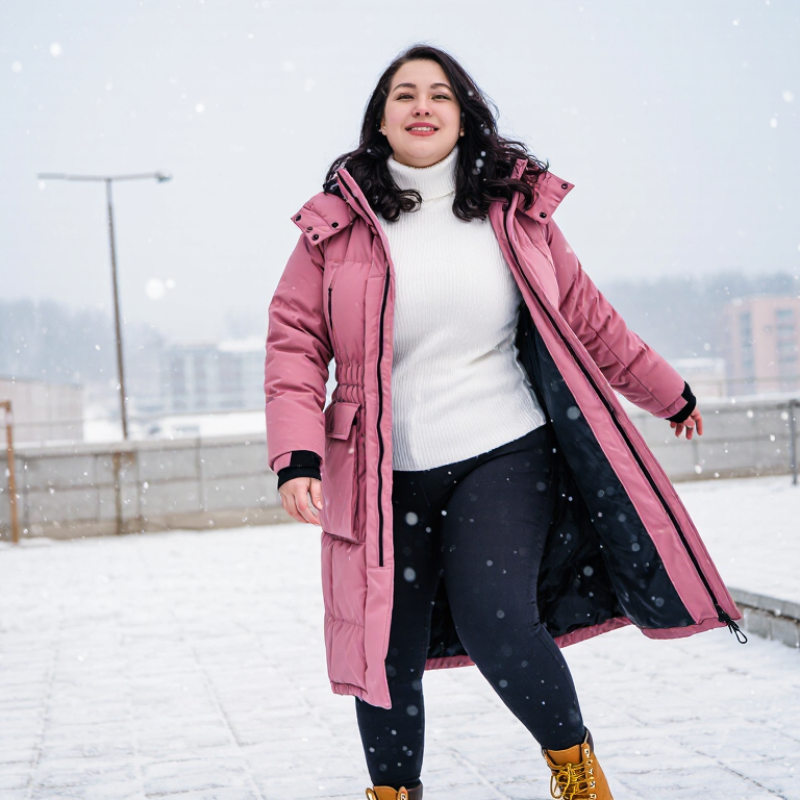
Fashion stylist and author Susan Moses emphasizes, “The goal is not to hide your curves, but to create balance.” Her advice fits winter outerwear well. A shaped puffer with adjustable quilting can define the waist without squeezing it. A longer A-line parka may protect the hips while leaving room for thick sweaters. Two-way zippers help when sitting, climbing stairs, or driving. Small details matter.
McKinsey & Company’s State of Fashion reporting also highlights inclusivity as an important consumer expectation. Still, no report can decide what feels comfortable on one person’s body. That part requires experience. Try the jacket over your heaviest sweater. Raise both arms. Sit down. Check whether the zipper pulls across the bust or hips. A coat that looks elegant on a hanger may feel restrictive outdoors.
This guide compares warmth, construction, proportion, and practical fit. It will not pretend one silhouette suits everyone. Weather varies. Bodies vary more. The best choice should keep cold air out while letting you move naturally. Comfort is not an afterthought. It is the standard.
Map Bust, Waist, and Hip Measurements Using ASTM D5585 Size Tables
What Is the Best Winter Jacket for Curvy Body Types?
A flattering winter jacket starts with measurements, not a printed size. ASTM D5585 size tables help map bust, waist, and hip measurements separately. Measure over a thin shirt, keeping the tape level and relaxed. Record the fullest bust, narrowest waist, and fullest hip. I once pulled the tape too tightly and chose a jacket that looked perfect on paper. It felt restrictive after one sweater. That mistake still matters.
The SizeUSA study, based on 3-D scans of more than 10,000 people, showed substantial variation in women’s body proportions. This supports using three measurements instead of relying on one size label. Compare your numbers with the ASTM D5585 table, then check the jacket’s finished measurements. Add room for a sweater, especially across the upper back and arms. A curved hem can improve hip comfort, while adjustable waist tabs can shape the middle without compressing the bust.
Tips: Measure twice. Use the larger result when between sizes. Check sleeve length while bending your elbow. Also inspect the lining and zipper area; bulky seams can reduce comfort. ASTM tables provide a useful reference, not a perfect prediction. Bodies shift, and sizing systems remain imperfect.
| ASTM D5585 Size | Bust (in) |
Waist (in) |
Hip (in) |
Bust–Hip Difference (in) |
Waist–Hip Difference (in) |
Measurement Priority | Suggested Winter-Jacket Ease | Curvy-Fit Jacket Guidance |
|---|---|---|---|---|---|---|---|---|
| 16W | 43.0 | 36.5 | 45.5 | 2.5 | 9.0 | Hip | 4–6 in | Choose a lightly shaped coat with room through the lower hem; avoid a narrow straight cut. |
| 18W | 45.0 | 38.5 | 47.5 | 2.5 | 9.0 | Hip | 4–6 in | Look for a defined shoulder, adjustable waist, and a hem that does not taper sharply over the hips. |
| 20W | 47.0 | 40.5 | 49.5 | 2.5 | 9.0 | Hip | 4–6 in | A belted or two-way-zip style can provide waist definition while preserving hip mobility. |
| 22W | 49.0 | 42.5 | 51.5 | 2.5 | 9.0 | Hip | 4–6 in | Prioritize hip and seat room first, then use an adjustable waist or back tab to refine the silhouette. |
| 24W | 51.0 | 44.5 | 53.5 | 2.5 | 9.0 | Hip | 4–6 in | Select a longer, gently flared hem and generous arm mobility for sweaters or insulating layers. |
| 26W | 53.0 | 46.5 | 55.5 | 2.5 | 9.0 | Hip | 4–6 in | A princess-seamed or wrap-inspired coat can accommodate the bust and hips without excessive waist volume. |
| 28W | 55.0 | 48.5 | 57.5 | 2.5 | 9.0 | Hip | 4–6 in | Choose a coat with a two-way front closure and adjustable shaping rather than a fixed narrow waist. |
| 30W | 57.0 | 50.5 | 59.5 | 2.5 | 9.0 | Hip | 4–6 in | A-line, fit-and-flare, and softly structured parkas generally provide useful lower-body ease. |
| 32W | 59.0 | 52.5 | 61.5 | 2.5 | 9.0 | Hip | 4–6 in | Check the finished hip measurement and sleeve mobility; insulation and layering need additional space. |
| 34W | 61.0 | 54.5 | 63.5 | 2.5 | 9.0 | Hip | 4–6 in | A softly structured coat with a shaped back and room at the hem can balance warmth and movement. |
| 36W | 63.0 | 56.5 | 65.5 | 2.5 | 9.0 | Hip | 4–6 in | Prioritize a comfortable front closure, broad armholes, and an adjustable waist over a close-cut profile. |
| 38W | 65.0 | 58.5 | 67.5 | 2.5 | 9.0 | Hip | 4–6 in | Look for a longer coat with a subtly flared hem, practical venting, and room for a mid-layer. |
| 40W | 67.0 | 60.5 | 69.5 | 2.5 | 9.0 | Hip | 4–6 in | A relaxed, shaped parka or wrap coat with adjustable closures is usually more adaptable than a rigid straight cut. |
How to use this table: Measure the fullest part of the bust and hip, and the natural waist, while wearing the undergarments and light clothing intended for fitting. The body measurements above are presented in inches from the ASTM D5585 women’s plus-size body-measurement system. The suggested 4–6 inches of additional room is practical winter-jacket ease for layering and movement; always compare these body measurements with the garment’s finished measurements before purchasing.
FAQS
No. Fill power measures loft, not the total amount of insulation. A 550-fill jacket can feel warmer with more down across the chest, hips, and back. Numbers can mislead.
Compare fill power with the insulation weight, often listed in grams per square meter. Winter synthetic jackets commonly use about 60–120 grams per square meter. Synthetic insulation usually stays warmer when damp. Down often feels lighter and packs smaller.
Look for even loft around the bust and waist. Baffles should not look flattened or stretched. Leave room for a base layer and sweater. A tight waist can crush insulation.
CLO measures thermal insulation under controlled conditions. A higher rating generally suggests more warmth. It does not measure wind protection, fit, or comfort. Treat it as evidence, not a promise.
Light insulation may suit a dry commute near 5°C. Colder weather, strong wind, or long outdoor waits require more coverage. Check the hood, cuffs, hem, and waist area. Your routine matters more than one label.
Around 5,000 millimeters may handle light snow and short city trips. Around 10,000 millimeters suits steadier rain and regular commuting. Near 20,000 millimeters helps during prolonged wet snow or outdoor activity. Higher is not always better.
Yes. Higher waterproofing can reduce breathability. A 20,000-millimeter fabric may feel clammy during active travel. For ordinary winter wear, 10,000 millimeters may feel more balanced. I sometimes underestimate this trade-off.
Wear a thick sweater underneath. Raise both arms, reach forward, and sit down. The zipper should not pull across the bust or hips. The hem should stay over your lower back. Movement reveals problems.
Conclusion
Determining what is the best winter jacket for curvy body types begins with accurate fit analysis. Measure the bust, waist, and hips, then compare the results with ASTM D5585 size tables rather than relying only on standard size labels. A suitable jacket should provide enough room across the fullest areas without creating excessive looseness elsewhere. Pay close attention to hem length, shoulder comfort, sleeve movement, and coverage around the hips and abdomen.
Warmth and weather protection should also match the intended conditions. Compare down jackets rated from 550 to 800 fill power with synthetic insulation by considering insulation weight, moisture tolerance, and expected temperatures. ASTM F2732 CLO ratings can help connect warmth levels with winter environments, while waterproof ratings between 5,000 and 20,000 mm, evaluated through ASTM D751 testing methods, indicate increasing resistance to rain and wet snow. Adjustable waists, stretch panels, two-way zippers, articulated sleeves, and carefully placed closures can improve mobility and comfort across curvy body zones.
