As winter approaches, choosing the right coat becomes crucial. One of the key questions is, what is the warmest material for women's winter coats? Understanding this can make a significant difference in comfort and warmth during the colder months.
Several materials dominate the winter coat market. Down feathers are a popular choice due to their excellent insulation properties. Wool is another contender, offering both warmth and breathability. However, synthetic options like polyester and nylon also provide effective insulation while being lightweight and moisture-resistant. It's essential to weigh the pros and cons of each material.
Not all brands maintain high standards, which is vital for reliable warmth. Some coats may look appealing but fail in performance. This aspect can lead to frustration during harsh winters. It's necessary to research and choose wisely. Consider personal needs, activities, and the specific climate you face. Ultimately, the best choice balances warmth, style, and practicality.
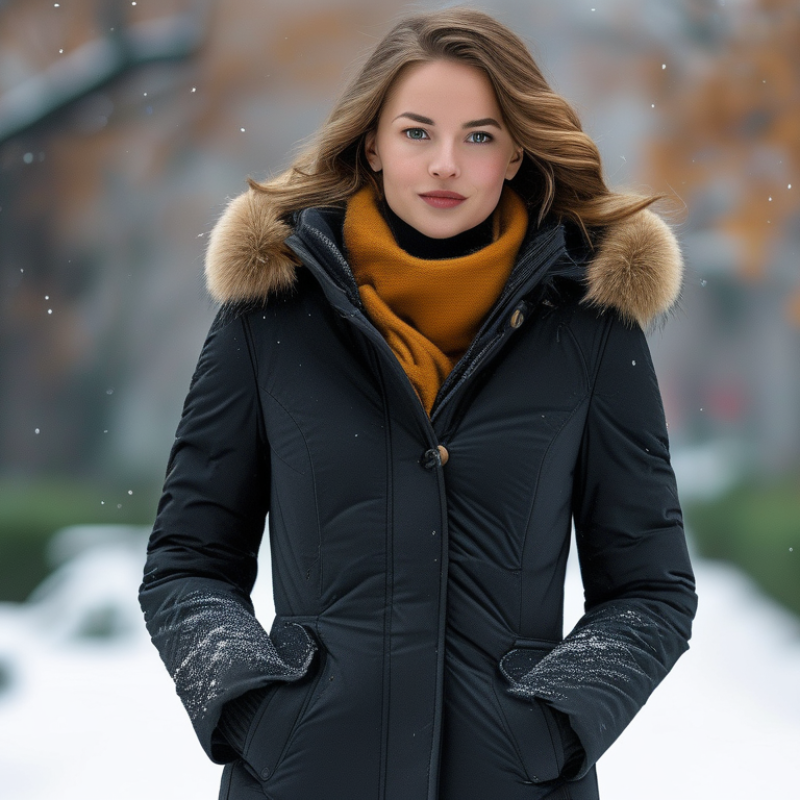
When choosing a winter coat, insulation material is crucial. It determines how warm and cozy you will feel in harsh weather. Several common materials offer varying levels of warmth and comfort. Down is often favored for its lightweight insulation, but it loses its effectiveness when wet. Synthetic fibers are more resilient. They maintain warmth even in damp conditions.
Understanding the differences between insulation types is important. Wool is famed for its natural insulation properties, keeping you warm even when wet. However, it can be heavy. Fleece is lightweight and breathable but may not provide enough warmth for extreme temperatures. Soft shell materials offer wind resistance, which is essential for chilly days.
Reflecting on these options can lead to better choices. Consider your climate and what activities you plan to engage in. Do you need something waterproof? Or are you after extra warmth? Knowing these factors can help you select the perfect coat. Each material has strengths and weaknesses. Your experience with each will guide future purchases.
When considering insulation for winter coats, two primary materials emerge: down and synthetic. Down insulation, composed of the fluffy plumage beneath feathers, is renowned for its warmth. Reports suggest down retains heat exceptionally well, providing a warmth-to-weight ratio superior to synthetic options. However, down loses insulating properties when wet. This limitation can raise concerns in unpredictable winter climates.
Synthetic insulation, on the other hand, has made significant strides. Modern fibers can mimic the warmth of down while offering durability and moisture resistance. According to a study by the Outdoor Industry Association, synthetic insulation retains about 85% of its insulating capabilities even when damp. This resilience is vital for women looking for reliable warmth in variable weather conditions.
Tips: When choosing your coat, consider the climate you live in. For dry, cold winters, down may be the best choice. If you face rain or snow often, synthetic materials offer better reliability. Pay attention to fill power in down jackets; a higher number indicates more warmth without added weight. Finally, test the warmth: different brands may have varying insulation effectiveness, so layering is an option to explore.
When selecting women's winter coats, breathability and heat retention are critical. Choosing the right fabric can make a significant difference in comfort. Look for materials that offer both warmth and airflow, which help regulate body temperature. Insulation is essential, but so is the ability to stay dry. Natural fibers like wool provide warmth while allowing moisture to escape.
Synthetic materials can also offer great features. Fabrics like fleece trap warmth but are lighter, making them travel-friendly. Remember, layering can enhance warmth. Combining different materials can yield an ideal balance. For active lifestyles, materials with moisture-wicking properties are essential.
When shopping, consider your needs. Do you plan to wear the coat for long periods? Then breathable options become a priority. Also, aim for wind-resistant fabrics. This minimizes chill. While shopping, take time to feel the fabric. A quick test on your skin can help. Look for coats that combine multiple fabric technologies. Keep an eye on durability, too; a well-made coat can last through many winters.
When choosing a winter coat, insulation ratings play a critical role in keeping you warm. The materials used in a coat significantly affect its thermal efficiency. Generally, synthetic fibers like polyester or down alternatives offer varying degrees of insulation. Each type of insulation comes with its own rating, influencing warmth and breathability.
Several standards exist to gauge insulation performance, including the Clo value. This metric indicates how well a material retains heat. A higher Clo value means better insulation, so understanding it is essential for making informed choices. However, not all brands transparently share these ratings. This lack of information can complicate the decision-making process.
Real warmth isn’t only about high ratings. Factors like fit and layering also matter greatly. A well-fitting coat traps air close to your body, enhancing warmth. Yet, some consumers might overlook this aspect. A good coat should keep you warm while allowing movement. Finding that balance often requires trying on several styles. Emphasizing insulation ratings alongside personal comfort can lead to a more satisfactory winter experience.
The quest for warm winter coats has led to innovative textile advancements. Emerging technologies focus on sustainable materials that prioritize warmth and environmental impact. Natural fibers, like recycled wool and organic cotton, are gaining traction. They offer insulation without sacrificing breathability. The combination of natural and synthetic fabrics is becoming more common. This blend enhances durability while retaining a light weight.
Research indicates that thermal insulation can be achieved through advanced weaving techniques. These methods create air pockets that trap heat effectively. However, some fabrics may lack long-term sustainability. It’s essential to evaluate the lifespan of these materials. Consumers should be informed about their choices regarding sustainability.
The rise of bio-based and biodegradable textiles is promising. Still, questions remain about production processes. Some eco-friendly options may not provide the necessary warmth in extreme conditions. Identifying the right balance between warmth and sustainability is crucial. Continuous innovation in this space raises excitement. Yet, we must approach new options critically.
| Material | Thermal Insulation (TOG Rating) | Sustainability Rating | Water Resistance | Breathability |
|---|---|---|---|---|
| Down | 4.5 | Moderate | Low | High |
| Synthetic Insulation | 3.5 | High | Moderate | Moderate |
| Wool | 4.0 | Moderate | High | Low |
| Recycled Polyester | 3.0 | Very High | Moderate | High |
| Merino Wool | 4.2 | High | Moderate | Very High |
: The primary types are down insulation and synthetic insulation. Both have unique advantages and disadvantages.
Down insulation is known for its great warmth-to-weight ratio. It retains heat very well but loses effectiveness when wet.
Synthetic materials can mimic down’s warmth and resist moisture. They retain about 85% insulating capability even when damp.
Consider your local climate. For dry winters, down may be best. For wet conditions, synthetic options may be more reliable.
Breathability is critical for comfort. It helps regulate body temperature while keeping you warm and dry.
Look for moisture-wicking and lightweight fabrics that offer warmth and allow for movement, like fleece.
Yes, natural fibers like recycled wool are emerging. They provide warmth and breathability, but evaluate their durability.
Innovative weaving techniques create effective thermal insulation. However, be cautious about their long-term sustainability.
Yes, layering can enhance warmth and flexibility. Combining different materials can yield better comfort and heat retention.
Test the fabric against your skin for comfort. Check for warmth, breathability, and overall durability as well.
When considering what is the warmest material for women's winter coats, insulation plays a crucial role in providing comfort and protection against harsh winter conditions. A comparative analysis of down and synthetic insulation reveals that while down is known for its excellent warmth-to-weight ratio, synthetic materials offer advantages in moisture resistance and easier maintenance.
Additionally, the choice of fabric significantly impacts breathability and heat retention, essential for keeping warmth without overheating. Understanding industry standards, such as insulation ratings, helps consumers make informed decisions about coat performance. Moreover, emerging technologies focus on sustainability without compromising warmth, leading to innovative materials that enhance the overall functionality of winter coats.
