What Color Combinations Work Best for Womens Winter Fashion?
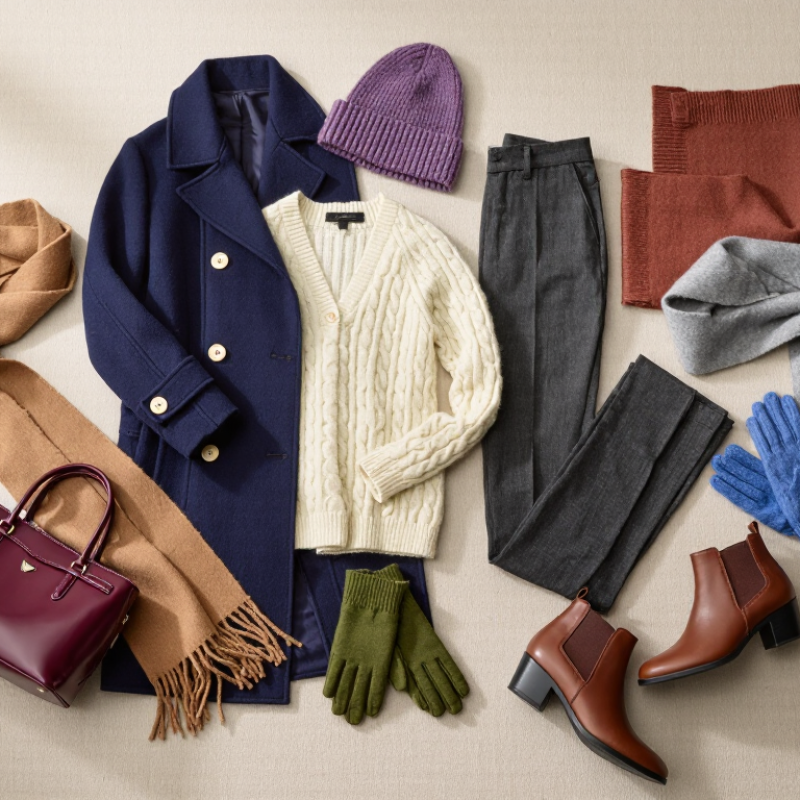
Winter fashion becomes more compelling when color feels intentional, practical, and personal. Many readers ask, “what color combinations work best for women's winter fashion?” The answer depends on skin undertones, lifestyle, fabric texture, and the amount of contrast you enjoy. Deep navy with ivory creates a polished alternative to black and white. Camel with burgundy adds warmth without appearing overly dramatic. Forest green paired with soft gray feels grounded, especially in wool coats and knitted scarves.
Texture changes color perception.
A glossy handbag may make burgundy look brighter, while brushed wool can soften the same shade. From a practical styling perspective, neutral foundations make winter wardrobes easier to repeat. Try charcoal trousers, a cream sweater, and a rust-colored coat for a balanced daytime outfit. For a quieter appearance, combine chocolate brown with dusty blue or muted lavender. Those combinations can look refined under cloudy winter light, which often makes cool shades appear sharper. Still, there is no universal palette. I have found that a color admired on a screen may feel uncomfortable in real life, especially under office lighting. Personal comfort matters more than a seasonal chart. Test colors near your face before buying expensive outerwear. Notice whether your complexion looks clearer or tired. Reliable styling advice should respect fit, climate, fabric quality, and individual preference. This guide explores wearable combinations, useful contrast levels, and small accents that can refresh familiar winter clothing without forcing you into trends that do not feel like you.
Understanding Color Theory for Women’s Winter Fashion
What Color Combinations Work Best for Women’s Winter Fashion?
Winter clothing often uses deep colors, but color theory creates more thoughtful combinations. Start with temperature: cool undertones usually suit icy blue, charcoal, plum, and crisp white. Warm undertones can support camel, rust, olive, and creamy ivory. These guidelines help, but they are not strict rules. Skin tone, hair color, lighting, and personal comfort still matter.
In my winter wardrobe experiments, contrast makes heavy layers look clearer. A charcoal coat with a soft blue scarf feels calm and polished. Burgundy beside forest green looks richer, especially with wool or brushed cotton textures. For a lighter effect, combine chocolate brown with pale pink or oatmeal. Keep one color dominant and use the other as an accent. Too many intense shades can make an outfit feel visually crowded. I have made that mistake.
Tips: Use the 60-30-10 balance: a main color, a supporting shade, and a small accent. Test colors near your face in natural daylight. Store lighting can mislead you. If black feels too severe, try espresso or deep navy. Add cream to soften strong winter tones. Also, repeat one color in small details, such as gloves and a hair accessory. The result may not look perfect immediately, so take a photo and reconsider the balance later.
What Color Combinations Work Best for Womens Winter Fashion? - Understanding Color Theory for Women’s Winter Fashion
| Color Combination | Color Theory Relationship | Visual Effect | Best Winter Clothing Applications | Recommended Contrast | Styling Guidance |
|---|---|---|---|---|---|
| Deep Navy + Icy Blue | Monochromatic-inspired combination using different values of blue | Polished, calm, and visually cohesive | Wool coats, knit sweaters, tailored trousers, scarves, and gloves | Medium contrast | Use deep navy as the dominant color and icy blue near the face to create brightness without a harsh effect. |
| Burgundy + Soft White | Dark warm-cool red balanced with a light neutral | Rich, refined, and seasonally appropriate | Winter dresses, midi skirts, blouses, knitwear, and evening outfits | High contrast | Choose soft white instead of stark white when a gentler appearance is preferred. Burgundy works well as an accent or statement piece. |
| Charcoal + Camel | Neutral pairing with cool and warm temperature contrast | Balanced, sophisticated, and versatile | Long coats, trousers, boots, turtlenecks, and structured handbags | Medium contrast | Keep charcoal close to the body for a streamlined base and add camel through outerwear or accessories for warmth. |
| Forest Green + Cream | Deep analogous-to-neutral combination with organic warmth | Natural, grounded, and elegant | Chunky sweaters, corduroy trousers, wool skirts, coats, and winter accessories | Medium contrast | Cream softens the depth of forest green. Add brown or tan accessories to maintain the earthy color story. |
| Plum + Silver Gray | Cool, muted color paired with a neutral metallic-inspired shade | Modern, delicate, and winter-focused | Party dresses, satin skirts, knit tops, evening coats, and jewelry accents | Medium contrast | Use silver gray in textured fabrics or accessories to reflect light while keeping plum as the visual anchor. |
| Cobalt Blue + Black | Bold saturated color combined with a deep neutral | Strong, crisp, and contemporary | Tailored jackets, trousers, skirts, dresses, boots, and evening separates | High contrast | Limit cobalt to one main garment or focal accessory so the saturated blue remains intentional rather than overwhelming. |
| Cool Pink + Charcoal | Soft tint balanced by a dark neutral | Feminine, fresh, and balanced | Cardigans, scarves, wool trousers, casual coats, and layered knit outfits | Medium contrast | Cool pink adds softness to charcoal. Select muted pink for a refined look and brighter pink for a more energetic effect. |
| Rust + Cream | Warm analogous earth tone paired with a light neutral | Cozy, warm, and approachable | Relaxed sweaters, knit dresses, wide-leg trousers, scarves, and suede-style accessories | Medium contrast | Rust is especially effective in textured winter fabrics. Cream helps prevent the combination from appearing too dark. |
| Olive + Burgundy | Muted green and deep red create a low-saturation complementary impression | Rich, relaxed, and visually layered | Utility jackets, knit skirts, trousers, boots, and casual weekend outfits | Low-to-medium contrast | Use one shade as the base and the other as an accent. Add a neutral such as cream, black, or gray if the palette feels too dense. |
| Bright Red + Black | High-saturation warm color paired with a deep neutral | Dramatic, confident, and eye-catching | Statement coats, knit dresses, party tops, handbags, and winter footwear | High contrast | Keep the silhouette simple and use bright red as a focal point. Black accessories can visually ground the outfit. |
| Soft White + Silver Gray | Light-value neutral palette with subtle cool undertones | Clean, light, and refined | Monochromatic coats, cable-knit sweaters, scarves, trousers, and winter occasion wear | Low contrast | Combine different textures, such as wool, knit, and satin, to add dimension when the colors have similar lightness. |
| Deep Navy + Camel | Deep cool neutral paired with a warm earthy neutral | Classic, professional, and dependable | Workwear suits, tailored coats, trousers, knit tops, and leather-style accessories | Medium contrast | Deep navy provides a dark foundation while camel adds warmth. Introduce soft white for extra brightness if needed. |
FAQS
Charcoal, cream, camel, taupe, brown, stone, navy, and muted olive are useful foundations. They mix easily. Black boots add structure.
Combine different textures, such as ribbed knitwear, brushed wool, corduroy, and quilted fabric. Add one darker piece when beige feels too flat.
Try charcoal trousers, an ivory sweater, and black accessories. The strong light-and-dark contrast makes the shape look clearer.
Pair camel with oatmeal or cream. These low-contrast shades feel warm and gentle. They work especially well with soft wool textures.
Keep about three main neutrals. Repeat one shade twice, such as cream in a scarf and socks. It creates quiet visual connection.
Use one dominant shade, one supporting neutral, and a small accent. A navy coat, gray trousers, and burgundy gloves feel balanced.
Yes. Blue-based reds suit cool gray and icy white. Earthy reds usually pair better with olive, tan, or warm brown.
Indoor lighting can hide yellow or gray undertones. Stand near a window and compare the actual fabrics. Photos can mislead.
Not always. Snow, road dirt, and frequent wear can make pale fabric demanding. A softened cream or stone shade may be more forgiving.
Yes. A matte wool coat beside a satin skirt adds depth without another vivid color. I sometimes overmatch, and the result looks safe but lifeless.
Conclusion
Choosing the right colors can transform women’s winter fashion into outfits that feel polished, warm, and personal. Understanding color theory helps balance cool and warm shades, while neutral foundations such as black, cream, gray, camel, and navy create versatile looks that are easy to layer. To add interest, combine colors through contrast, matching intensity, or subtle tonal variations. For example, a deep winter shade can be softened with a lighter neutral, while closely related colors create an elegant monochromatic effect.
When considering what color combinations work best for women's winter fashion, it is also important to match shades with different skin tones. Warm complexions may glow in earthy reds, olive, caramel, and golden beige, while cool complexions often suit icy blue, berry, charcoal, and jewel tones. Seasonal colors can be applied across coats, sweaters, scarves, bags, boots, and other accessories. By balancing statement colors with dependable neutrals, winter wardrobes become more coordinated, adaptable, and expressive without appearing overwhelming.
