Building a winter capsule wardrobe for 2026 means choosing fewer pieces that work harder. The goal is not owning the smallest closet. It is creating reliable outfits for cold mornings, heated offices, wet pavements, and unexpected travel. Practical experience shows that versatile layers often outperform trend-focused purchases. A warm merino sweater, water-resistant boots, and a structured coat can support many combinations. However, comfort depends on climate, movement, and personal sensitivity to fabrics.
So, what are the essential items for a winter capsule wardrobe? This guide examines the pieces that offer warmth, durability, and everyday flexibility. It considers fabric performance, layering space, weather protection, and easy care. Natural fibers can feel breathable, while technical fabrics may dry faster during busy commutes. Neither option is perfect. Some wool pills, and some synthetic coats trap odors. That matters.
The 2026 Best Winter Capsule Wardrobe Essential Items should also reflect real wardrobes, not idealized photographs. A neutral base makes styling easier, but one expressive color can prevent repetition from feeling dull. Well-fitting trousers, thermal layers, a soft scarf, and dependable gloves add practical value. Each item should earn its place through repeated wear. Check stitching, lining, insulation, and repair options before buying. Seasonal fashion changes quickly. Good judgment lasts longer.
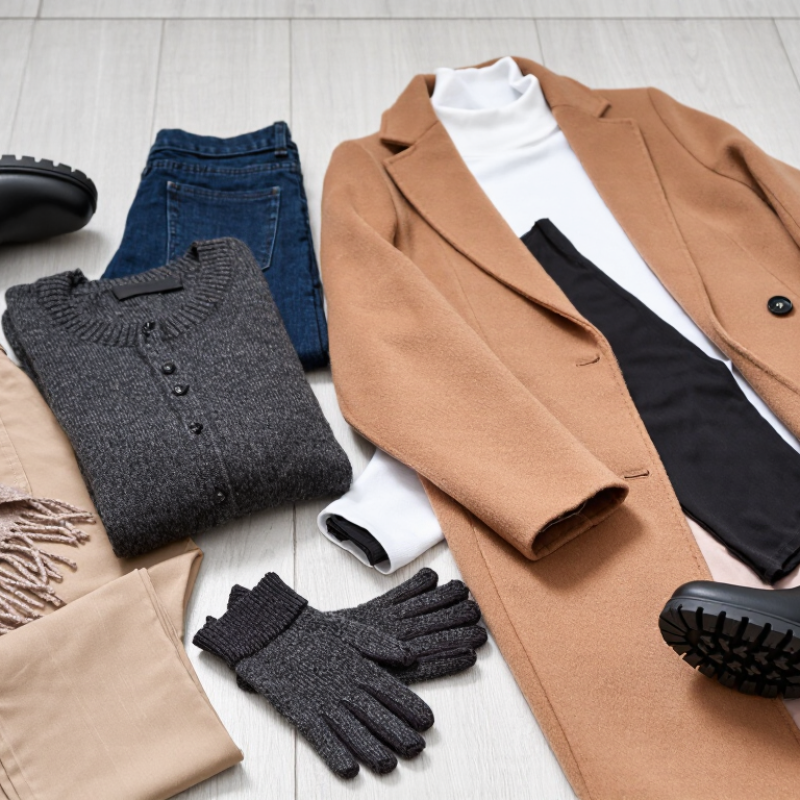
A winter capsule wardrobe in 2026 is less about owning fewer clothes. It is about choosing pieces that work hard across changing temperatures. During wardrobe edits, I look for three qualities: warmth, layering space, and repeated use. A fine thermal top, a breathable knit, and a weather-resistant coat create a practical base. Add straight-leg trousers, a washable skirt, and insulated footwear for useful variation.
Comfort now matters as much as appearance. Winter weather can shift from wet mornings to heated offices within hours. Fabrics should manage moisture without feeling heavy. Wool, tightly woven cotton, and recycled insulation can support that balance when properly maintained. Neutral colors improve outfit matching, but one vivid scarf can prevent the wardrobe from feeling dull. I still make mistakes. Some beautiful sweaters pill quickly, and oversized coats can swallow shorter frames.
Tips: Test every item with two existing outfits. Sit, walk, and raise your arms before buying. Leave room for a thermal layer. Check washing instructions, seam strength, and repair options. A capsule should fit your actual commute, not an imaginary lifestyle. Keep a small lint brush nearby. It saves a surprising amount of frustration.
A practical 2026 winter capsule begins with three dependable layers: a moisture-managing base, an insulating middle, and a protective outer shell. The European Environment Agency reports that Europeans consumed about 19 kilograms of textiles per person in 2022. Fewer, better-used garments can therefore make sense. Choose a close-fitting base layer in merino wool or recycled synthetic fabric. It should dry quickly after a crowded commute. Avoid cotton for prolonged outdoor activity; it holds moisture against the skin.
Add a mid-layer with loft, such as a lightweight fleece, wool sweater, or insulated vest. This layer traps warm air without making movement awkward. A roomy shell should block wind and light rain, while still allowing the lower layers to breathe.
The U.S. National Weather Service emphasizes that wind and wetness accelerate heat loss, so fabric performance matters more than visual thickness. Small details help: a high collar, adjustable cuffs, and pockets that remain usable over every layer.
I still overpack sometimes.
A capsule needs honest testing. Wear the same base layer for a full workday, then assess odor, drying time, and comfort. The WRAP clothing report found that extending a garment’s active life by nine months can reduce its carbon, water, and waste footprints by roughly 20–30%. That supports buying versatile pieces, but the figure is not a promise for every household. Climate, washing habits, and fabric quality change the result. A warm wardrobe should work indoors, outdoors, and during imperfect weather, not only in carefully styled photographs.
Winter weather rarely stays predictable. A cold morning can become wet, windy, and mild by afternoon. A useful capsule wardrobe starts with adaptable outerwear, not a crowded coat rack. I look for three qualities: protection, comfort, and easy layering. A water-resistant shell handles drizzle and melting snow. A lightly insulated jacket adds warmth without trapping too much heat. For deeper cold, a longer insulated coat protects the hips and reduces exposed gaps.
Changing conditions demand small design choices. A high collar blocks drafts around the neck. Adjustable cuffs keep rain from reaching knit sleeves. Two-way zippers help when walking, sitting, or cycling. Inner pockets protect a phone and spare gloves from sudden moisture. Choose fabrics that dry reasonably quickly. Heavy materials can feel reassuring, but they may become tiring during daily travel. I learned this after carrying a beautiful, dense coat through several crowded commutes. It looked practical. It was not.
Layering should remain flexible. Wear a breathable base layer, a warm middle layer, and one protective outer layer. Leave enough room for movement, especially across the shoulders. Test the coat with a sweater before buying it. Check the hood while turning your head. Small gaps become uncomfortable quickly. I prefer neutral colors and simple silhouettes because they work across workdays and weekends. Still, a capsule wardrobe should not pretend every climate is identical. Wet coastal winters need different protection than dry, freezing streets. Review the forecast, your commute, and your actual habits before choosing the final outer layer.
| Essential Item | Primary Function | Recommended Construction | Approx. Weight | Weather Protection | Practical Comfort Range* | Layering Role | Packability | Best Use | Care Considerations |
|---|---|---|---|---|---|---|---|---|---|
| Waterproof Shell Jacket | Protection from rain, wet snow, and wind | Three-layer or two-and-a-half-layer breathable laminate with a fully adjustable hood | 350–600 g | Waterproof; fully taped seams recommended; strong wind resistance | About 5°C to 15°C when layered | Outer shell over a sweater, fleece, or insulated jacket | High | Wet, windy, and changeable winter days | Follow the care label; refresh the durable water-repellent finish when water stops beading |
| Lightweight Down Jacket | Warmth with minimal bulk | 700–800-fill-power responsibly sourced down or an equivalent high-loft insulation | 250–450 g | Limited rain protection; use beneath a shell in wet conditions | About -2°C to 10°C, depending on layering and activity | Mid-layer or lightweight standalone jacket | Very high | Cold, dry commutes and travel | Keep dry when possible; store uncompressed and wash only according to the care label |
| Synthetic Insulated Jacket | Reliable warmth in damp conditions | Lightweight synthetic fill with a tightly woven wind-resistant shell | 400–700 g | Moderate water resistance; retains more warmth than down when damp | About -5°C to 8°C, depending on insulation weight and layering | Mid-layer or standalone outer layer | High | Humid, snowy, or active winter conditions | Machine washability varies; dry completely to prevent odor and loss of loft |
| Insulated Parka | Maximum coverage and warmth | Hip-length cut, insulated hood, draft flap, adjustable cuffs, and high-loft insulation | 900–1,500 g | High wind protection; water-resistant or waterproof outer fabric is preferred | About -10°C to 5°C, depending on fill, fit, and activity | Complete outer layer over everyday clothing | Low | Stationary outdoor time and cold urban winters | Air regularly; clean according to the insulation type and repair small shell tears promptly |
| Wool or Wool-Blend Overcoat | Polished warmth for city wear | Dense woven wool or a wool blend with a smooth lining and room for layering | 900–1,400 g | Good wind resistance; limited protection against prolonged rain | About 0°C to 12°C with suitable layers | Top layer over knitwear, tailoring, or a thin insulated jacket | Low | Workwear, formal outfits, and dry urban weather | Brush after use; air out between wears and use professional cleaning when required |
| Quilted Liner Jacket | Flexible extra insulation | Light synthetic or recycled-fiber fill with low-profile quilting | 300–550 g | Usually wind resistant with light water resistance | About 3°C to 13°C as a standalone layer; lower when combined with a shell | Under-layer for a coat or lightweight outer layer | High | Variable temperatures and transitional winter days | Wash gently; avoid high heat that may damage the shell or insulation |
| Fleece Jacket | Breathable insulation during movement | Medium-weight polyester fleece with a close-fitting collar and smooth outer face | 300–500 g | Breathable but not waterproof; limited wind resistance without a shell | About 5°C to 15°C as an outer layer; warmer beneath a shell | Breathable mid-layer | High | Walking, travel, and active layering systems | Wash with similar fabrics; avoid fabric softener to preserve moisture management |
| Water-Resistant Trench or Mac Coat | Light rain protection with a refined silhouette | Coated cotton, recycled polyester, or a technical blend with a storm flap | 600–1,000 g | Light to moderate rain protection; moderate wind resistance | About 7°C to 16°C with knitwear or a thin insulated layer | Outer layer over office and casual outfits | Medium | Mild, wet winter weather and commuting | Close fasteners before washing; reproof the fabric when recommended by the manufacturer |
| Packable Rain Shell | Emergency protection for unpredictable showers | Lightweight waterproof fabric with taped seams and a compact stuff pocket | 180–350 g | Waterproof and windproof; insulation not included | About 8°C to 18°C when worn over warm layers | Protective outer shell | Very high | Travel, commuting, and fluctuating forecasts | Do not store wet; wash periodically to maintain breathability and water repellency |
| Weatherproof Long Coat | Balanced coverage for rain, wind, and daily wear | Longer waterproof shell with a removable insulated liner or generous layering space | 900–1,600 g | High weather protection; coverage usually extends below the hips | About -2°C to 12°C, depending on liner and base layers | Versatile outer layer for changing conditions | Medium | Daily winter commuting and travel | Separate removable components for cleaning when possible; check seam tape after heavy use |
*The comfort ranges are practical estimates rather than laboratory ratings. Actual comfort depends on wind, humidity, activity level, personal tolerance, garment fit, and the warmth of the layers worn underneath.
Winter footwear should protect movement, not merely complete an outfit. The World Footwear Yearbook 2024 reported about 22.4 billion pairs produced globally in 2023. That scale makes careful selection more important, especially when durability and waste matter. For daily wear, choose waterproof leather or treated textile uppers, sealed seams, and soles with visible traction. A moderate heel and firm heel counter can improve stability on wet pavements. Test boots with your thickest socks. Otherwise, the fit may fail in January.
The Outdoor Industry Association’s 2024 Outdoor Participation Trends Report recorded 175.8 million U.S. participants in outdoor recreation during 2023. Winter accessories must therefore work beyond formal settings. Merino or thermal-blend socks help manage moisture, while insulated gloves with textured palms support commuting and quick phone checks. A close-fitting beanie reduces heat loss without blocking peripheral vision. Add a long scarf, but secure loose ends near bicycles, escalators, and vehicle doors.
I still overpack accessories sometimes. It feels practical, but it creates clutter. A better capsule uses two sock weights, one waterproof boot, one lighter walking shoe, and neutral gloves. Check the tread every few weeks. Replace worn laces early. These small habits are less glamorous, yet they often decide whether winter footwear remains genuinely useful. Statistical reports describe broad behavior; your climate, commute, and foot shape still require personal judgment.
A winter capsule wardrobe works best when every piece earns repeated wear. Start with a practical color base: charcoal, cream, navy, or deep brown. Add one muted accent, such as rust or forest green. Choose three tops, two knit sweaters, one insulated coat, one tailored layer, two trousers, and one versatile skirt or dress. Include thermal underwear if temperatures drop sharply. Fabric matters more than decoration. Wool blends retain warmth, cotton layers breathe indoors, and durable boots protect against wet pavements. I have learned to check sleeve length while wearing a sweater. Otherwise, the coat may feel tight by January.
Build outfits around layers, not isolated items. Wear a thin thermal top beneath a shirt, then add a sweater and coat. Tuck a fine knit into high-waisted trousers for a clean silhouette. Let a longer shirt show slightly beneath a cropped sweater. For commuting, use a scarf, lined gloves, and socks that do not slide. A skirt becomes winter-ready with opaque tights, boots, and a structured cardigan. Keep proportions balanced: a roomy coat needs slimmer bottoms, while wide trousers suit a shorter jacket. This is practical, not a strict rule. Not always.
Before buying, record seven outfits using clothes you already own. Photograph them in daylight. Look for repeated gaps, like missing warm layers or shoes that match everything. Wash and store knits according to their care labels, and repair loose buttons early. My capsule still includes one beautiful sweater I rarely wear. It feels special, but it fails my daily routine. A smaller wardrobe is not automatically better. Comfort, weather, and honest habits should decide what stays.
It contains versatile pieces for changing temperatures, not merely fewer garments. Warmth, layering space, and repeated use matter most. It should fit real daily routines.
Use a moisture-managing base layer, an insulating middle layer, and a protective outer shell. A thermal top, wool sweater, and wind-resistant coat work well together. Keep enough room for movement.
Merino wool, recycled synthetic fabric, fleece, and tightly woven cotton can support warmth and comfort. Avoid cotton during prolonged outdoor activity because it holds moisture. Fabric choice still depends on care and climate.
Select a coat that blocks wind and light rain without crushing the lower layers. Check the collar, cuffs, pockets, and sleeve length. Oversized coats can overwhelm shorter frames.
Build outfits with removable layers for wet streets and heated offices. A breathable base layer prevents unnecessary bulk. A lightweight vest can add warmth without restricting movement.
Try each item with two existing outfits. Sit, walk, and raise your arms while wearing it. Check washing instructions, seam strength, and repair options. Pictures can mislead.
Straight-leg trousers, a washable skirt, insulated footwear, and one vivid scarf create practical variation. Neutral colors make matching easier. The scarf keeps the wardrobe from looking lifeless.
Wear a base layer through a full workday before buying another one. Assess odor, drying time, and comfort afterward. Extending clothing use can reduce resource impacts, but results vary by household.
Keep a lint brush nearby for sweaters and coats. Follow washing instructions carefully. Repair loose seams early. Some attractive sweaters pill quickly, and I still misjudge them sometimes.
A 2026 winter capsule wardrobe focuses on fewer, smarter pieces that provide warmth, comfort, and easy coordination throughout the season. The foundation should include breathable base layers, insulating knitwear, versatile trousers, and comfortable everyday tops in a cohesive color palette. When asking, “what are the essential items for a winter capsule wardrobe,” consider how each piece can be layered, mixed, and adapted for work, travel, casual days, and changing temperatures.
Reliable outerwear is equally important, including a warm coat, a lighter weather-resistant jacket, and practical layering options for unpredictable conditions. Winter footwear should offer insulation, traction, and everyday comfort, while accessories such as scarves, gloves, hats, and warm socks add protection without creating unnecessary bulk. By choosing durable, versatile essentials and styling them in different combinations, you can create a complete winter wardrobe that feels polished, practical, and easy to maintain.
